

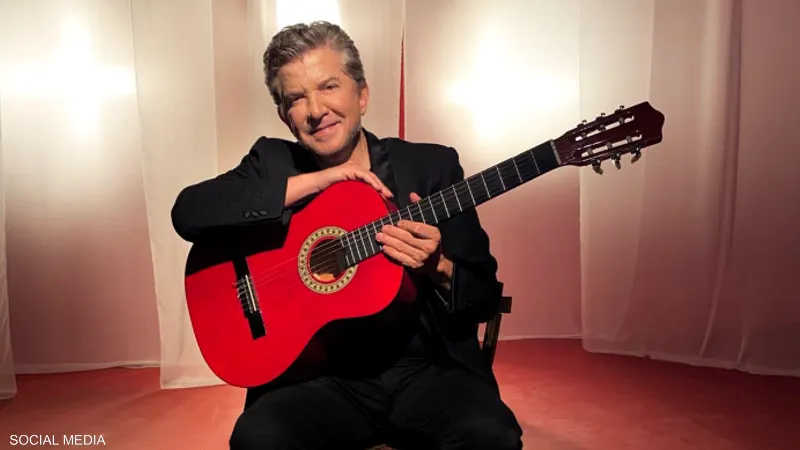
Few artists in the Arab world have enjoyed the enduring popularity and artistic consistency of Walid Toufic. As the Lebanese music icon celebrates the Golden Jubilee of his career, he reflects on artistic longevity, the enduring power of Arab musical heritage, artificial intelligence, and why sincerity—not algorithms—remains the true measure of lasting success.
Over a career spanning five decades, the Lebanese singer, composer and musician has built a remarkable legacy rooted not in fleeting trends but in timeless melodies, thoughtful song selection and an unwavering commitment to authenticity. His songs—distinguished by emotional honesty, lyrical elegance and memorable compositions—have become part of the soundtrack of generations across the Arab world.
Now, as he marks the Golden Jubilee of his artistic journey, Toufic remains firmly convinced that genuine music always outlives passing fashions. While the industry continues to evolve through digital platforms, artificial intelligence and rapidly changing audience habits, he believes that sincerity, craftsmanship and respect for musical heritage remain the foundations of lasting success.
In this exclusive interview with Daily News Egypt, Toufic reflects on revisiting Arabic classics, preserving musical heritage, embracing technology without sacrificing artistic values, his enduring bond with Egyptian audiences, and the legacy he hopes to leave for future generations.
Congratulations on reaching this remarkable milestone. What does your Golden Jubilee represent to you personally?
More than anything, it represents gratitude. I owe this journey to audiences across the Arab world who have supported me with unwavering loyalty and affection for the past fifty years. Looking back, I do not measure success by the number of songs I have recorded or concerts I have performed. My greatest achievement is knowing that my music continues to live in people’s memories. That, to me, is the truest definition of success—and it also carries the responsibility of remaining faithful to quality with every new project.
You recently revisited the Iraqi classic Shakthar Mushtaq. What drew you to that song?
Its emotional honesty. From the moment I first heard it, I felt it expressed something universal. It is not simply a song about romantic longing; it speaks to a deeper sense of nostalgia that resonates with everyone. My aim was to reinterpret it while preserving its original spirit. I was delighted by the audience’s response and deeply appreciated the encouragement I received from those associated with the original work.
You have successfully performed in several Arabic dialects. What has made that approach successful?
I have always believed that Arab artists speak to one cultural audience, yet every dialect deserves to be treated with respect. Whether I sing in Egyptian, Iraqi or another dialect, I devote great attention to pronunciation and linguistic authenticity. Respecting a dialect is ultimately another way of respecting its people and their cultural heritage.
Would you ever record a song simply because it is expected to become a commercial hit?
No. Commercial success has never been my starting point. Emotion always comes first. Some songs become instant hits but quickly disappear. Truly sincere songs endure because audiences instinctively recognise authenticity. I cannot perform music that I do not genuinely believe in.
Many classic Arabic songs are finding new audiences today. How do you view this revival?
I welcome it, provided it is approached with genuine respect. Heritage should never be treated merely as nostalgia; it is a living artistic legacy that deserves thoughtful reinterpretation. We can introduce timeless music to younger generations while preserving its original artistic value. Beautiful songs never lose their relevance.
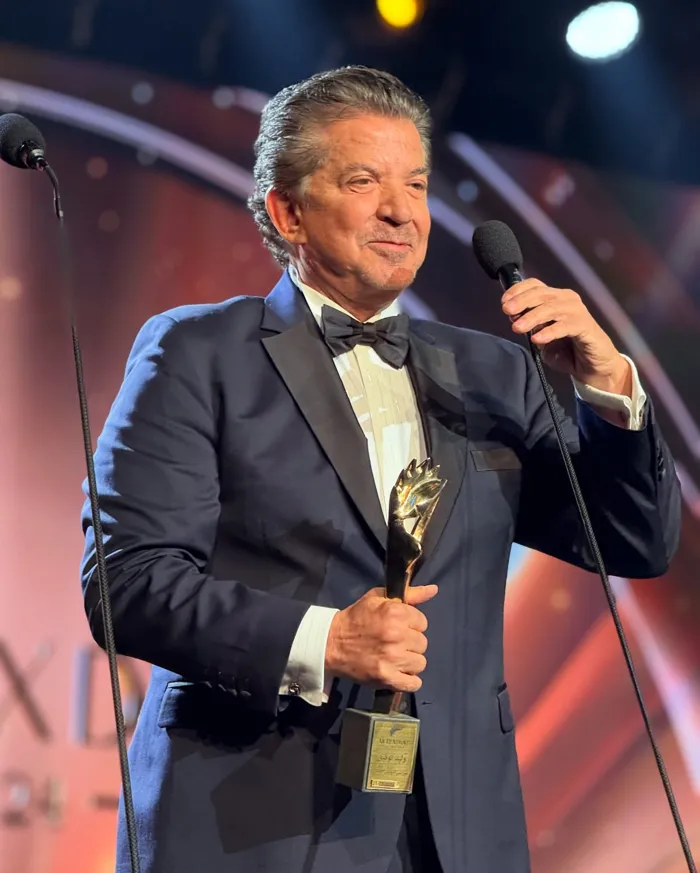
You previously revived classics such as Balash Tebousni. Was that intimidating?
Very much so. Revisiting works associated with legendary figures such as Mohamed Abdel Wahab is a tremendous responsibility. My objective was never to imitate the original, but to present a contemporary interpretation while safeguarding its artistic integrity. I believe audiences appreciated that balance.
How did your early years as a musician and composer shape your career as a singer?
Learning music and mastering the oud transformed the way I understand songs. Composing broadened my artistic perspective because I approach every piece from both a performer’s and a composer’s point of view. That has helped me make better artistic choices throughout my career.
You worked with some of Arabic music’s greatest composers. What did those experiences teach you?
They were invaluable. Working alongside Mohamed Abdel Wahab, Mohamed El-Mougy, Sayed Mekkawy, Melhem Barakat and many other great composers taught me that outstanding music is never accidental. It is the result of discipline, patience and profound respect for lyrics, melody and craftsmanship.
What was the most important lesson you learned from Abdel Halim Hafez?
The importance of choosing the right song. Simplicity is often misunderstood, but achieving it requires tremendous sophistication. Abdel Halim’s songs touched people because they were emotionally honest and beautifully crafted. That is why they continue to endure.
Does composing still play an important role in your artistic life?
Absolutely. I continue to compose regularly and still have many unreleased melodies waiting for the right moment. I have never believed in rushing music. Every composition deserves its own time.
How do you assess the current state of Arabic music?
There is certainly no shortage of talent. What is sometimes missing is the creative harmony that once united lyricists, composers, arrangers and performers. Today’s fast-paced production cycle often leaves little room for artistic refinement, whereas memorable songs require patience.
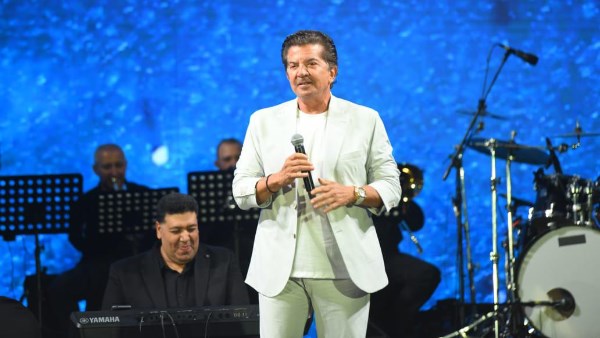
What can audiences look forward to next?
I have completed recording a new mini-album featuring a variety of musical styles, and I am preparing to release a summer single with a fresh musical direction. I also enjoy collaborating with younger creatives because talent is never determined by age.
Do you actively support emerging artists?
Without hesitation. I never judge artists by their age or reputation. I care about creativity, originality and artistic vision. Whenever I encounter genuine talent, I am always open to collaboration.
You recently dedicated a song to your wife, Georgina Rizk. What inspired that tribute?
Family is the strongest source of support in an artist’s life. The song was simply my way of expressing gratitude and affection through music. I believe sincere personal emotions often inspire the most meaningful artistic expressions.
Although you enjoyed success in cinema, why did acting take a back seat?
Because music has always been my true calling. Acting is something I genuinely enjoy, but it should complement—not replace—my musical journey. If I come across an exceptional project, I would gladly return to the screen.
Is there still a dream project you hope to realise?
Yes. I would love to produce a musical television series about one of the Arab world’s great composers, such as Farid Al Atrash or Mohamed Fawzy. Their extraordinary lives deserve to be introduced to new generations through productions worthy of their remarkable legacy.
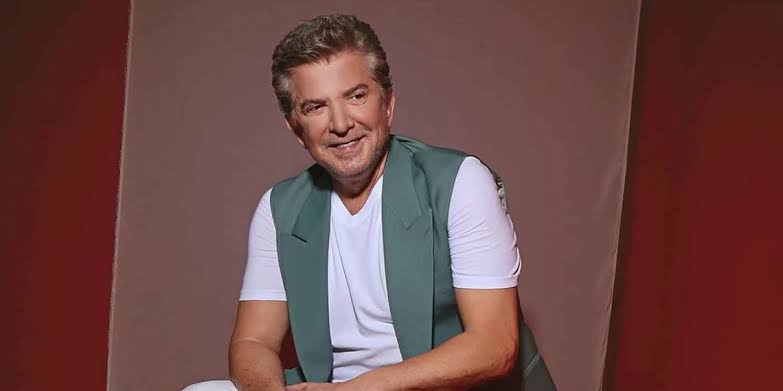
How do you see your connection with Egyptian audiences?
Egypt has always held a special place in my heart. Egyptian audiences welcomed me with exceptional warmth from the very beginning of my career, and every performance there feels like coming home. Performing at the Cairo Opera House or taking part in the Arab Music Festival remains a privilege for any artist.
How have you maintained your ability to perform over five decades?
Through discipline, a healthy lifestyle, continuous vocal training, and respect for both my audience and the stage. Every performance deserves complete dedication.
Has social media changed the music industry for better or worse?
It has undoubtedly transformed the way artists communicate with audiences, but it should never become the sole measure of artistic value. Digital popularity can be temporary. Great songs survive because they continue to resonate emotionally long after online trends have faded.
What role do you believe artificial intelligence will play in music?
Technology can certainly assist artists and enrich music production. However, no machine can create genuine human emotion. Artificial intelligence may replicate sound, but it cannot replace sincerity—and sincerity remains the essence of every memorable song.
Which contemporary artists do you admire?
I admire artists who continue to evolve while remaining true to their artistic identity. Innovation is important, but it should never come at the expense of authenticity.
After fifty remarkable years, what legacy would you most like to leave behind?
I hope people remember me as an artist who respected his audience and never compromised his artistic principles. Fame comes and goes, but honest music endures. As long as I am able to create songs that genuinely touch people’s hearts, I will continue making music, because art is ultimately an expression of love—and authenticity will always remain my guiding compass.


