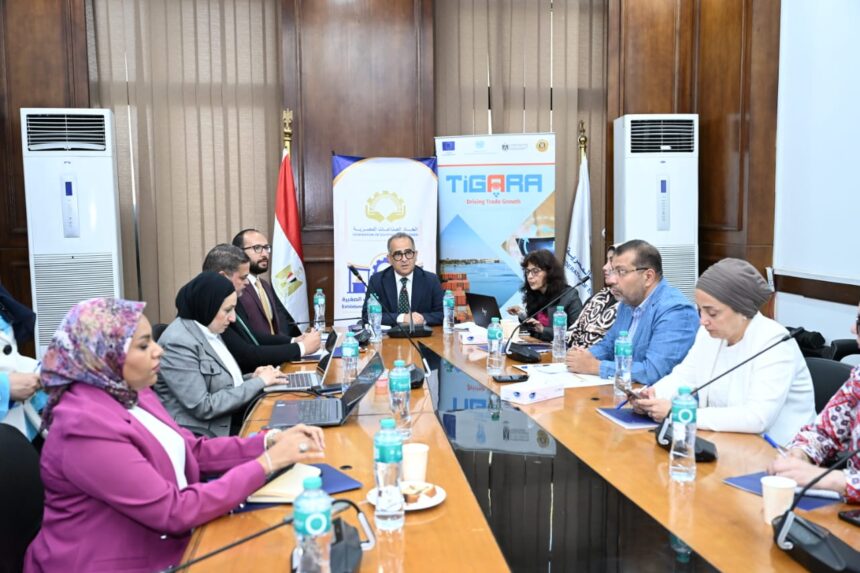
Arab African Advisers has completed the Clusters Regulatory Framework Support project in Egypt, a key pillar of the EU-funded EuroMed Clusters Forward programme.
The initiative, implemented by ANIMA Investment Network in partnership with Berytech, spans seven Southern Mediterranean countries–Egypt, Palestine, Jordan, Lebanon, Tunisia, Morocco, and Algeria–and is backed by €7m in EU funding. Its overarching goal is to foster innovation, competitiveness, sustainable growth, and job creation by strengthening economic clusters across the region.
Over a 12-month period beginning in June 2025, Arab African Advisers focused on three main pillars:
- Establishing an institutional framework to lead Egypt’s cluster development agenda.
- Reviewing regulatory frameworks and proposing incentives to encourage collaboration among cluster members.
- Raising awareness of the role of clusters in driving competitiveness and economic growth.
The project included a comprehensive assessment of Egypt’s cluster ecosystem, benchmarking against international best practices, and consultations with government agencies, private sector representatives, and development partners.
Findings revealed that Egypt has a strong foundation for cluster-based development. A 2024 UNIDO survey identified 163 clusters nationwide, ranging from naturally developed clusters rooted in traditional industries and local resources, to government-supported clusters in industrial and investment zones. Notable examples include the Damietta Furniture Cluster, Robbiki Leather City, and the Shaq El-Thoaban Marble Cluster—all of which have contributed to exports and job creation. However, the study emphasized the need for stronger governance structures and collective incentives to ensure long-term competitiveness and sustainability.
Challenges identified include the absence of a unified institutional body for cluster development, lack of a clear legal definition of clusters in business legislation, limited specialized cluster management organizations, weak linkages with universities and research centers, and the need for a national monitoring system to evaluate cluster performance.
Drawing on international experiences, the project reviewed successful cluster models from Germany, Singapore, and India, offering insights into how Egypt can strengthen its ecosystem and unlock the full potential of its economic clusters.