Minister of Planning and Economic Development Ahmed Rostom said the government is developing forward-looking scenarios to curb inflation through close coordination between fiscal and monetary policies, while promoting local manufacturing and import substitution.
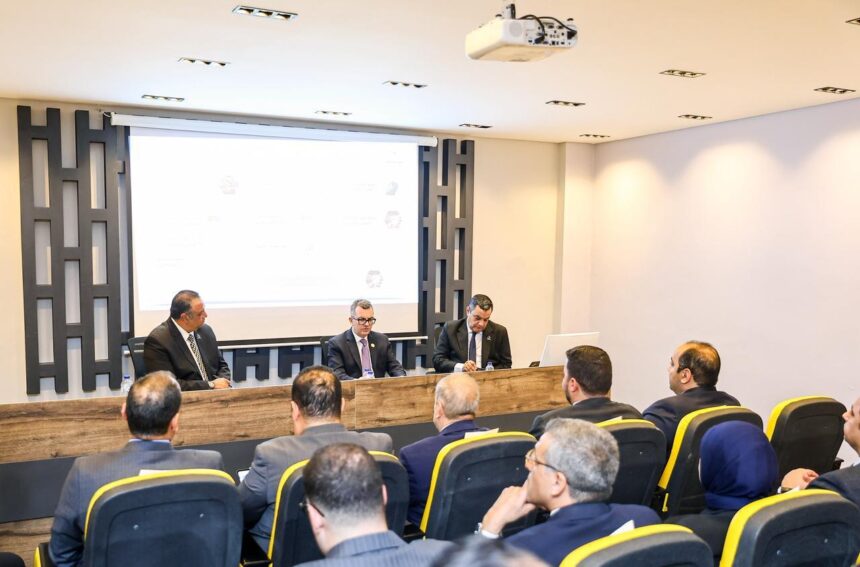
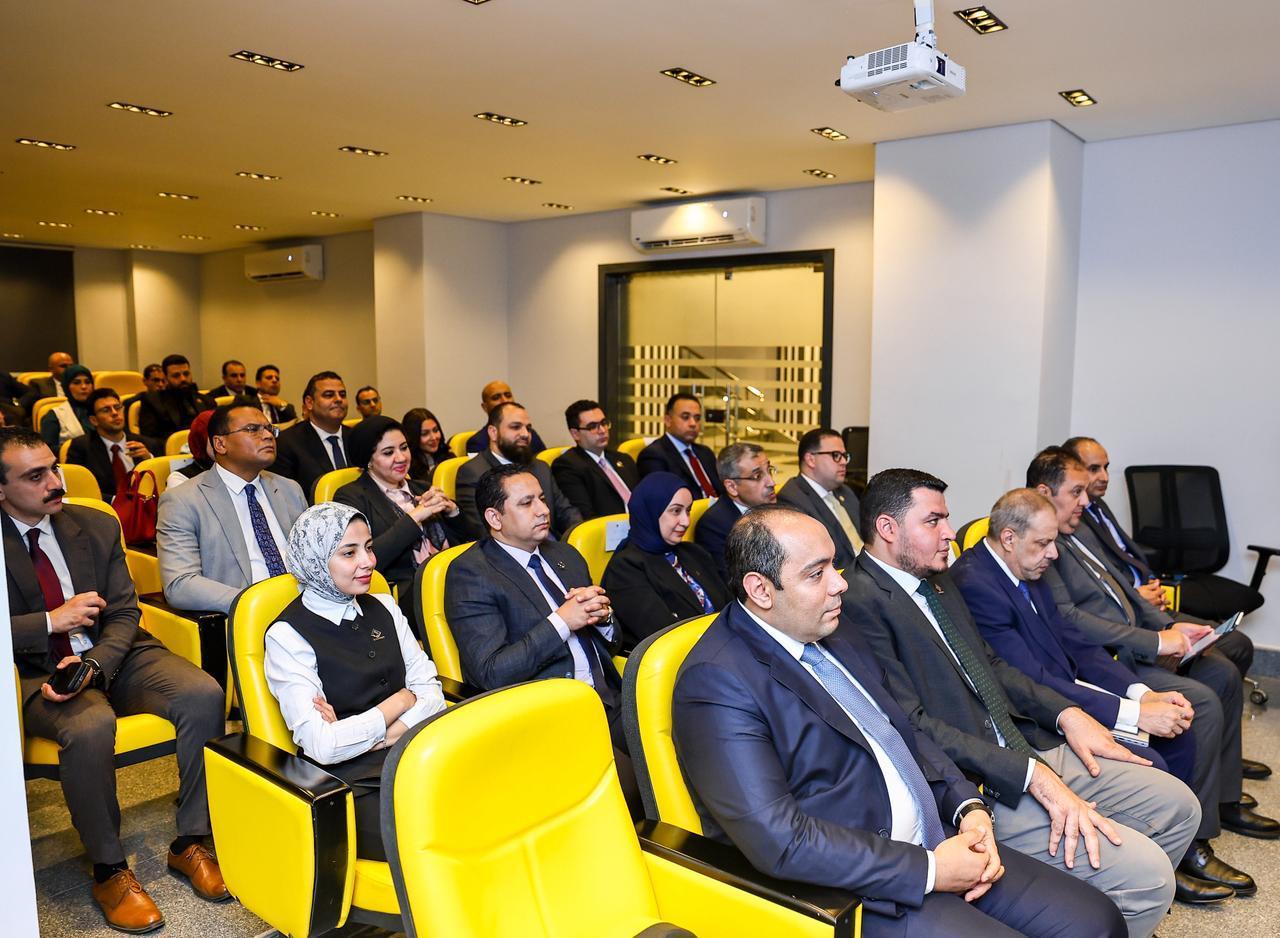
He made the remarks during a meeting with members of the Coordination Committee of Party Youth Leaders and Politicians (CPYP) marking the committee’s eighth anniversary.
During the meeting, Rostom reviewed developments in Egypt’s macroeconomic indicators and the outcomes of ongoing structural reforms. He noted that coordination among government entities is aimed at accelerating the implementation of the goals of Egypt Vision 2030.
He explained that the economic and social development plan for the upcoming fiscal year was prepared amid significant regional and international uncertainty. Despite these challenges, the government remained committed to increasing investments in human development sectors, particularly healthcare, education and capacity building, while taking decisive measures to mitigate the impact of global supply chain disruptions on the prices of essential commodities.
Rostom stressed that the ministry strongly believes in partnership with civil society. He highlighted initiatives such as the electronic “Sharek” application and the publication of the “Citizen’s Plan”, both of which provide citizens with a meaningful opportunity to monitor projects under implementation. He also referred to the adoption of a participatory budgeting mechanism in cooperation with the Ministry of Finance to ensure the involvement of local administrations in setting development priorities across governorates.
“The state responded to successive crises, beginning with the COVID-19 pandemic in 2020, on the basis of scientific and data-driven foundations, which contributed to strengthening the resilience of the national economy and unlocking the untapped potential of its productive sectors,” Rostom said.
The minister also revealed key growth indicators, noting that the Egyptian economy recorded growth of 5.1% during the first nine months of the current fiscal year. He expects growth to reach between 4.9% and 5% by the end of the fiscal year, before accelerating to a targeted range of 5.2% to 5.4% in the next fiscal year. He stressed that these projections are based on highly accurate statistical analyses and forecasting models.
Rostom highlighted efforts to improve the governance of public investments by prioritising projects nearing completion to ensure their rapid entry into service, while creating greater opportunities for domestic and foreign private sector participation.
He also outlined mechanisms to support the entrepreneurship sector through the Ministerial Group for Entrepreneurship, chaired by Deputy Prime Minister Hussein Eissa, which is working to establish an integrated institutional framework and executive programme to support the knowledge and innovation economy.
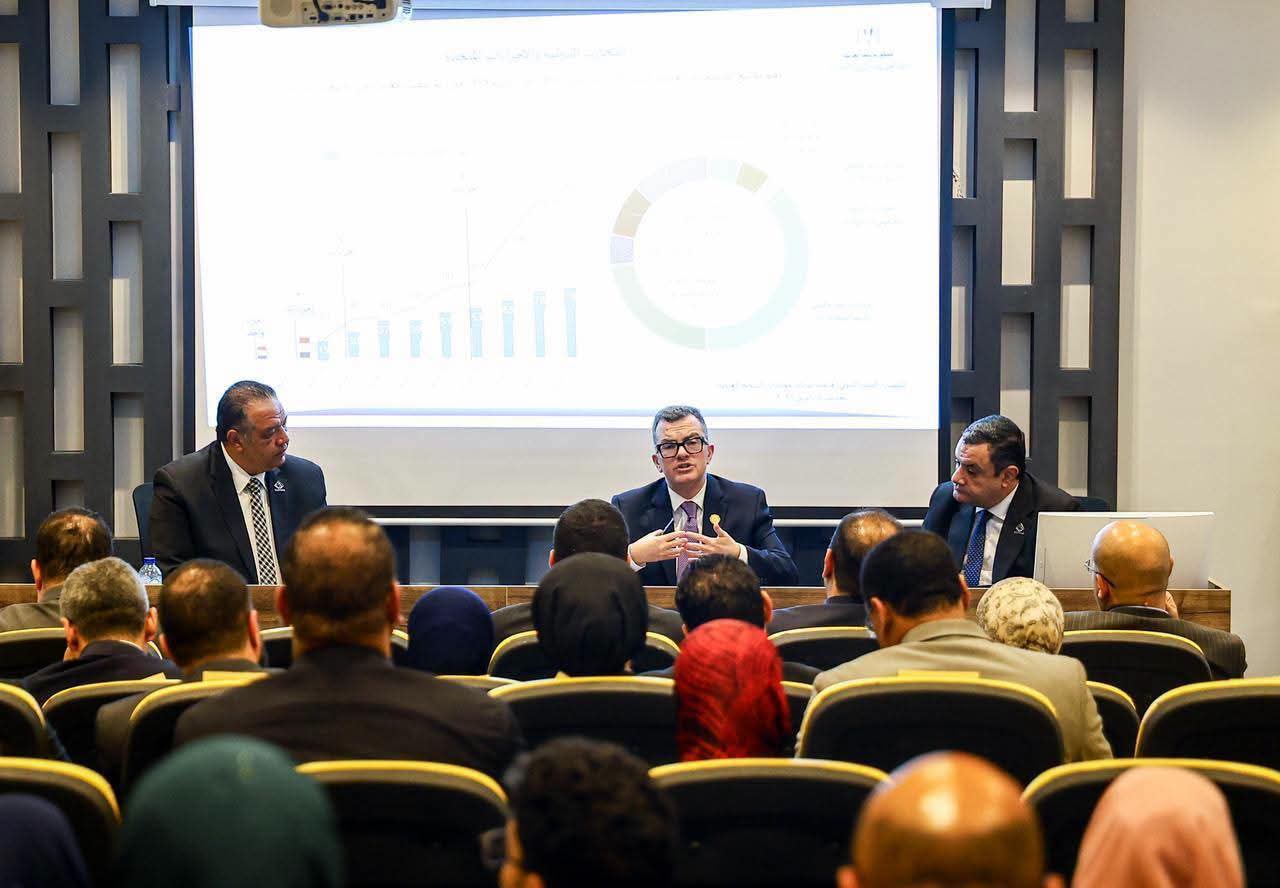
Responding to questions from members of the coordination committee regarding digital monitoring systems, Rostom said the ministry has made significant progress in establishing comprehensive electronic integration among the systems of the Ministry of Planning and Economic Development, the Ministry of Finance and the National Investment Bank to improve spending efficiency.
He added that these efforts are aligned with the Prime Minister’s directives to expand the establishment of large-scale data centres and support the digital and green economy through new phases of the National Smart Green Projects Initiative.