Egypt and Greece on Wednesday called for a peaceful settlement and a comprehensive agreement between the United States and Iran, saying such a deal is essential to reduce tensions and prevent the regional conflict from widening as negotiations continue over the reopening of the Strait of Hormuz.
The position was expressed during a telephone call between Egyptian President Abdel Fattah Al-Sisi and Greek Prime Minister Kyriakos Mitsotakis. According to the Egyptian presidency, the two leaders shared similar views on regional developments and stressed the importance of containing the crisis through political and diplomatic means.
Their call came amid mixed signals over negotiations involving Washington, Tehran, and Muscat. Axios reported that the three sides were close to reaching a temporary 60-day arrangement, with the possibility of an extension, to restore commercial shipping through the Strait of Hormuz while granting Iran greater influence over navigation than it had before the war.
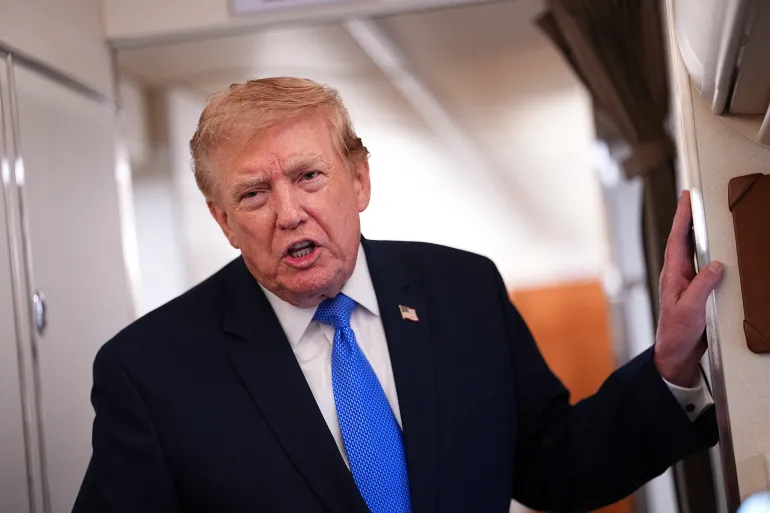
US President Donald Trump said the strait could reopen on Wednesday or Thursday and described Tuesday’s talks with Iran as “very good.” He said Tehran wanted an agreement and did not wish to face further US military strikes.
Trump nevertheless warned that Iran would be hit “very hard” if the Strait of Hormuz was not reopened soon or if Tehran withdrew from a potential agreement. He said Washington hoped to avoid further military action but insisted Iran would never be allowed to possess a nuclear weapon. Reopening the strait, he added, would help reduce global energy and fuel prices.
Iranian media, however, sought to temper expectations. State television quoted an informed source as saying that a possible agreement with Oman on shipping arrangements would not automatically result in the immediate reopening of the Strait of Hormuz.
The source said continued US violations and military threats could delay reopening even if a technical agreement were reached. A website affiliated with Iran’s Revolutionary Guards also quoted a source as saying US pressure and Trump’s threats were the main reasons an agreement with Oman had been delayed.
“Iran will not conclude any agreement under threat,” the source said.
Meanwhile, US Central Command said the southern shipping lane through the Strait of Hormuz remained open to commercial traffic. It said American forces had helped more than 1,000 vessels transit the waterway safely over the past three months despite what it described as unjustified Iranian attacks.
Regional tensions also extended to the Red Sea, where Yemen’s Houthi movement said it had targeted a Saudi oil tanker north of the waterway near Yanbu with ballistic missiles. The group said the attack formed part of a maritime blockade imposed on Saudi Arabia on 22 July.
Houthi military spokesperson Yahya Saree said the group had targeted eight Saudi oil tankers and prevented another 29 vessels from transiting since the blockade began.
Diplomatic contacts continued in parallel. Iranian Interior Minister Eskandar Momeni met Pakistan’s new ambassador to Tehran, Imran Ahmed Siddiqui, to discuss strengthening bilateral relations and coordination, reflecting Pakistan’s continuing role in regional diplomacy.