
Egypt’s non-banking financial sector, regulated by the Financial Regulatory Authority (FRA), serves more than 60 million citizens and provided financing worth EGP 1.4trn in 2025, according to Ahmed Rostom, Minister of Planning and Economic Development.
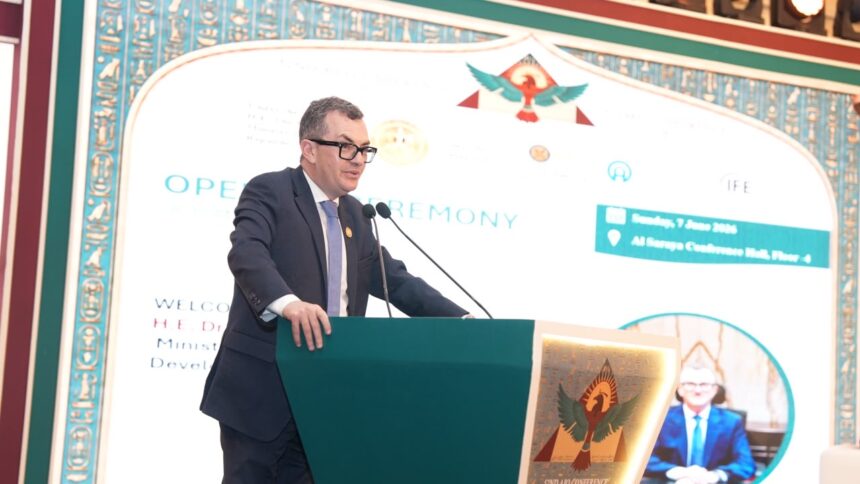
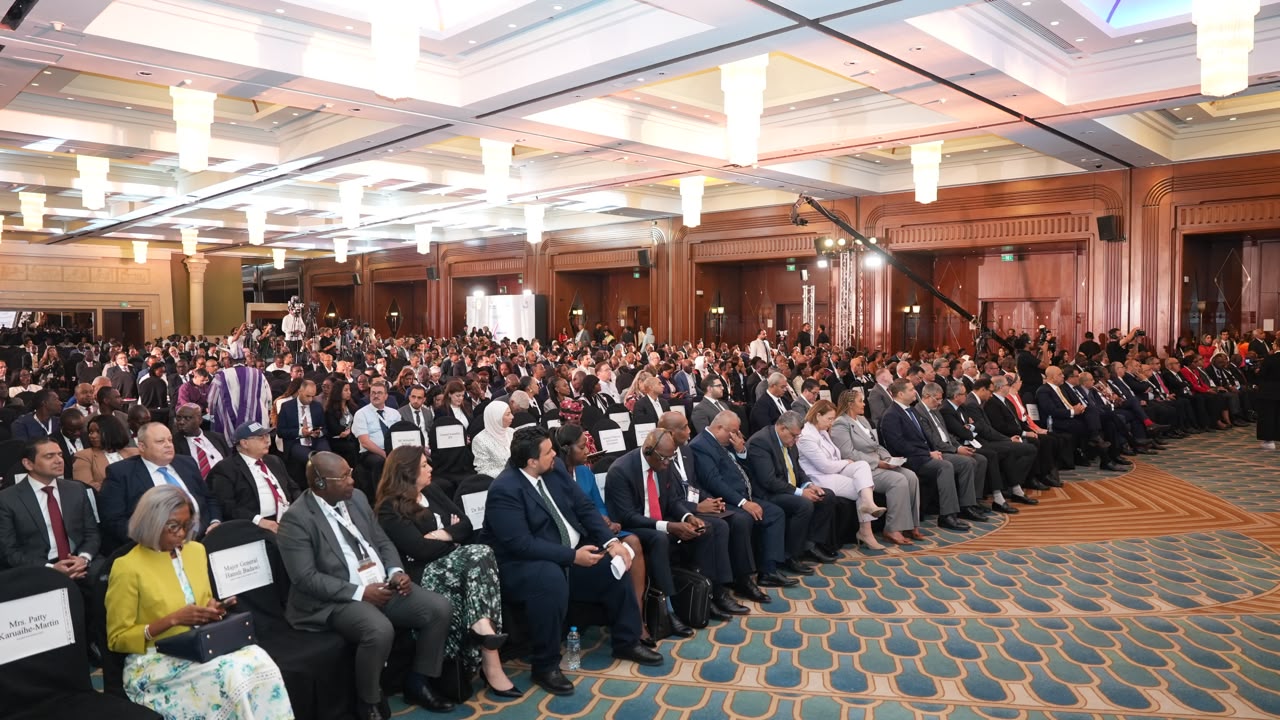
Rostom made the remarks during his address at the 52nd Conference of the African Insurance Organisation (AIO), held in Cairo and hosted by the Insurance Federation of Egypt under the patronage of the Prime Minister and the FRA.
The event was attended by Mohamed Farid, Minister of Investment and Foreign Trade; Islam Azzam, FRA Chairperson; Yared Mola, President of the African Insurance Organisation; and Alaa El-Zoheiry, Vice-President of the African Insurance Organisation and Chairperson of the Insurance Federation of Egypt.
In his speech, Rostom noted that the conference is being held at a critical juncture marked by rapidly evolving global and regional geopolitical developments. These challenges, he said, underscore the need to build more resilient economies, strengthen risk management frameworks, and mobilise resources to support sustainable development.
He highlighted the transformation of the insurance industry from a traditional risk-mitigation mechanism into a key driver of economic growth, financial stability, and resilience in the face of crises, climate change, and major global economic shifts.
Despite a series of shocks affecting African economies—including commodity price volatility and the COVID-19 pandemic—Rostom said the continent has demonstrated remarkable resilience, supported by sound macroeconomic policies. Africa’s average real GDP growth accelerated to approximately 4.4% in 2025, up from 3.5% in 2024, making it one of the fastest-growing regions globally, with 22 countries recording growth rates above 5%.
Rostom also pointed to Africa’s significant domestic financial resources, including an estimated $2.5trn in commercial banking assets and $320bn in insurance sector assets. However, he noted that insurance penetration across the continent remains below 2% of GDP.
He stressed that greater integration of African financial markets could help mobilise long-term institutional savings, deepen financial intermediation, enhance yield curves, and channel capital into infrastructure and other high-impact development projects through innovative financing instruments.
Turning to Egypt, Rostom said the country has maintained macroeconomic stability and continued implementing its strategic national projects despite successive global and regional challenges. Economic growth recovered from 2.4% in FY2023/24 to around 4.4% in FY2024/25, before accelerating further to 5.2% during the first nine months of the following fiscal year.
He added that the Egyptian economy benefits from a diversified structure, with five key productive sectors—manufacturing, wholesale and retail trade, tourism, construction, and agriculture—expected to contribute approximately 64% of targeted growth in FY2026/27.
Rostom highlighted the strong performance of Egypt’s insurance sector, which recorded growth rates of 8.9% and 12.5% during the first and second quarters of FY2025/26, respectively. He attributed this momentum largely to the implementation of the Unified Insurance Law No. 155 of 2024.
To support sustainable economic growth and job creation, the minister said the government is continuing to implement a comprehensive reform agenda, including measures to improve public investment governance and diversify financing sources.
He reaffirmed the government’s commitment to developing both the insurance industry and the broader non-banking financial sector, while calling for stronger cross-border cooperation, deeper regulatory integration, and greater knowledge-sharing among African countries.
Such efforts, he concluded, would help build more robust and integrated financial systems across the continent, strengthening Africa’s capacity to finance its development priorities and navigate future challenges.