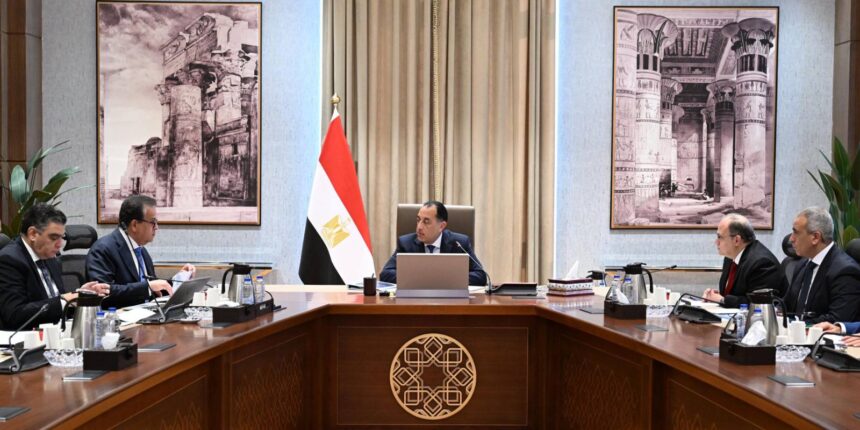
Egypt’s Prime Minister, Mostafa Madbouly, chaired a high-level meeting on Sunday to review the availability of pharmaceutical products and active raw materials in the domestic medicine market.
The meeting, attended by relevant ministers and officials, focused on ensuring the adequacy of Egypt’s strategic drug reserves and monitoring supply chains, while advancing efforts to localise the production of pharmaceuticals and medical supplies.
Madbouly underscored the government’s commitment to continuous oversight of strategic medicine stocks, emphasising the importance of strengthening domestic manufacturing capabilities to enhance healthcare security.
A detailed report presented during the meeting indicated that current inventories held by the Ministry of Health and affiliated entities are sufficient to meet local demand for a reassuring period.
The review covered a wide range of critical medical supplies, including materials used in radiology, blood banks, vascular and general surgeries, cardiology catheters, dialysis, ophthalmology, and laboratory services, as well as specialised procedures such as cardiac, thoracic, and neurosurgery.
The report also confirmed the availability of essential medicines across key therapeutic categories. These include treatments for cardiovascular conditions, anticoagulants, emergency medicines, respiratory and gastrointestinal therapies, seasonal cold treatments, women’s health, diabetes and endocrine disorders, as well as analgesics and tuberculosis drugs. Stocks also cover vitamins and supplements, oncology and immunology treatments, psychiatric and dermatological medicines, anaesthetics, antimicrobials, blood proteins, and anti-allergy drugs.
The meeting further reviewed the performance of Egypt’s pharmaceutical market, which recorded 9% growth in 2025, with total production reaching approximately 3.9 billion units, up from 3.5 billion units in 2024.
Officials highlighted ongoing monitoring of strategic raw material inventories, alongside daily tracking of imports in light of global supply chain disruptions linked to current geopolitical tensions. Indicators point to relatively stable import levels, supporting the continued availability of essential medicines and medical supplies.
Updates were also provided on the status of reserves held by the Egyptian Unified Procurement Authority, confirming sufficient stock levels of pharmaceuticals, medical supplies, and equipment across various therapeutic needs.
The meeting reaffirmed the government’s dual focus on securing strategic medicine reserves and accelerating localisation efforts, with the aim of ensuring sustainable healthcare provision and supporting the growth of Egypt’s domestic pharmaceutical industry.