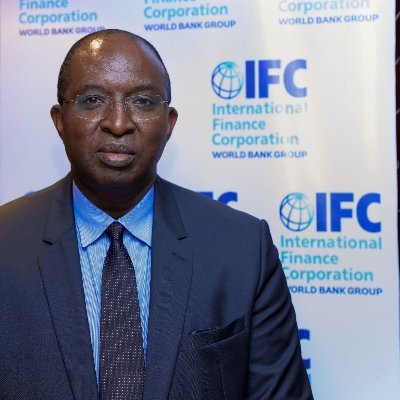
The International Finance Corporation (IFC) plans to invest around $1.2bn in Egypt during the current fiscal year 2026, up from $915m in the previous fiscal year, according to Cheick Oumar Sylla, IFC Director for North Africa and the Horn of Africa.
Speaking at the World Bank conference titled “Multilateral Development Projects: Procurement Readiness and Opportunities in Egypt,” Sylla said that approximately $1bn has already been committed during the current fiscal year.
This brings IFC’s cumulative investment portfolio in Egypt to $6.5bn over the past seven years.
Sylla added that the IFC aims to scale up its annual investments in Egypt to reach $1bn on a sustained basis, underscoring the institution’s long-term commitment to supporting economic development and private sector growth in the country.
He explained that IFC’s current investments in Egypt are distributed across several key sectors aligned with sustainable growth objectives. The financial sector accounts for the largest share of the portfolio at 47%.
Infrastructure, renewable energy, and transport projects follow, collectively representing 32% of total investments and supporting Egypt’s long-term development needs.
Manufacturing, tourism, and real estate account for around 12% of IFC’s investments, while startups and investment funds represent approximately 6%, reflecting support for innovation and entrepreneurship. The healthcare sector makes up about 3% of the portfolio, while agribusiness accounts for 1%, highlighting the diversified nature of IFC’s investment strategy and its focus on sectors with tangible economic and social impact.
In addition to direct investments, the IFC provides advisory services valued at $27m to support strategic priority areas in Egypt.
The financial sector leads advisory activities, accounting for 38% of total engagements, followed by public-private partnership (PPP) advisory services at 21%, aimed at improving the efficiency and execution of development projects.
Advisory services related to manufacturing, agribusiness, and services represent 17% of total activities, Sylla noted. Environmental, social, and governance (ESG) practices and market-creation advisory services each account for 9%, reflecting IFC’s emphasis on sustainability and market development.
Green building initiatives make up 4% of advisory services, while programmes supporting gender equality account for 2%, highlighting the institution’s focus on inclusive and sustainable economic growth.