The Financial Regulatory Authority (FRA), chaired by Mohamed Farid, has granted the Egyptian Exchange (EGX) its first licence to operate futures exchanges for derivatives based on securities listed on the Egyptian market. The milestone step reflects the FRA’s commitment to developing Egypt’s capital market infrastructure, diversifying investment instruments, and enhancing risk management in line with international standards.
Financial derivatives are contracts whose value is derived from an underlying asset, such as shares, price indices, or other instruments determined by the Authority. These include futures contracts, options, swaps, or other standardised agreements.
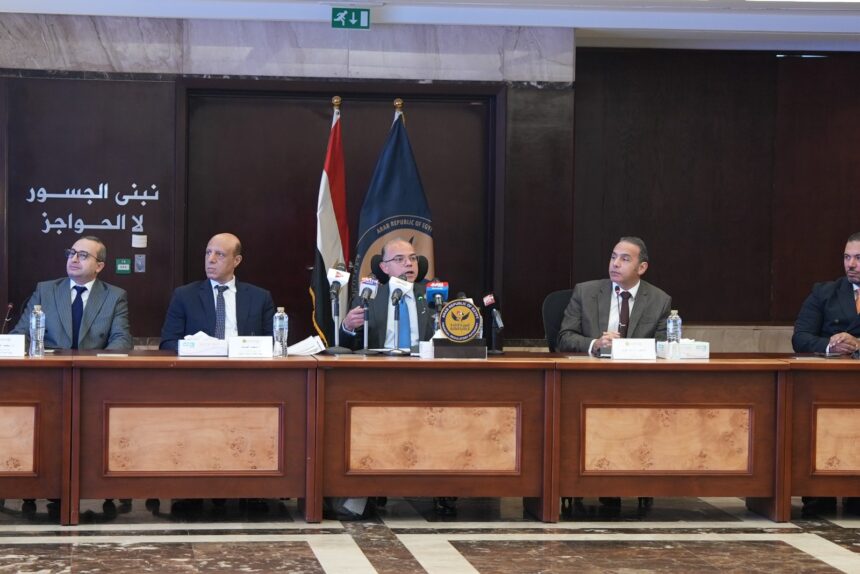
Speaking at a press conference attended by Islam Azzam, Chairperson of the Egyptian Exchange, Farid said the launch of a derivatives market is one of the key pillars of the FRA’s strategy to build a more advanced and sustainable financial market.
“The FRA has worked over many months to establish a regulatory and legislative framework suitable for derivatives trading in Egypt. Derivatives are globally recognised as essential tools for risk management, market stability, and attracting a broader investor base,” Farid said.
He noted that the licence was granted after completing full coordination with the EGX and Misr for Clearing, Settlement and Central Depository, ensuring the highest standards of governance, protection of market participants, and market integrity.
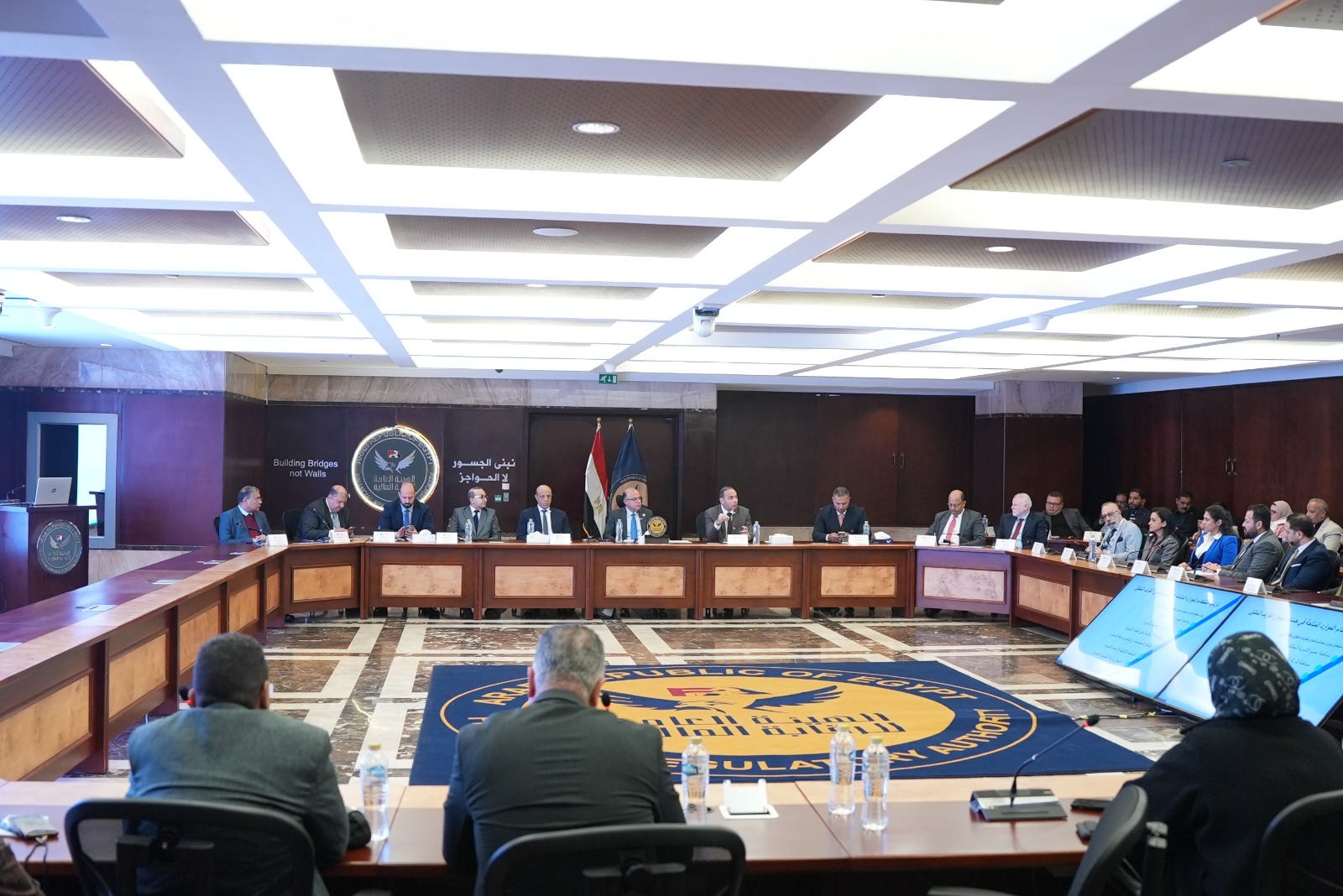
The launch of the derivatives market will take place in four phases: the first phase will introduce futures contracts on the EGX30 EWI, with trading expected to begin in March. The second phase will include futures on the EGX70 EWI, followed by futures on individual shares, and finally, options contracts on shares and indices. This phased approach is designed to build a stable, organised market capable of sustainable growth.
Futures contracts are standardised agreements to buy or sell securities or other financial instruments at a predetermined price on a future date. Farid highlighted that an integrated risk management system will be implemented to limit systemic risks and ensure market resilience against volatility.
Seven brokerage firms have already applied for licences to operate as futures brokers, reflecting strong local interest in the new market. Futures trading is expected to deepen the market, increase liquidity, and provide investors with advanced tools to hedge risks, improve pricing efficiency, and enhance portfolio management.
Islam Azzam praised Farid and the FRA for their efforts, noting that regular coordination and the development of a dedicated trading system have prepared the Exchange for futures and options contracts. He said foreign investment funds have already shown interest in trading derivatives in Egypt, signalling growing international confidence in the local market.
Risk management measures will be enforced through the clearing and settlement company, including membership requirements, initial and variation margins, contributions to a central counterparty guarantee fund, and allocations from the Investor Protection Fund.
During the conference, an illustrative example explained futures contracts using real estate: if a client expects property prices to rise, they could enter a futures contract to purchase a flat in one year at a fixed price of EGP 2m, paying an initial margin of EGP 200,000. Any price increase would yield gains before settlement, while a price drop would still obligate the client to complete the purchase, potentially resulting in a loss.