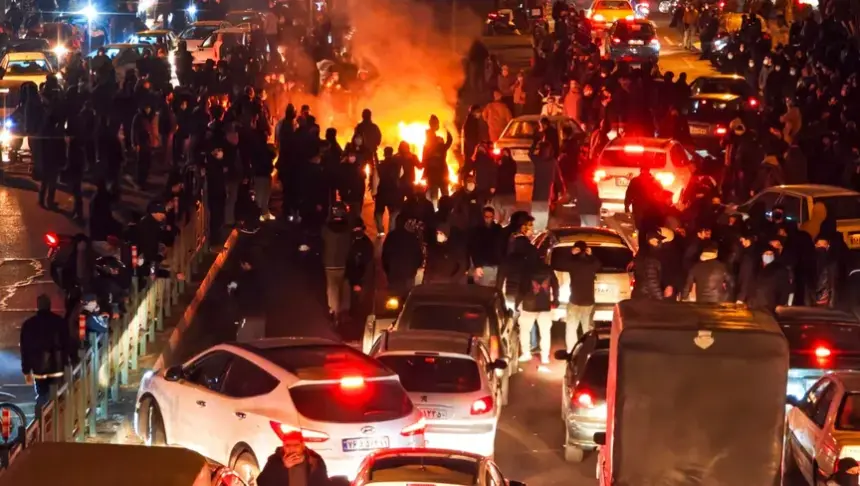
Under the flicker of streetlights at Tehran’s major intersections, the heavy tread of riot police is the only sound in a city defined by a tense, enforced silence. On the blackened walls of government buildings, fresh graffiti carries a message that carries the weight of a capital offence: “Death to Khamenei.”
For 17 days, a digital shroud has isolated the Islamic Republic, but as authorities begin a tentative easing of communication restrictions, the scale of the crisis is emerging. What began as an outcry over economic hardship has evolved into the deadliest challenge to the Iranian government in decades. Human rights monitors now report that the death toll has surged past 2,500, eclipsing previous waves of unrest and triggering a total collapse in diplomatic channels between Tehran and Washington.
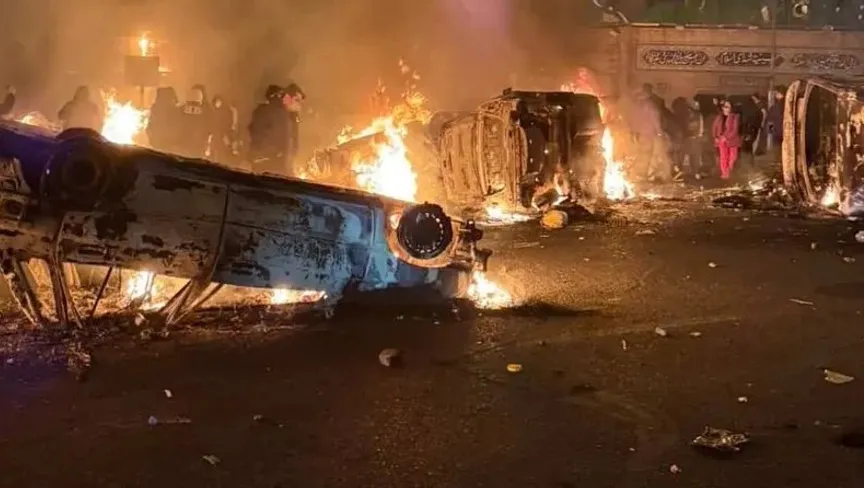
The human cost of the crackdown is unprecedented. According to the Human Rights Activists News Agency (HRANA), a US-based monitor, the count reached at least 2,571 by Wednesday morning—more than four times the casualties seen during the 2022 Mahsa Amini protests. With over 18,100 people detained and the US military shifting personnel at regional bases, the domestic uprising has reached a critical geopolitical flashpoint.
The Toll of Dissent
The Iranian government has offered its first official acknowledgement of the fatalities, though the figures remain heavily disputed. State television, quoting an official on Tuesday, reported that approximately 2,000 people—including members of the security forces—had died. In a move reflecting the severity of the situation, the state broadcast a notice announcing free funeral and morgue services, following reports that families were being charged exorbitant fees to reclaim the bodies of their loved ones.
Independent monitors, however, suggest the reality is far grimmer. Skylar Thompson of HRANA told the Associated Press that the new figures are “shocking,” warning that even the current count of 2,571 is likely “conservative.” The Oslo-based Iran Human Rights (IHRNGO) has verified at least 734 deaths, including 12 children and six women, while unconfirmed reports from networks like Iran International suggest the figure could exceed 12,000.
A City in Shadows
On the ground, witnesses describe a capital under siege. While some internet restrictions have eased, allowing access to government-approved sites, global platforms remain largely blocked. Text messaging services are still disabled.
“Riot police are everywhere, wearing helmets and shields, carrying batons and tear gas launchers,” said one witness who requested anonymity. “But the most visible change is the presence of plainclothes agents stopping people at random.”
These security forces are reportedly searching for more than just protesters; residents in north Tehran claim authorities have been raiding apartment buildings to seize Starlink satellite dishes. This follows reports from US-based Holistic Resilience that Elon Musk’s satellite service has become available for free in Iran to bypass the state’s “halal internet” filters.
Diplomatic Breakdown and Regional Fears
The domestic bloodletting has effectively killed a nascent diplomatic opening with the West. A senior Iranian official confirmed to Reuters on Wednesday that direct communications between Foreign Minister Badr Abdelatty and US officials have been suspended. Specifically, scheduled talks between Iranian Foreign Minister Abbas Araghchi and US Special Envoy Steve Witkoff were cancelled following threats from President Donald Trump.
Trump, posting on his Truth Social platform, urged Iranians to “take control of your institutions” and warned that those committing abuses would “pay a big price.” However, he later told reporters his administration is waiting for “accurate reports” before deciding on a formal response.
The tension has radiated across the Persian Gulf. Three diplomats told Reuters that personnel were advised to leave Al Udeid Air Base in Qatar—the largest US military installation in the region—by Wednesday evening. The move mirrors precautions taken before the US-Israeli strikes in June 2024, heightening fears of a wider military escalation.
Retribution and Resistance
Within the Iranian judicial system, the response to the unrest is hardening. Gholamhossein Mohseni Ejei, head of the judiciary, announced on Wednesday that protesters accused of violence or “terrorist” acts would be given “priority for trial and punishment.” He specified that those who attacked security forces with weapons or incendiary devices would be tried publicly and swiftly.
Despite the threat of execution, the protests—fuelled by economic collapse and international isolation—show no signs of vanishing. While Germany announced a review of its 1.5bn euro trade relationship with Tehran, and Russia’s Sergei Lavrov reaffirmed Moscow’s support for the Islamic Republic, the internal pressure continues to mount.
As the 17th day of unrest draws to a close, the “forward-looking” fear among Iranians is no longer just about the economy, but survival. The silence in the streets of Tehran today may be the prelude to an even more violent tomorrow, as both the state and the street refuse to blink.