

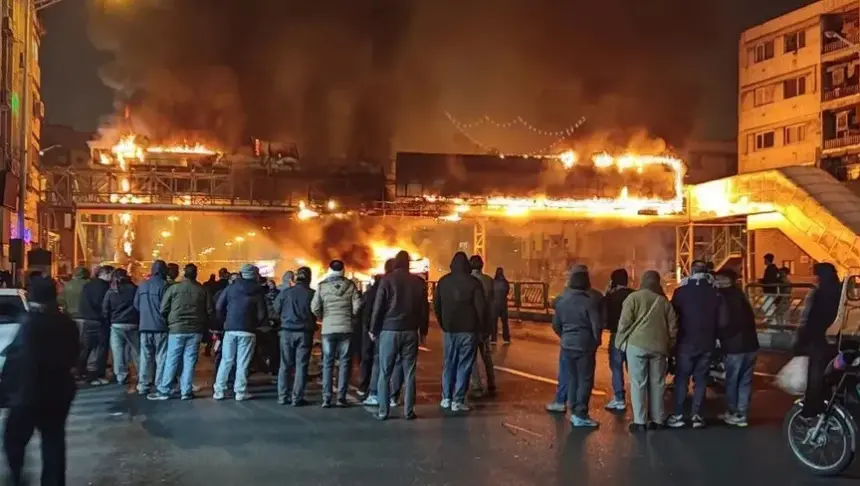
Amid a nationwide internet blackout and a surging death toll, the streets of Iran have become the front line of a dangerous new escalation between Tehran and Washington. As protests spread to 186 cities, the Iranian government has shifted its rhetoric from domestic reform to open accusations of a “terrorist war” orchestrated by the United States. Meanwhile, President Donald Trump has signalled he is nearing a “red line,” with high-level briefings scheduled this Tuesday to discuss potential military strikes and cyber warfare—options that could fundamentally reshape the geopolitical landscape of the Middle East.
The war of words reached a fever pitch on Monday when Iranian Foreign Minister Abbas Araghchi appeared on state television to claim that US “interference” had turned civil demonstrations into a “bloody” conflict. “Iran is ready for war and also for dialogue,” Araghchi told diplomats, even as he alleged that authorities possess evidence of foreign-backed groups distributing weapons to protesters.
The “nut graph” or central kernel of this story is the rapid collapse of internal stability in Iran occurring simultaneously with a pivot in US foreign policy toward “maximum pressure.” With human rights groups reporting a “dramatic” increase in state violence and a death toll that may have exceeded 2,000, the situation has evolved from a local uprising into a global security crisis that risks direct military confrontation between the US, its allies, and the Islamic Republic.
A Humanitarian Crisis Under a Digital Veil
The human cost of the 16-day uprising is becoming increasingly difficult for Tehran to obscure. Human rights activists have confirmed at least 544 deaths, with reports of another 579 currently under verification. The Narges Mohammadi Foundation, named after the 2023 Nobel Peace Prize laureate, has released even more harrowing figures, suggesting that mass shootings by security forces may have claimed up to 2,000 lives since the internet was severed last Thursday.
Minister Araghchi dismissed these figures, claiming instead that most victims were “shot from behind” by “terrorists” attempting to frame the state. To maintain what he called “security control,” the government has kept the country in a state of digital isolation, though Araghchi promised that internet services would soon be restored to embassies and ministries.
Washington’s War Cabinet: Cyber and Kinetic Options
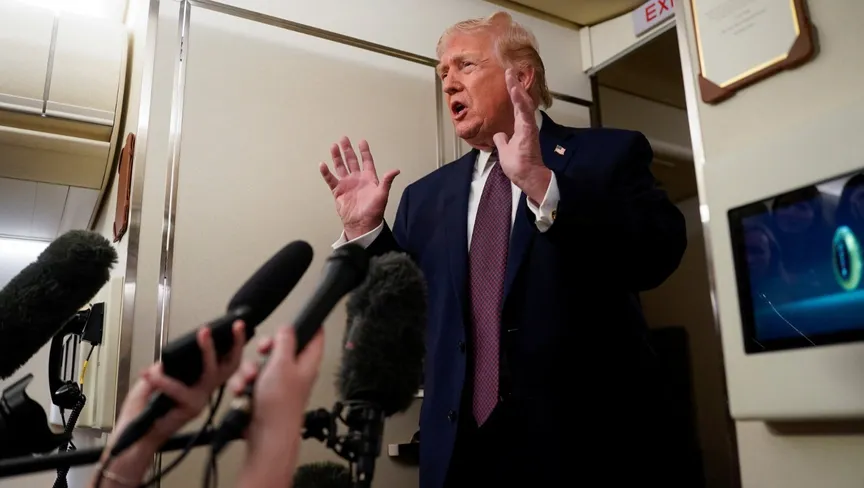
Across the Atlantic, the White House is preparing for a pivotal meeting on Tuesday. President Trump, speaking to reporters aboard Air Force One, confirmed he is receiving hourly updates and is considering “very strong options.” The meeting will reportedly include:
US Secretary of State Marco Rubio, Secretary of Defence Pete Hegseth, and General Dan Cain, Chairman of the Joint Chiefs of Staff.
According to the Wall Street Journal, the administration is reviewing a menu of responses that include deploying “covert cyber weapons” against Iranian infrastructure, fresh economic sanctions, and potential kinetic military strikes. Trump also revealed he plans to consult with Elon Musk regarding the deployment of Starlink satellite internet to restore connectivity for the Iranian people, bypassing the government’s blackout.
Geopolitical Risks and Strategic Restraint
Despite the aggressive posturing, the Pentagon has expressed caution. Military officials are reportedly wary that a strike might inadvertently validate Tehran’s narrative of “foreign meddling.” Furthermore, the absence of a US aircraft carrier in the immediate region—following the relocation of the USS Gerald Ford—complicates any immediate large-scale military action.
China has also entered the fray, with Foreign Ministry spokesperson Mao Ning urging restraint and opposing “the use of force or the threat of it.” Beijing’s stance highlights the global divide over the crisis, as the East urges stability while the West focuses on human rights and regime accountability.
As the Tuesday briefing approaches, the regional stakes remain at an all-time high. The Speaker of the Iranian Parliament has already issued a pre-emptive warning, threatening to target US military bases in the Middle East if Washington initiates military action. The coming 24 hours may determine whether the crisis moves toward a fragile dialogue or an all-out regional war.

