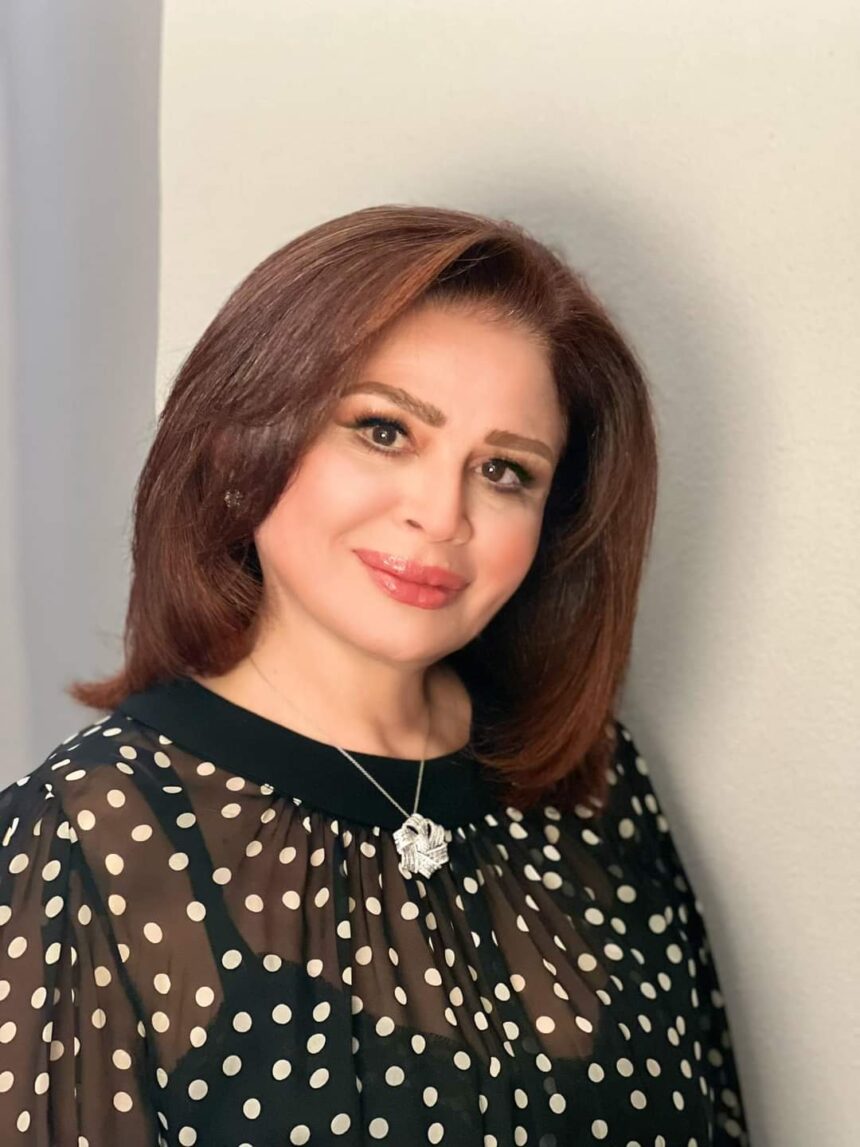
Throughout her distinguished career, Elham Shahin has remained one of the most influential voices in Arab cinema and television—not through constant visibility or seasonal appearances, but through a sustained commitment to provoking thought and unsettling complacency. At a time when silence often feels safer than confrontation, and compromise more common than conviction, Shahin continues to articulate a clear and unapologetic artistic stance.
In this conversation, she speaks candidly about the delicate balance between creative boldness, public debate and censorship, and explains the principles that guide her choices. She reflects on her acclaimed performance in Seed El-Nas, addresses her absence from Ramadan 2026 drama, and reaffirms her belief that art is not a luxury, but a deliberate act and a moral responsibility that cannot be postponed or diluted.
How would you describe 2025, both professionally and personally?
It was an intense year, marked by contradictory emotions. Professionally, it brought meaningful success and a strong audience response, particularly with Seed El-Nas. Personally, however, it was shadowed by profound sorrow, with the loss of close friends and respected artistic figures. These contrasts sharpen your awareness of the value of the present moment and reinforce the need for art to carry genuine meaning. Success feels empty without humanity.
What attracted you to the character of Etimad El-Hawari?
The role was a real challenge. Etimad is complex, morally ambiguous and psychologically layered, a harsh stepmother whose actions are socially unsettling. I was drawn to her inner contradictions and emotional depth. I seek roles that provoke dialogue, that unsettle the viewer, and that refuse comfort or easy conclusions. The most powerful characters confront the audience with difficult questions.
The role sparked controversy. How did you react to audience feedback?
For me, controversy is evidence of impact. When people debate, question and reflect, that is success. The audience understood that the character does not justify wrongdoing; it exposes the reasons behind it. This level of engagement is exactly what I aim for. True art does not pass quietly, it lingers.
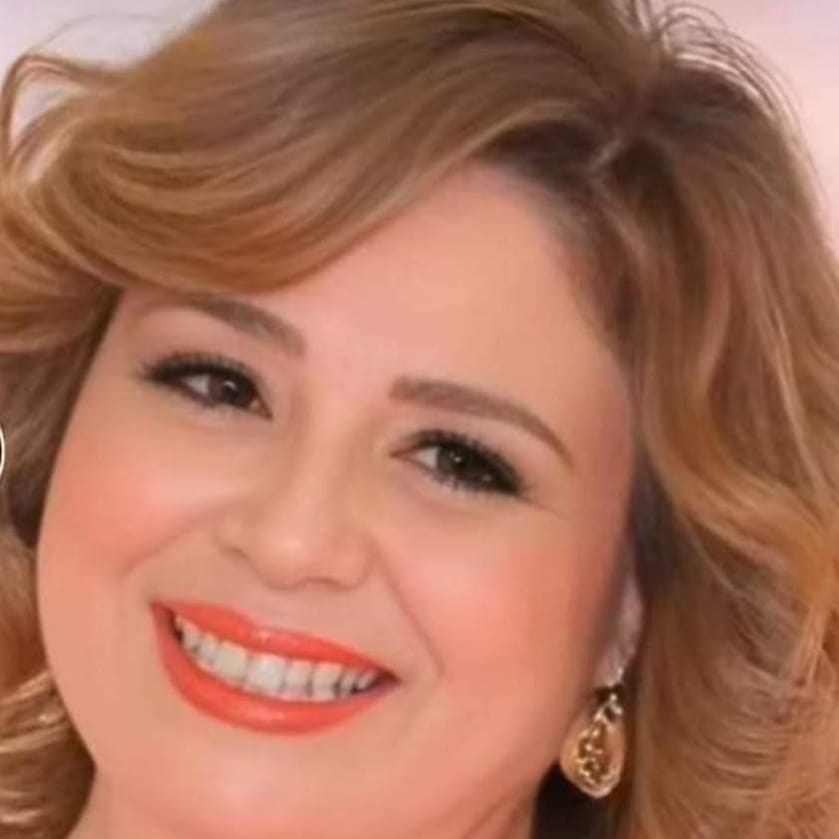
How meaningful was winning “The Best 2025” award for Best Actress?
It was deeply gratifying, particularly because it came through a public vote. It felt like recognition of honesty in performance and courage in choice. The award was both affirmation and motivation to continue embracing challenging, multifaceted roles. It confirmed that calculated risk ultimately resonates.
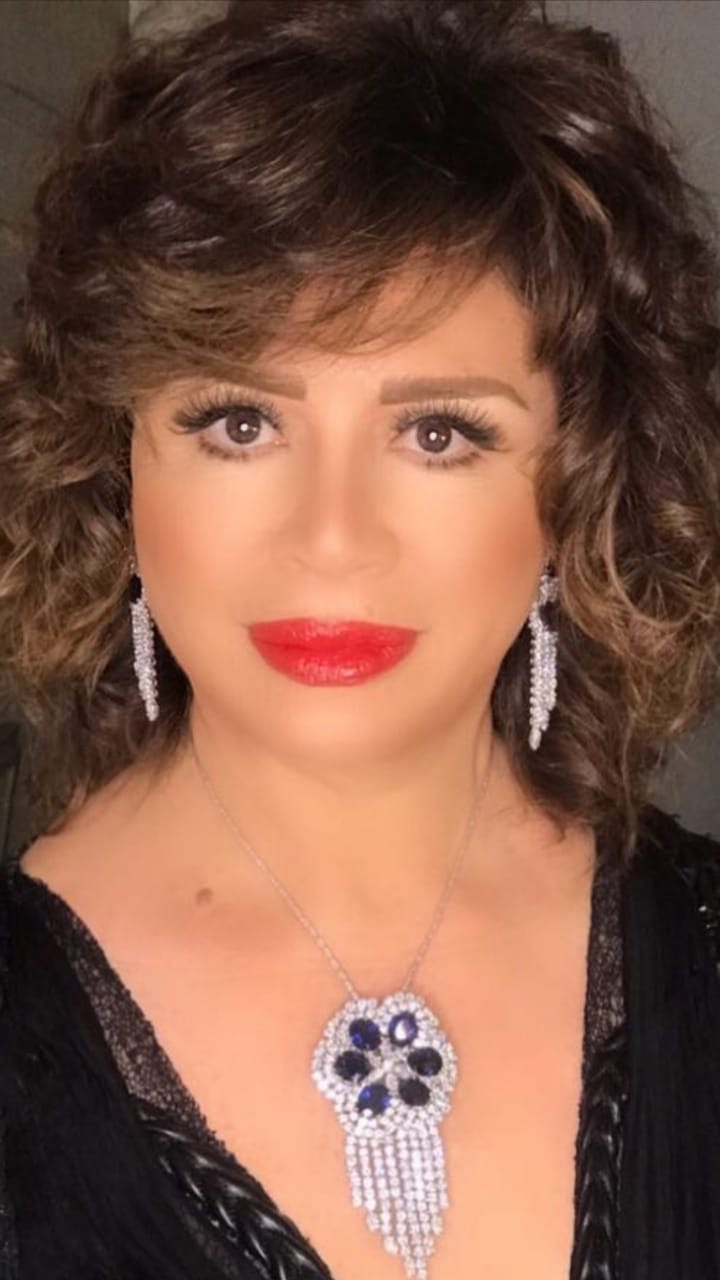
How was your experience working with the Seed El-Nas crew?
It was rewarding on every level. Working with director Mohamed Sami involved continuous dialogue and creative exchange. The chemistry with Amr Saad and the rest of the cast translated naturally on screen. The achievement was collective, built on shared vision, trust and teamwork.
The year ended with personal loss. How did that affect you?
Losing loved ones leaves an indelible mark. It forces you to reassess priorities and reconnect with what truly matters. Painful experiences remind us that art cannot be separated from life, and that human emotion inevitably shapes what we create and the perspectives we express.
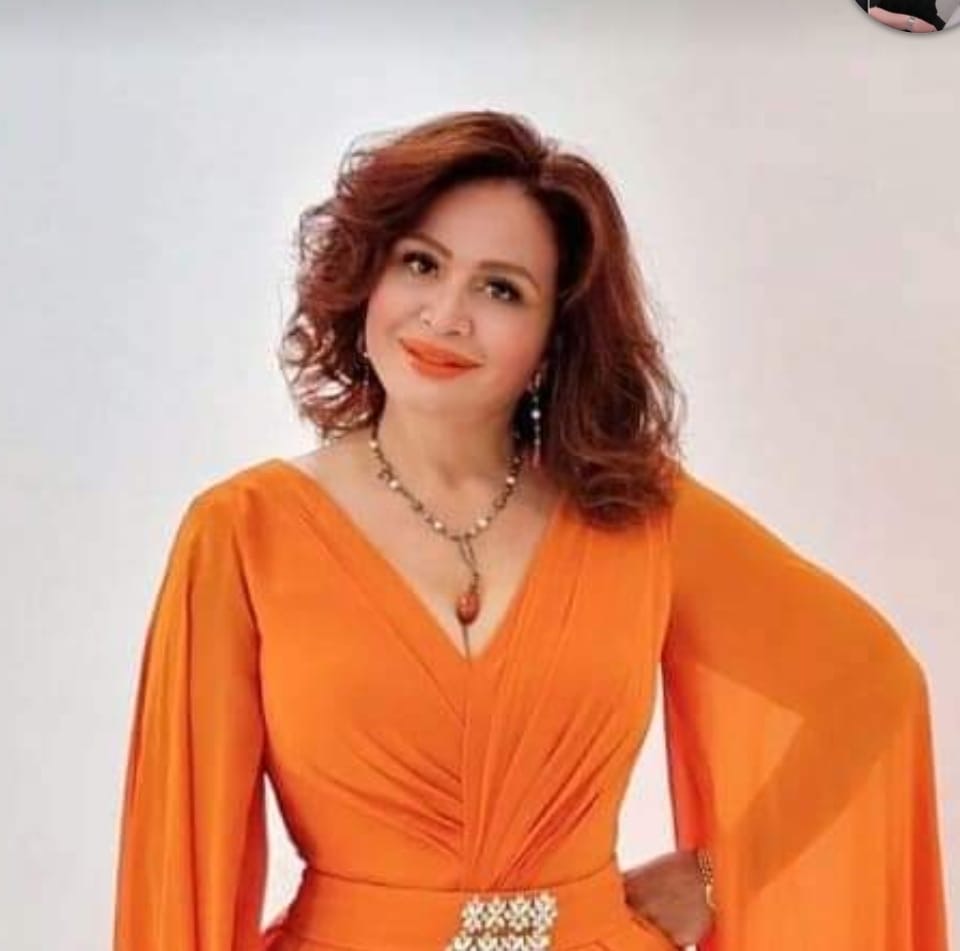
You announced your absence from Ramadan 2026 drama. Why?
It was not a decision to withdraw, but the result of production delays. I do not believe in appearing simply for seasonal presence. I prefer to wait for a script and a role that genuinely resonate with both myself and the audience. An artistic legacy is not built on convenience.
Could we see you in a project outside Ramadan?
Absolutely. Timing is secondary to artistic value. If a project carries a sincere message and the potential for meaningful impact, I will take part, regardless of timing.
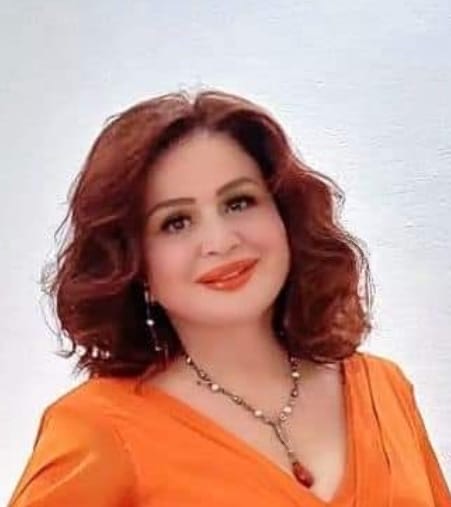
What guides your artistic choices today?
Strong writing, layered characters and clear social relevance. I prioritise impact over quantity. Honesty and quality are non-negotiable. I refuse work that merely repeats past efforts or adds nothing new.
How do you handle criticism and attacks over bold roles?
From early on, I learned to differentiate between constructive criticism and baseless attacks. I respect critique rooted in artistic perspective. Prejudiced reactions do not concern me. I do not perform to please everyone. My aim is to provoke dialogue and reflection. Art is a mirror of reality, with all its contradictions, those unwilling to face the truth may reject the reflection itself.
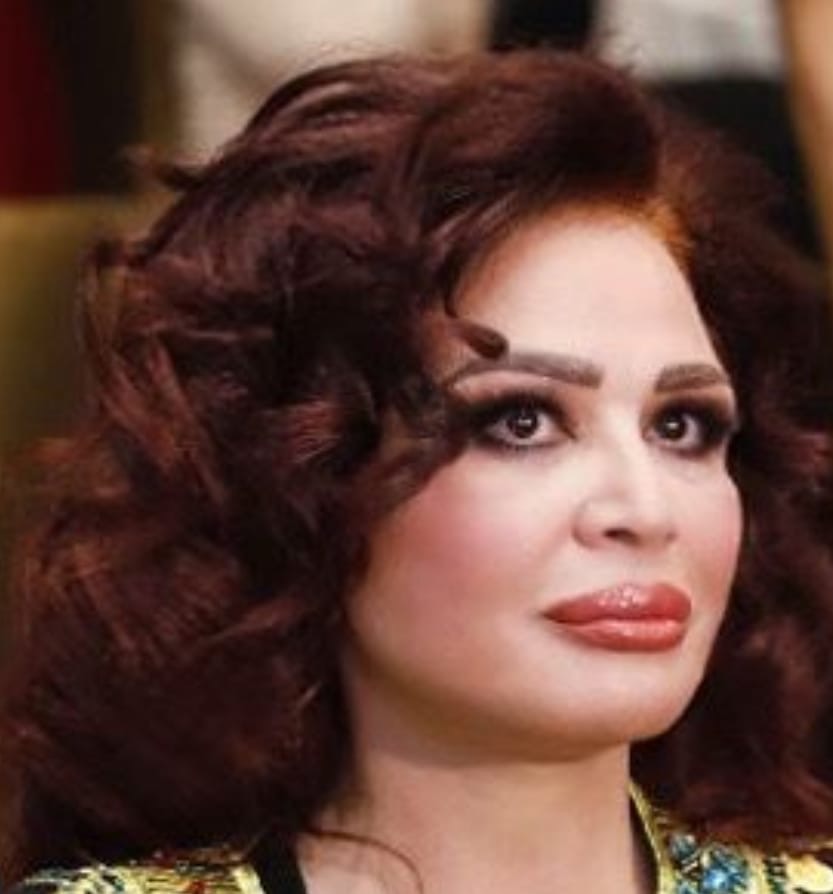
How do you view the limits of artistic freedom amid ongoing censorship debates?
Freedom is essential, but it is not chaos. It must be conscious and responsible, and it must respect the audience’s intelligence. Censorship should protect society, not suffocate creativity. When art is restrained excessively, it loses its ability to enlighten; when left entirely unchecked, it risks losing purpose. Balance is crucial.
What advice would you give to the next generation of artists?
Understand that art is a responsibility before it is fame. Boldness is necessary, but it must be guided by awareness and respect for the audience. Do not fear sensitive topics if they serve society and open meaningful dialogue.
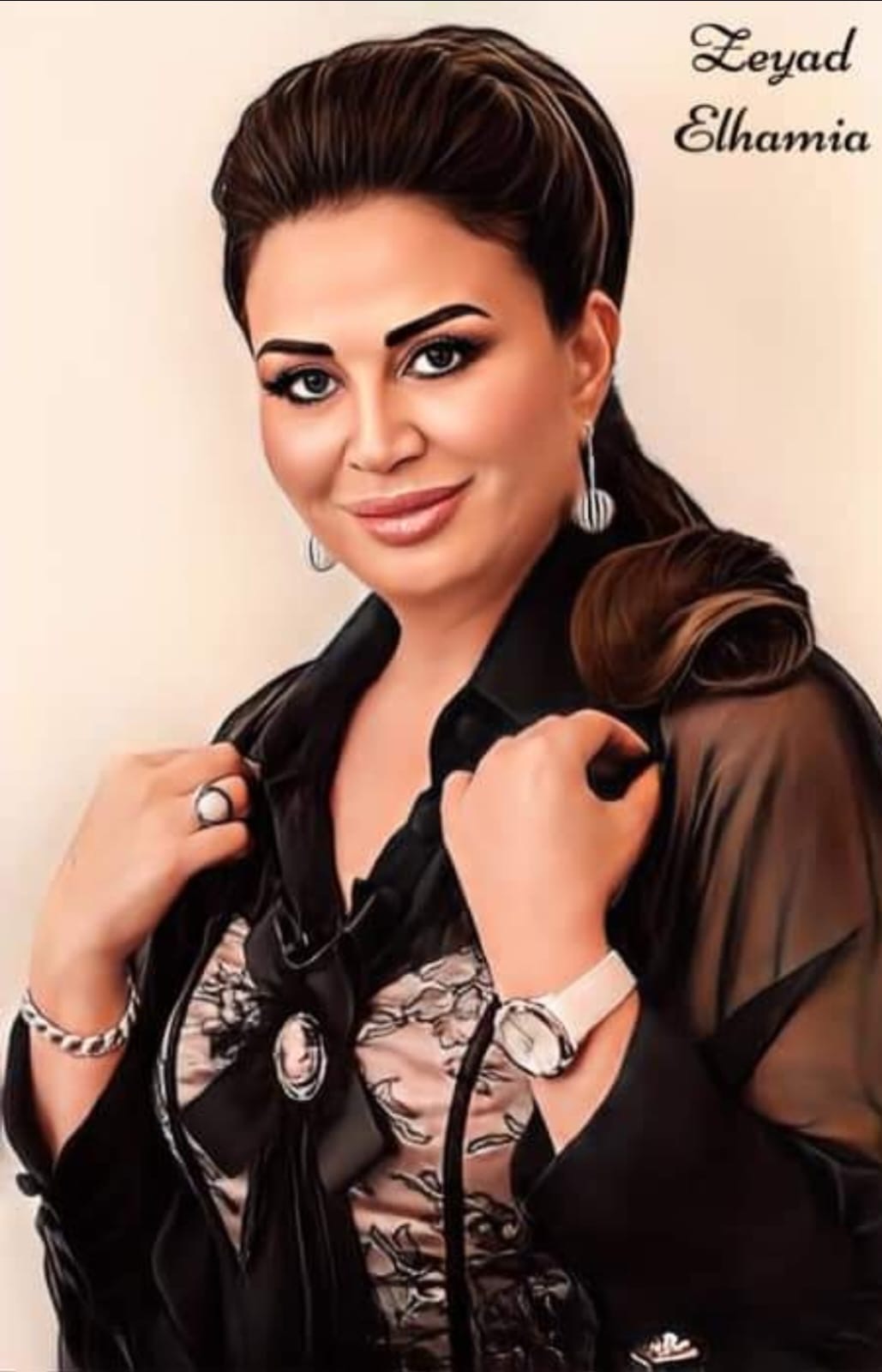
How do you welcome 2026, personally and professionally?
I hope it will be a year of greater calm and humanity, one that brings safety and peace to all. Artistically, I look forward to sincere and distinctive projects. Personally, I dream of a kinder, more compassionate world, where art remains a living conscience rather than a fleeting voice.