

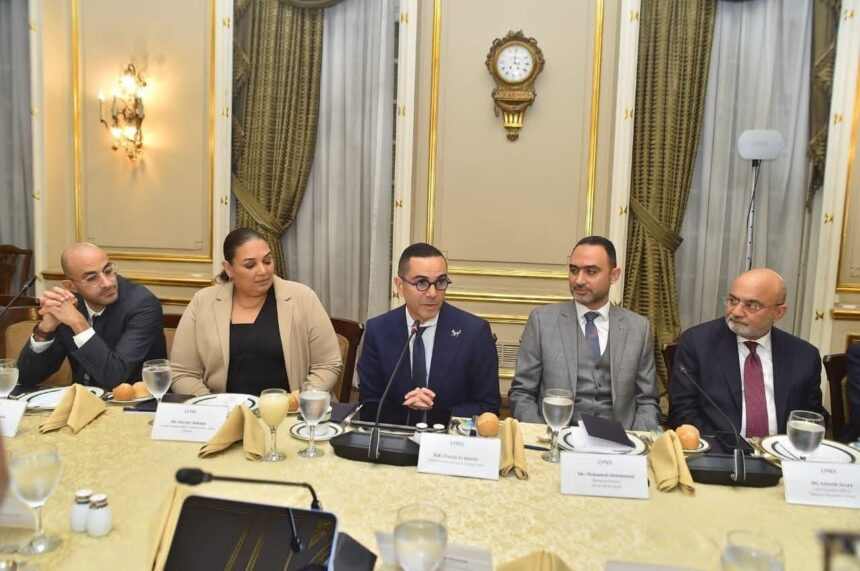
Hassan El-Khatib, Minister of Investment and Foreign Trade, announced that Egypt is preparing to enter a new phase of institutional development aimed at achieving the full digital transformation of government and investment services. He said the Ministry is currently working on the launch of a unified digital business platform that will integrate company incorporation, licensing, payments, and financial and customs obligations into a single, comprehensive system.
The platform is designed to significantly reduce the number of procedures and the time required to complete them, enhance transparency and efficiency, and strengthen trust between the State and investors.
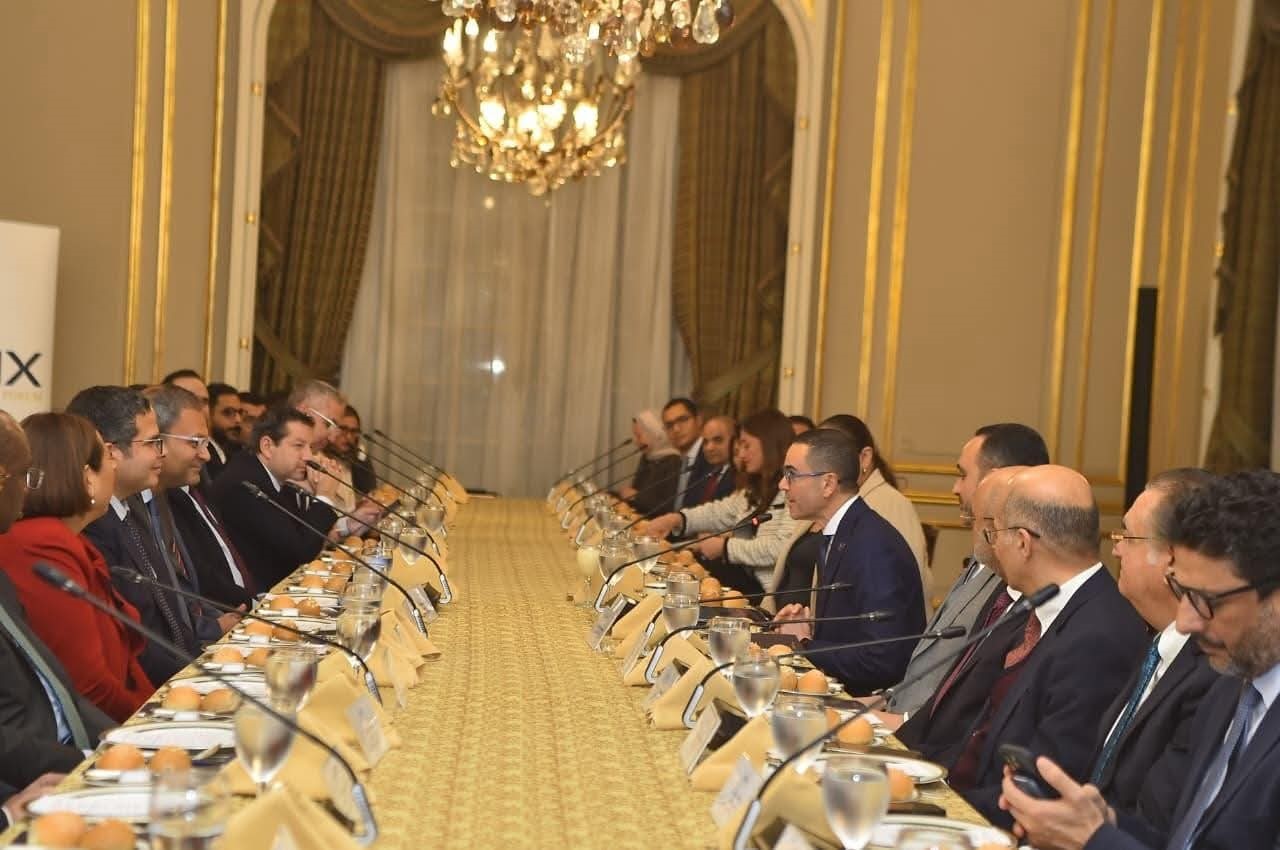
El-Khatib made the remarks during a forum organised by Lynx Consulting, attended by Mohamed El-Gouski, Assistant Minister of Investment and Foreign Trade for Planning, Development, and Digital Transformation; Amani El-Wassal, Head of the Agreements and Foreign Trade Sector; Mohamed Hanafi, Managing Director of Lynx Consulting; Moataz Yaken, an expert on Egyptian economic affairs; alongside senior ministry officials, business leaders, investors, and private-sector representatives.
During the forum, El-Khatib outlined Egypt’s strategy to improve the investment and trade environment, expand exports to African markets, and enhance trade competitiveness. He highlighted the government’s vision and forward-looking plans to achieve these objectives.
The Minister said Egypt has laid solid foundations in recent years to build a more competitive economy, noting that the government has adopted economic policies characterised by stability and transparency. These policies, he explained, enable investors to make informed decisions with confidence, while providing a clear understanding of the State’s direction and its executive and institutional framework.
On monetary policy, El-Khatib said the primary objective has been to curb inflation and restore monetary discipline. These efforts have borne fruit, with inflation declining to around 11.6% in June 2025. Foreign currency reserves have risen to $50bn, while net foreign assets have shifted from a deficit to a surplus exceeding $10bn.
Regarding fiscal policy, he said the State has focused on rebuilding confidence, easing financial pressures on investors, and improving tax revenues through enhanced collection efficiency and an expanded tax base. These measures resulted in a 35% increase in tax revenues without imposing any new burdens.
El-Khatib also stressed that Egypt has adopted a trade policy based on greater openness to global markets. Reforms have reduced customs clearance time and costs by 65%, with plans to reach a 90% reduction in the coming period, cutting average clearance time to just two days. He added that the removal of several non-tariff barriers has saved the Egyptian economy more than $1.5bn during the current year.
The Minister highlighted Egypt’s key competitive advantages, including low production costs, a large and skilled workforce, advanced infrastructure, and a strategic geographic location. These strengths, he said, reinforce confidence in the economy’s ability to achieve higher and sustainable growth rates with tangible benefits for citizens.
For his part, Mohamed El-Gouski outlined the Ministry’s plans to deepen trade integration with Africa through regional agreements and economic blocs such as the African Continental Free Trade Area (AfCFTA) and COMESA. He also highlighted efforts to strengthen the role of commercial representation offices across African markets and to optimise the use of Jisr Company’s assets.
El-Gouski said the Ministry initially targeted increasing trade exchange with selected African countries based on clearly defined criteria linked to each country’s competitive advantages.
He added that the Ministry has worked to address challenges facing trade expansion in Africa by developing maritime and land connectivity supported by logistics zones; coordinating with the Central Bank of Egypt to strengthen the presence of Egyptian banks on the continent; utilising export rebate programmes to support Egyptian companies; organising trade missions and permanent exhibitions across Africa; and enhancing institutional coordination by unifying the roles of entities involved in foreign trade.
The forum concluded with an extensive interactive discussion addressing key issues related to boosting Egypt’s export competitiveness, policy frameworks, and private-sector perspectives. Participants also explored opportunities to expand exports to Africa, required logistics and financing solutions, and ways to promote sustainable and green exports in line with the standards of emerging African markets.


