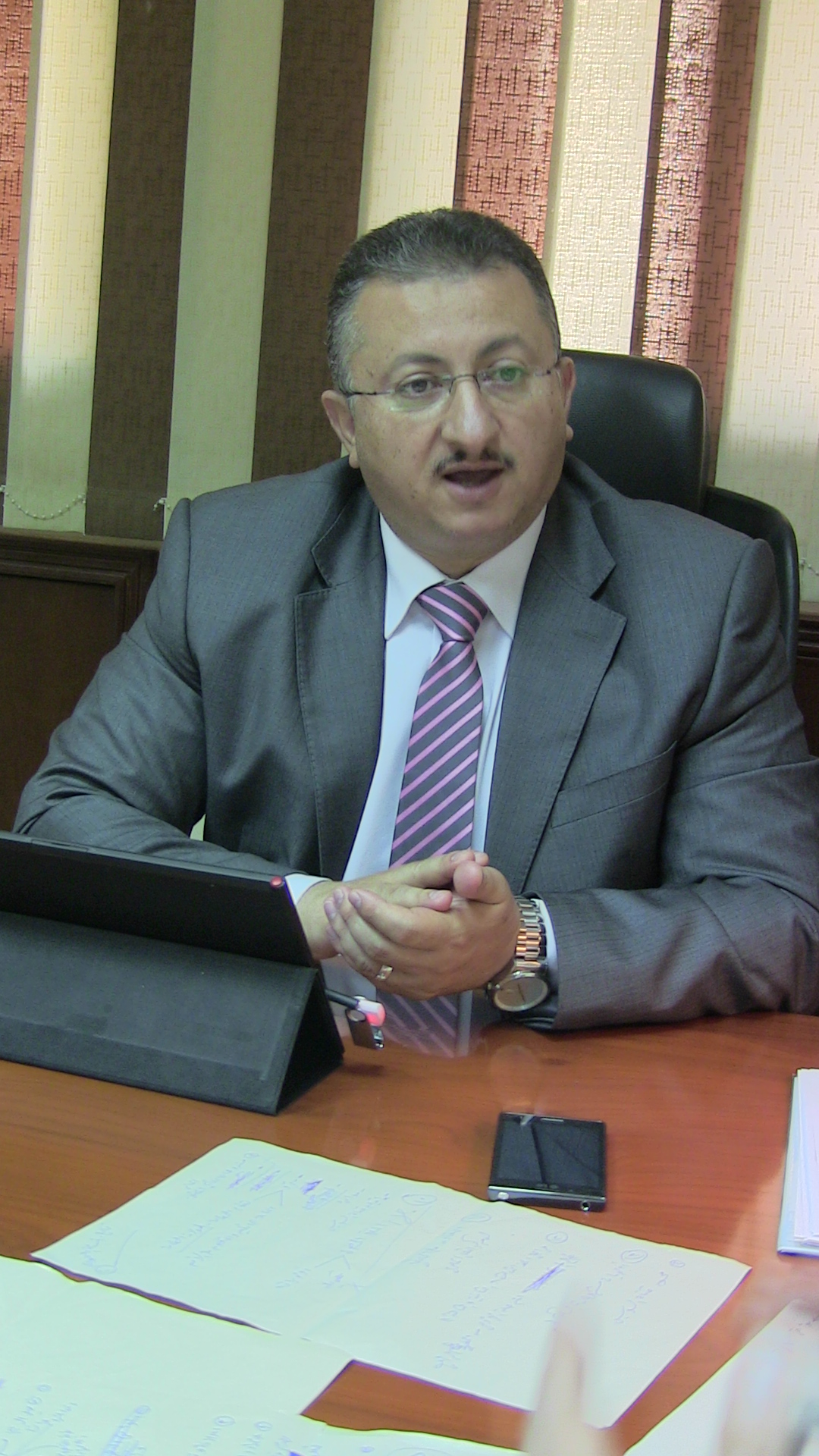

Egypt’s per-capita water availability has fallen to around 472 cubic metres a year, Water Resources and Irrigation Minister Hani Sewilam said, as the government expands the use of technology in water management and prepares to establish an electronic monitoring network to track saltwater intrusion along the Mediterranean coast.
Sewilam made the remarks during two events held as part of the ninth Cairo Water Week, one focusing on employment and innovation in the water sector and the other on sustainable water use and coastal protection.
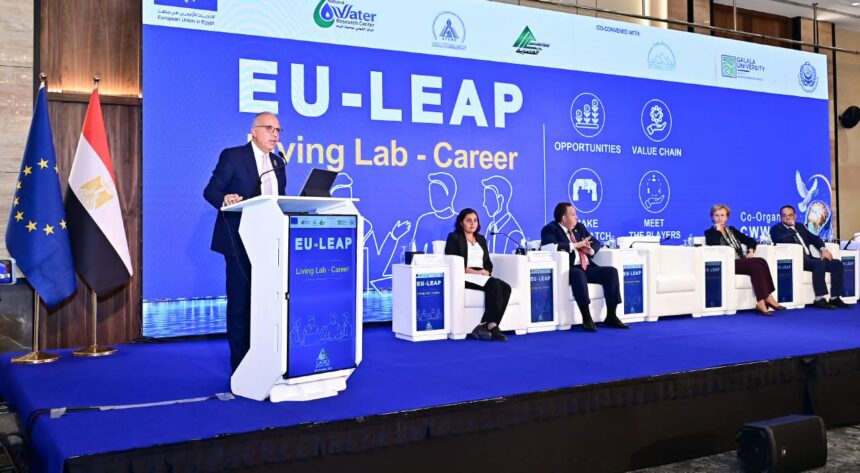
Speaking at a session organised by the EU-LEAP programme, Sewilam said Egypt relies on the Nile for more than 98% of its freshwater resources, adding that declining per-capita water availability had heightened the need for more efficient water management.
He noted that the ministry was expanding smart irrigation applications in cooperation with the Spanish Agency for International Development Cooperation in five areas across the Nile Delta and Upper Egypt.
The ministry is also developing desalination technologies for intensive food production using renewable energy and studying potential economic uses for brine generated by desalination plants.
Sewilam explained that these areas could create opportunities for start-ups, engineers and researchers, particularly in artificial intelligence, data analysis, remote sensing, monitoring equipment and decision-support systems.
He said Egypt’s National Water Research Center, through its 12 specialised research institutes, was working with universities and private companies to develop and test technologies for application in the water sector.
The ministry is also preparing guidelines for private-sector participation in water projects to clarify responsibilities and ensure that investment remains aligned with state priorities and the public interest.
At a separate workshop organised in cooperation with the DHI Institute, Sewilam said Egypt’s Mediterranean coastline stretches for around 1,200 kilometres, with the Nile Delta – a major agricultural area – lying directly behind much of it.
He said an integrated coastal zone management plan developed in cooperation with the UN Development Programme and the Green Climate Fund had assessed risks through 2100, including coastal flooding, erosion, sedimentation and saltwater intrusion into groundwater aquifers.
Egypt’s Shore Protection Authority has carried out coastal protection works worth more than EGP 21bn at current prices, including around 69 kilometres of protection projects using materials described by the ministry as environmentally friendly.
Sewilam said saltwater intrusion into groundwater and coastal soils was among the less visible risks associated with sea-level rise. He called on international institutions and development partners to help design and finance a multi-depth electronic monitoring network along Egypt’s Mediterranean coast.
The proposed system would provide real-time data on groundwater levels and salinity and support a broader plan to manage coastal aquifers. This would include pilot projects for aquifer recharge, controlled groundwater extraction, and the protection of coastal lakes and wetlands.