


The Central Bank of Egypt (CBE) has revealed that its net international reserves increased by $5.896bn during the first nine months of 2026, reaching $57.348bn in September, compared with $51.452bn in December 2025.
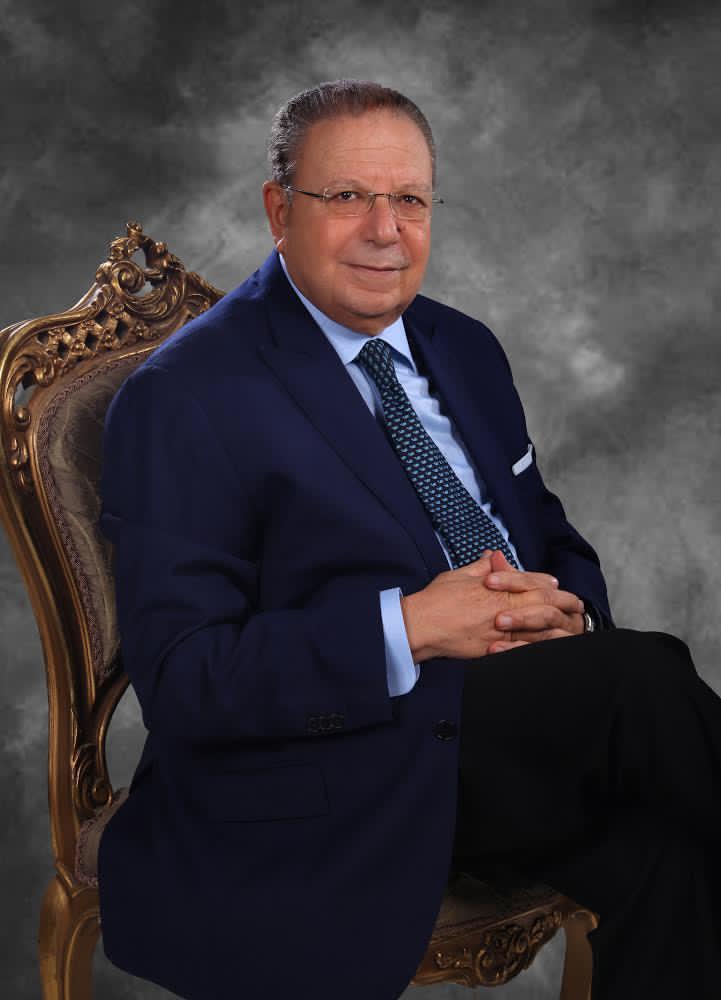
According to renowned banking expert Mohamed Abdel Aal, Egypt’s foreign exchange reserves comprise a diversified basket of major international currencies, including the US dollar, euro, pound sterling, Japanese yen, and Chinese yuan. These currencies are allocated in line with the CBE’s strategy for managing liquidity and maintaining a balance between exchange rates and stability in global markets.
He noted that net reserves continued their upward trajectory for the 49th consecutive month, reaching $57.350bn in September 2026, compared with approximately $57.214bn in August, an increase of $136m and monthly growth of around 0.24%.
Although this monthly increase may appear modest in numerical terms, Abdel Aal said a closer examination reveals implications that extend beyond the size of reserves to their quality.
He stressed that the strength of the Egyptian economy’s external position no longer depends solely on the level of reserves, but is increasingly supported by an integrated set of positive indicators.
He explained that improvements in funding sources reflect a structural development in the Egyptian economy’s external position, which international institutions and credit rating agencies monitor as a more accurate measure of economic resilience and the ability to absorb shocks.
In August 2026, the banking sector’s net foreign assets rose to $31.2bn, their highest level since January 2020, supported by an increase in commercial banks’ net foreign assets to $12.4bn, alongside a rise in the CBE’s net foreign assets to $18.8bn.
According to Abdel Aal, these figures carry significant implications, indicating that the improvement in international reserves is no longer confined to the CBE’s balance sheet, but is also supported by the banking system as a whole, with foreign assets exceeding external liabilities, making the improvement more sustainable.
He added that the recovery was not limited to banking assets, but extended to actual sources of foreign currency.
Remittances from Egyptians working abroad recorded notable growth of 28.1% during the first seven months of 2026, reaching $29.7bn, compared with $23.2bn during the same period last year.
At the same time, the tourism sector maintained its performance, generating revenues of $12bn during the first eight months of the year, an increase of approximately 1.7%.
In foreign trade, Egyptian exports continued to grow, reaching $31.9bn during the first seven months of 2026, exceeding the $29.9bn recorded during the corresponding period last year.
Suez Canal revenues also recorded a noticeable improvement in the second quarter of the year, reaching $1.26bn, compared with around $1.1bn in the first quarter, representing growth of 13%.
Abdel Aal said the continued accumulation of reserves over 49 consecutive months represents more than a financial figure. It constitutes a cumulative line of defence that strengthens the economy’s ability to withstand financial and geopolitical shocks and fluctuations in energy markets, gives monetary policymakers greater flexibility, and reinforces the confidence of international institutions.
He noted that a particularly striking development was the growth in reserves despite a decline in the dollar value of their gold component, which stood at $17.46bn in September 2026, down by $1.6bn as global gold prices fell by more than $270 per ounce.
However, the increase in the liquid foreign-currency component fully offset this decline, highlighting the flexibility of the reserve composition as an additional strength in managing the reserve portfolio.
Addressing recurring questions about the adequacy of reserves, Abdel Aal said the modern professional approach goes beyond identifying a safe level of reserves to determining the optimal level, assessed according to import coverage, short-term external debt, and the nature of capital flows.
He noted that the real challenge is not to maximise reserves without limit, but to strike a careful balance between security, liquidity, and investment returns.
Looking ahead to the final quarter of 2026, Abdel Aal said that, with foreign currency inflows continuing and the foreign exchange market remaining stable, there appeared to be scope for reserves to maintain their upward trend, although the pace of growth would remain dependent on geopolitical developments and global energy prices.
Abdel Aal stressed that foreign exchange reserves are more than figures recorded on the Central Bank’s books. They serve as a safety valve that is reshaping market confidence in the Egyptian economy.
He said the continued upward trend was undoubtedly the result of carefully considered monetary and fiscal policies that strengthen the country’s economic security.


