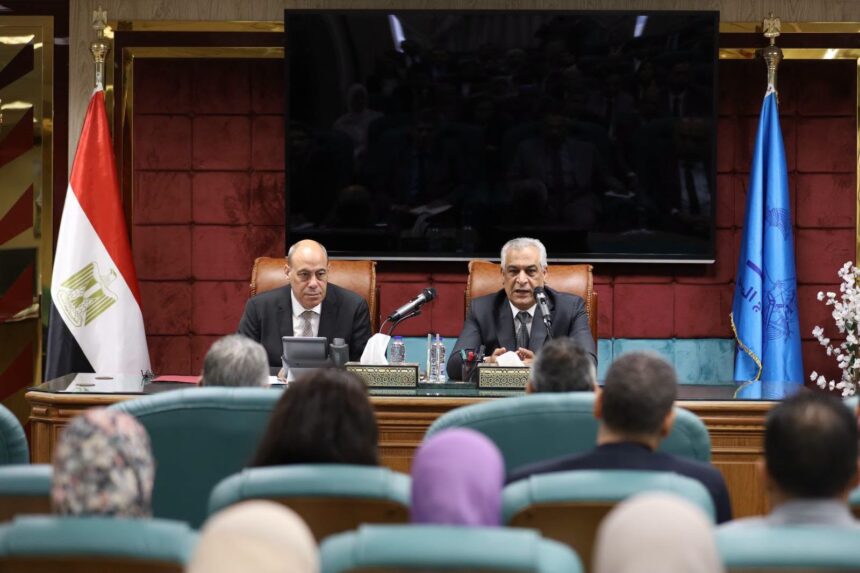
Salah Gamblat, Minister of State for Military Production, said the state, under the leadership of President Abdel Fattah Al-Sisi, places great importance on maximising the value of its assets and industrial capabilities, localising industry, and strengthening partnerships with the private sector.
He said this requires companies affiliated with the Ministry of Military Production to continue modernising their operating systems, pursue new investment opportunities that generate added value, and increase their contribution to supporting the national economy.
His remarks came during a meeting with assistant chairpersons of the boards of directors of the ministry’s affiliated companies and units. The meeting was held as part of the ministry’s strategy to enhance the operational performance of its affiliated companies, strengthen executive leadership, achieve higher productivity, and maximise the use of its industrial and technological capabilities.
During the meeting, Gamblat said the assistant chairpersons represent a carefully selected group of highly qualified professionals who are expected to lead development efforts within their respective companies. He stressed that the next phase requires each assistant chairperson to make a tangible contribution by improving operational efficiency and helping achieve the strategic objectives of their company.
The minister said the development of affiliated companies can only be achieved through teamwork, integration across all administrative and executive levels, effective utilisation of accumulated expertise, and the adoption of innovative and practical ideas capable of generating tangible economic returns. He affirmed that the ministry will continue to support serious initiatives that contribute to improving performance and increasing productivity.
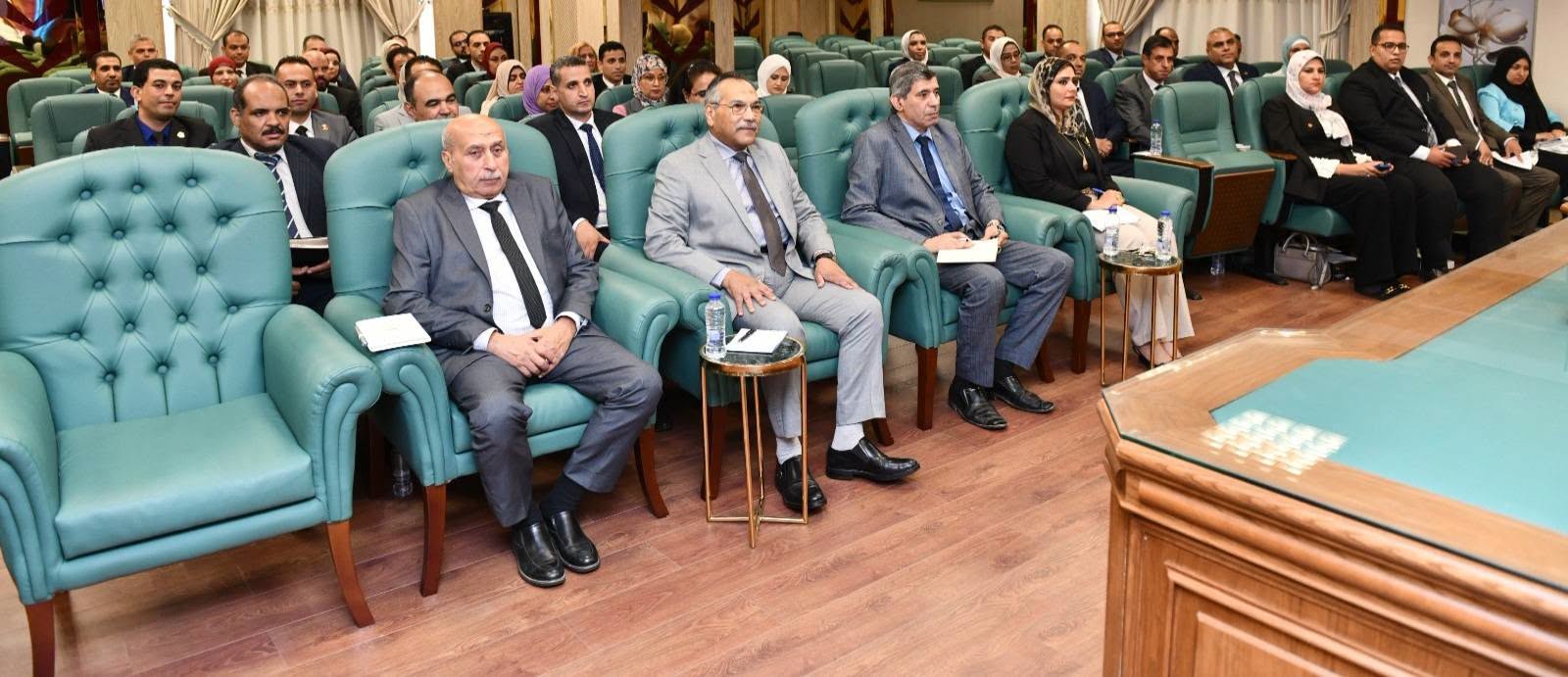
Gamblat also reviewed proposals and ideas presented by the assistant chairpersons, directing that all viable proposals be thoroughly assessed and that obstacles affecting production levels be addressed. He also stressed the importance of drawing on the expertise of existing employees and technicians while encouraging innovative thinking to develop non-traditional solutions that support the ministry’s modernisation efforts.
He further emphasised the need to adopt key performance indicators (KPIs) to measure performance within each company, establish cost centres to evaluate employee productivity, optimise workforce allocation, and improve resource utilisation, thereby increasing production and strengthening financial performance.
The minister also highlighted the importance of investing in human capital as the foundation of sustainable development through the implementation of training and capacity-building programmes in cooperation with academies and educational institutions. He called for maximising the use of existing manufacturing and technological capabilities, utilising surplus production capacity to manufacture products with strong economic returns, and contributing to national projects and presidential initiatives, foremost among them the Hayah Karima initiative.
Concluding the meeting, Gamblat reaffirmed the ministry’s commitment to supporting assistant chairpersons and empowering them to lead development efforts across affiliated companies. He also stressed the importance of fostering a culture of excellence by recognising outstanding performers and linking incentives and bonuses to productivity and measurable results, thereby supporting the comprehensive development of the ministry’s affiliated companies and strengthening their contribution to the national economy.