Egypt has allocated EGP 35bn in public investments for the North and South Sinai governorates during the fiscal year (FY) 2025/26 and FY 2026/27, Minister of Planning and Economic Development Ahmed Rostom said on Saturday.
North Sinai will receive EGP 25bn of the investment plan over the current and upcoming fiscal years, while South Sinai is allocated EGP 10bn, Rostom said in a statement. He noted that 59% of the investments directed to the two governorates will focus on “human development” and building the individual, with the remaining 41% allocated to infrastructure projects.
The announcement coincided with Egypt’s celebrations of the 44th anniversary of the liberation of Sinai. Rostom stated that the state has invested heavily since 2014 to develop the peninsula, making development “the real shield to preserve the land”.
He added that Sinai holds an exceptional place in the heart of every Egyptian after being “watered by the blood of martyrs”, noting that construction and development continue rapidly to affirm the geographical, historical, and strategic importance of the area.
The minister emphasised the government’s commitment, under the leadership of President Abdel Fattah Al-Sisi, to expand comprehensive development and increase investment in human capital.
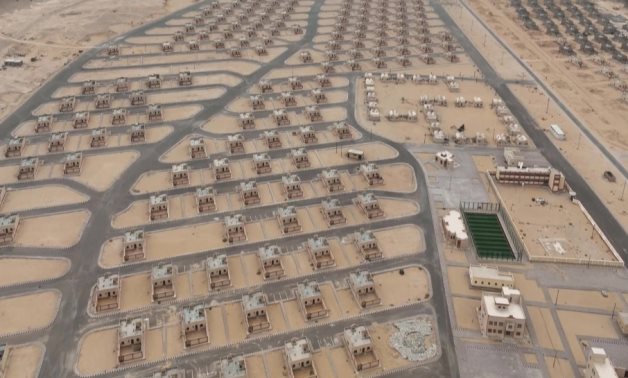
Reviewing development efforts, Rostom cited the comprehensive development of the Al-Arish seaport and the establishment of several developmental and urban communities. In the healthcare sector, he pointed to significant upgrades to hospitals and primary care units, specifically naming the New Rafah Hospital, alongside hospitals in Al-Arish General, Sheikh Zuweid, Baghdad, and Bir Al-Abd. The electricity sector has also been supported through the construction of transformer stations in Al-Masaeed and Baghdad.
The government has also directed substantial investments to upgrade road networks and transport infrastructure to facilitate passenger movement, freight transport, and tourism.
Highlighting water and agricultural security, Rostom noted an unprecedented boom in water resources through strategic seawater desalination projects. These include the Al-Arish desalination project, five plants in South Sinai, and two plants in the new cities of Rafah and Bir al-Abd.
Furthermore, the state has expanded tertiary wastewater treatment projects to increase agricultural land, primarily through the Bahr El Baqar drain water treatment system and the Al Mahsamma plant.
Rostom concluded the statement by affirming ongoing efforts to maintain Sharm El-Sheikh as a global tourist destination and a “green city” adhering to environmental standards. The government is working simultaneously to improve the climate for increased private sector participation in both governorates to ensure sustainable development and providedecent job opportunities for local residents.