Egypt is moving to strengthen its rental housing market as part of broader efforts to address affordability challenges and make better use of a large stock of vacant residential units. The government’s plan to offer housing under a monthly rental system signals a shift towards more flexible solutions amid rising property prices and declining purchasing power.
The initiative follows a meeting chaired by Prime Minister Mostafa Madbouly to review mechanisms for implementing directives issued by President Abdel Fattah Al-Sisi. It aims to provide suitable housing options for citizens unable to purchase homes, while reinforcing the state’s social protection framework.
Officials are preparing a comprehensive rollout framework, including the number of units, their geographic distribution across governorates, eligibility criteria, and payment mechanisms, ahead of submission for final approval.
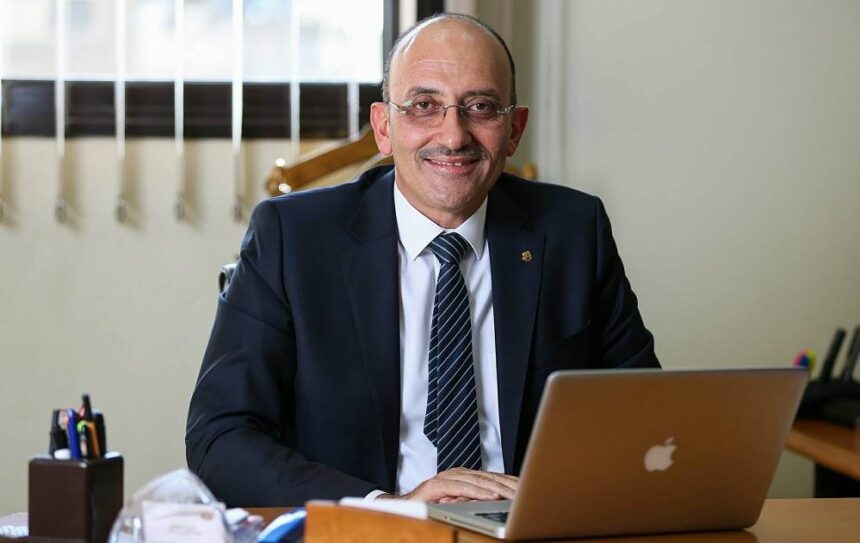
Market participants say expanding rental housing could help address supply-demand imbalances, particularly given the significant inventory of unused units. Alaa Fekry, First Deputy Head of the Real Estate Development Committee at the Egyptian Businessmen’s Association and Chairperson of Beta Developments, noted that activating the rental market could help absorb this surplus and support price stability.
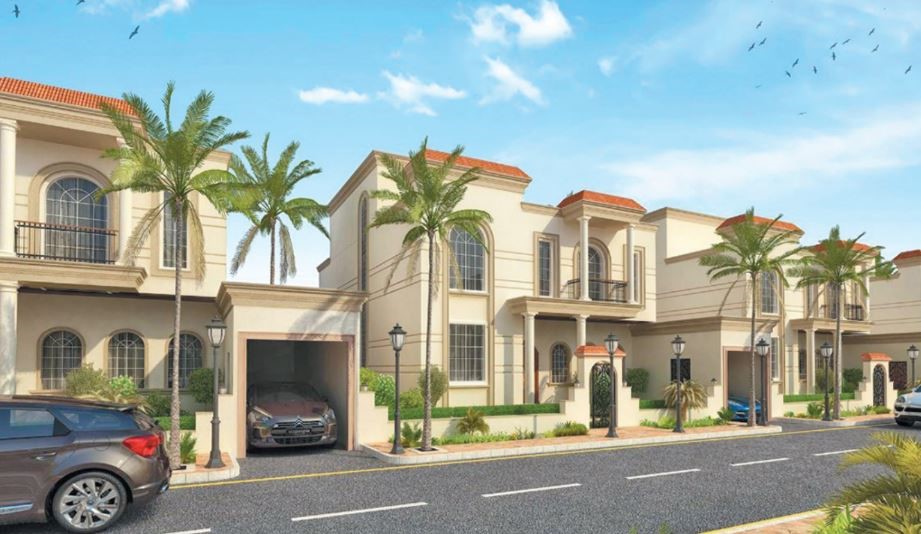
He highlighted that offering fully finished units is critical to ensuring rapid occupancy and boosting rental supply. The availability of ready-to-use units – whether provided by the state or private owners – would, in his view, encourage landlords to bring vacant properties into circulation, improving overall market efficiency.
Fekry added that the policy could also incentivise investors to acquire properties for rental purposes, generating additional investment activity while supporting demand.
At the same time, he called for measures to address the issue of unfinished and idle units, including reconsidering tax exemptions on semi-finished properties or introducing annual levies on vacant units, particularly for owners holding multiple properties. Such measures, he said, would encourage owners to complete and utilise their assets rather than leave them unused.
He pointed out that many residential units remain vacant despite substantial public investment in infrastructure and services, particularly in new urban communities. Bringing these units into use would enhance returns on these investments and support more balanced urban development.
Fekry also suggested requiring developers to deliver fully finished units to accelerate occupancy rates and facilitate rental activity.
As the government moves forward with its plans, the expansion of rental housing is expected to play a key role in improving accessibility, stabilising the real estate market, and promoting more efficient use of existing housing assets.