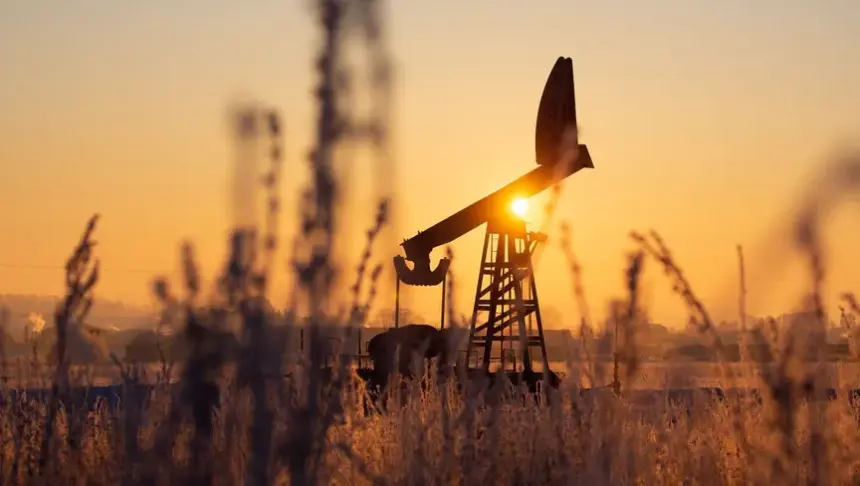
Global oil markets sent a clear signal this week that a massive release of 400 million barrels of stockpiled crude by the United States and its allies is not enough to address the unprecedented supply disruption triggered by the war with Iran. Crude prices have surged more than 17% since the International Energy Agency (IEA) announced the emergency release on Wednesday, with Brent oil prices closing above $100 on Friday for the second session in a row.
The oil market is currently facing its worst supply upheaval in history with no signs of receding, as crude prices have jumped approximately 40% since the outbreak of the conflict. While traders initially believed the closure of the Strait of Hormuz might be short-lived, market participants are now bracing for a longer-term disruption. Iranian leader Mojtaba Khamenei used his first remarks since taking office last week to state that his country should keep the waterway closed.
In response, US President Donald Trump posted on social media that preventing Iran from possessing a nuclear weapon is more important to him than rising oil prices. This comes as the U.S. leads the largest-ever global withdrawal from emergency stockpiles, contributing 172m barrels—or 43% of the total IEA release—from its Strategic Petroleum Reserve. The 400m barrel flood, involving more than 30 nations across Europe, North America, and Northeast Asia, represents the largest release in the IEA’s 50-year history.
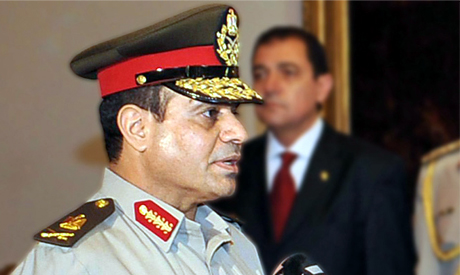
Egypt is moving on several levels to secure fiscal and energy resilience in anticipation of further repercussions from the war. Finance Minister Ahmed Kouchouk told a forum hosted by the National Front Party that the country will increase reserve allocations in the budget for the next fiscal year, beginning in June, to 5% of total spending from the current 3%. Kouchouk stated the move is intended to “provide fiscal space to deal with the potential economic repercussions of the Iran war.” He added that the government has negotiated with international financial institutions to secure additional funding that can be accessed within days if needed.
The Egyptian government is also preparing for a new round of wage increases for public employees to counter inflation and rising energy costs. Domestic petroleum prices have risen by between 14% and 30% following the global energy spike triggered by the conflict between the U.S. and Israel on one side and Iran on the other.
Petroleum Minister Karim Badawi told the same forum that while energy supplies have not been directly affected, the government may allow the private sector to import liquefied natural gas (LNG) “if the need arises.” Badawi noted a current “abundance and diversity” of supply sources and stated that Egypt has not been impacted by the halt of production at gas liquefaction plants in some Arab countries due to diverse shipments arriving via the Mediterranean. Egypt secures its oil requirements through two main routes: the Red Sea via the port of Yanbu in Saudi Arabia, and the Mediterranean via Suez Canal shipments.
To further bolster energy security, Egypt has operationalised its electricity interconnection project with Saudi Arabia, allowing for a daily exchange of power. The project’s total capacity is 3,000 MW across two stages, with the first stage providing 1,500 MW. Kouchouk confirmed that negotiations are underway to introduce new energy projects before next summer. Egypt is also pursuing plans for interconnection with Greece and Cyprus to export renewable energy to Europe, alongside existing links with Libya, Sudan, and Jordan.
In the health sector, Minister Khaled Abdel Ghaffar confirmed that approximately 55% of the production requirements for Egyptian pharmaceutical factories are currently in stock, representing a supply sufficient for one year. “If the crisis is prolonged, we may be affected in the future, but currently we have enough production supplies,” Abdel Ghaffar said.