Reaffirming its sustainable growth trajectory and strengthening its position within Egypt’s banking sector, the Housing and Development Bank (HDB) concluded 2025 with robust financial and operational results. The performance reflects the effective implementation of its strategic direction for the 2025-2030 period and underscores its ability to deliver balanced, sustainable growth across all business segments.
Strong growth rates
The bank recorded strong growth in its 2025 business results. Standalone financial statements show that net profit before income taxes and provisions rose to EGP 24.366bn, compared with EGP 16.855bn in 2024–an increase of EGP 7.511bn, representing growth of 44.6%.
Standalone net profit after income taxes reached EGP 17.206bn, up from EGP 11.040bn in 2024–an increase of EGP 6.166bn, representing growth of 56%.
Executing the strategic plan
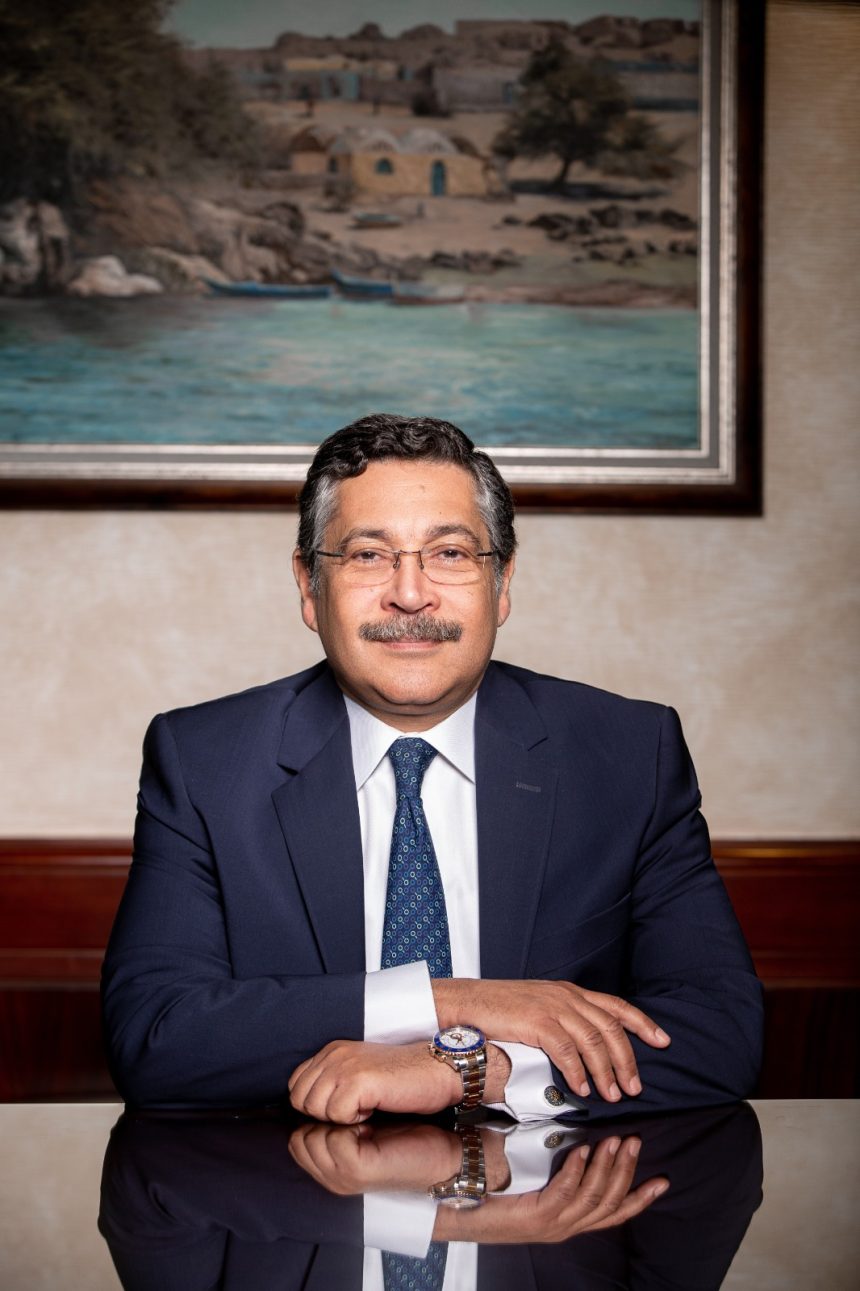
Hassan Ghanem, Chief Executive Officer and Managing Director of Housing and Development Bank, expressed pride in the bank’s continued achievement of record results by the end of 2025. He said the results clearly demonstrate the successful execution of the bank’s strategic plan, which has reshaped its trajectory and delivered record performance in the first year of the 2025–2030 strategy.
He added that the results highlight the bank’s ability to seize market opportunities and convert them into tangible achievements, supported by strong institutional agility and efficient resource management. This has enhanced returns and further strengthened the bank’s financial position.
Ghanem stressed that the performance indicators achieved in 2025–whether in maximising profitability, expanding the business base, or maintaining asset quality and prudent risk management–reflect a balanced approach that combines optimal returns with controlled risk levels.
He noted that the bank’s strategy serves as an integrated roadmap for a qualitative transformation, focused on improving operational efficiency, enhancing business quality, and developing a more flexible and sustainable operating model.
Strengthening a culture of innovation
Ghanem affirmed that the bank continues to pursue its vision of becoming one of the leading banking choices in Egypt’s market by fostering a culture of innovation and delivering advanced financial solutions tailored to customers’ evolving needs.
He said the bank is committed to enhancing customer experience and building long-term relationships based on trust, thereby creating added value for all stakeholders.
The bank remains focused on improving operational efficiency and proactively managing funding costs. By maximising available opportunities and ensuring disciplined resource management, it achieved tangible improvements in financial performance.
Net operating income rose 44.8% to EGP 29.756bn by end-2025 compared with end-2024. Net profit after provisions and income taxes reached EGP 17.206bn–an increase of EGP 6.166bn, representing growth of 56% year-on-year–reflecting the effectiveness of operating policies and the bank’s strategic direction in transforming challenges into growth opportunities.
Customer-centric growth
The CEO emphasised that customer satisfaction remains central to the bank’s strategy. By understanding customer aspirations and responding with flexibility and efficiency, the bank expanded its customer base and increased market share.
This approach strengthened customer confidence and encouraged investment across a diversified portfolio of banking products and services. Customer deposits rose 24% to EGP 179.128bn by end-2025, compared with EGP 144.959bn in 2024, an increase of EGP 34.169bn.
Institutional deposits reached EGP 74.877bn, representing growth of 16.1%, while retail deposits increased to EGP 104.249bn, marking growth of 29.5%, driven by the attraction of individual savers across different regions and age groups.
Sustainable asset growth
Ghanem stated that the bank continues to consolidate its leading position in Egypt’s banking sector, supporting sustainable asset growth.
Total assets rose to EGP 229.804bn, compared with EGP 179.456bn–an increase of EGP 50.348bn, representing growth of 28.1% in 2025. Growth was driven by expansion in both retail and corporate loan portfolios.
Total loans reached EGP 65.717bn, representing growth of 17.4%. Corporate and institutional loans rose to EGP 32.784bn–an increase of EGP 4.424bn, or 15.6%–while retail loans reached EGP 32.933bn, up EGP 5.321bn, representing growth of 19.3%.
The bank reduced its non-performing loan ratio to 4.99% of total loans by end-2025, compared with 6.48% in 2024. The coverage ratio improved to 165.5%, up from 137.1% a year earlier.
Ghanem noted that a 38% increase in interest income and similar revenues, alongside a 24% rise in interest expenses on deposits and similar costs, led to net interest income rising to EGP 27.587bn, compared with EGP 18.922bn–an increase of EGP 8.665bn, representing growth of 45.8%.
Strong returns and capital position
The bank delivered solid returns in 2025, supported by effective strategies across its business segments. Return on average equity stood at 55.69%, compared with 55.75% at end-2024, while return on average assets improved to 8.41%, up from 7.25%.
The capital adequacy ratio reached 44.99%, exceeding the minimum requirements set by the Central Bank of Egypt. Tier 1 capital adequacy stood at 43.87%, while Tier 2 capital reached 1.12%, underscoring the bank’s strong capital base and commitment to maximising shareholder value.
Subsidiaries and sustainability focus
On a consolidated basis, net profit after income taxes for the bank and its subsidiaries and sister companies rose to EGP 18.715bn in 2025, compared with EGP 12.454bn–an increase of EGP 6.261bn, representing growth of 50% year-on-year.
Ghanem said this confirms the bank’s success in implementing its strategic plan to develop its group structure and expand investments.
He emphasised management’s continued commitment to embedding sustainability standards across all activities, noting that sustainability forms a core pillar of the bank’s 2025–2030 strategy.
The bank remains committed to adopting recognised best practices in sustainable banking, recognising their critical role in promoting financial stability and advancing the Sustainable Development Goals.
Expanding sustainable finance
In 2025, the bank recorded notable progress in sustainable finance. It allocated EGP 10.126bn to sustainable project financing–up 21% compared with 2024–while its sustainable finance portfolio reached EGP 6.558bn, marking growth of 27%.
These investments span corporate finance, syndicated loans, and small and medium-sized enterprises, reflecting the bank’s ability to translate its sustainability commitments into measurable impact.
Ghanem concluded that the bank is working to establish an integrated banking model that balances strong financial performance with environmental and social responsibility—creating long-term, sustainable value for all stakeholders.