

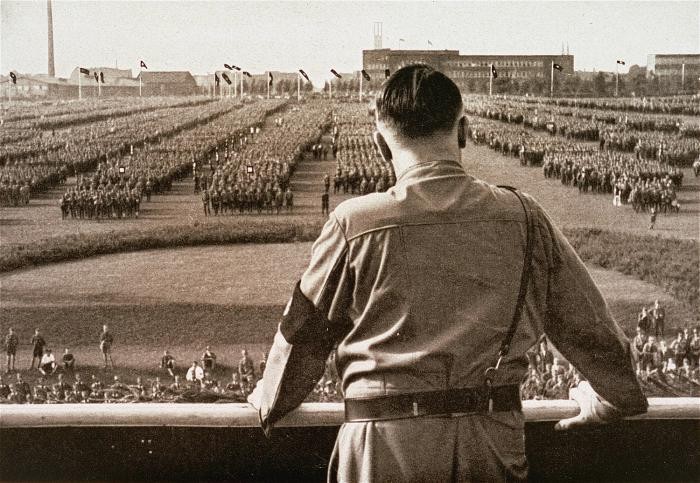
When you visit Berlin, you realise that the past is not buried underground; it walks beside you. During my visit to Sachsenhausen concentration camp, I stood before the iron gate bearing the deceptive inscription “Arbeit macht frei”, “Work sets you free.” I have rarely encountered a lie more brutal than these words when mounted above the gates of hell, where humanity was crushed under the boots of the Nazi regime. I entered the narrow cells and sat on the cold floor. The air felt heavy, not because of the forest’s dampness, but because it breathed memory. Each wall seemed to guard an unforgettable secret.
Then came the Wannsee Villa, that tranquil place overlooking a silent lake, where elegantly dressed officials calmly planned what they called the “Final Solution.” There, I deeply understood what Hannah Arendt meant by the “banality of evil”: criminals are not always raging monsters; sometimes they are polite bureaucrats signing documents and filling out forms.
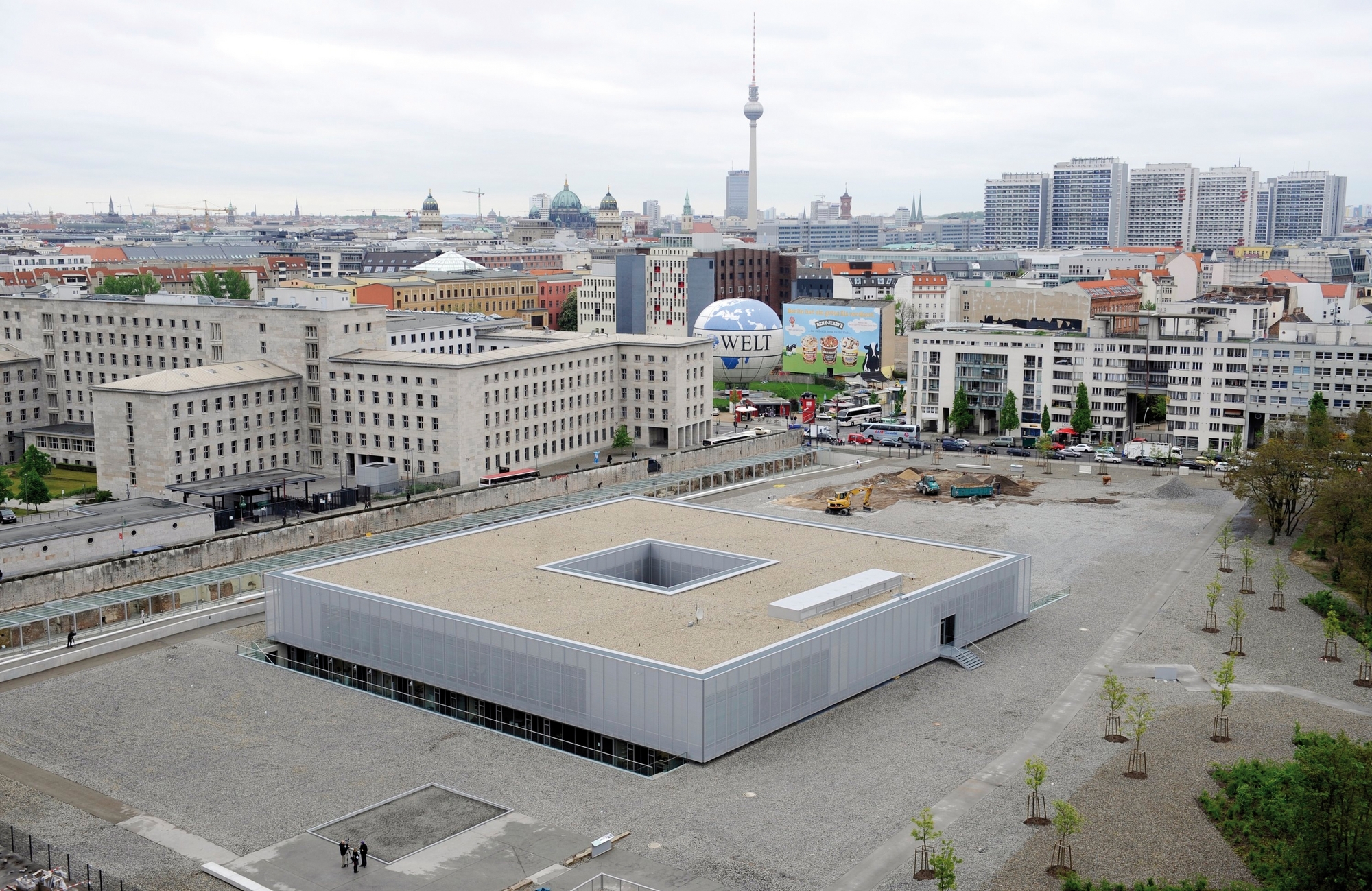
At the Topography of Terror museum in central Berlin, I stood before a merciless archive of photographs, documents, and testimonies. I realised that Germany chose to confront its history rather than erase it, to assume responsibility rather than flee from it. This ethical stance is not symbolic courage; it is a real foundation for rebuilding a modern nation.
Here I asked myself a painful question: why does the perpetrator acknowledge this crime, the victim remembers it, yet a third party, geographically and culturally distant, dares to deny it?
In the Holocaust, the main parties agree: Germany has acknowledged, and Jews remember. In parts of the Middle East, however, denial persists despite the perpetrator’s own admission. Why?
Is it religious intolerance that makes some rejoice in the suffering of others? Political anger that prevents recognition of any opponent’s right to pain? Or a psychological inability to see the “other” as a fully human moral subject?
What is certain to me is that Jews suffered a massive Holocaust, and questioning it is morally indefensible before any political consideration. Yet recognising this truth does not mean monopolising suffering or turning tragedy into exclusive ownership. Jews were not the only victims of Nazism: Roma, people with disabilities, political dissidents, and other communities endured the same brutality. Acknowledging other victims does not diminish the Jewish tragedy; it completes the moral picture and restores its universal human dimension.
Memory should not be selective. When memory becomes a tool of exclusion, it loses its credibility.
And from this perspective, one cannot speak of the humanity of victims in Europe while ignoring the humanity of innocent Arab victims in endless Middle Eastern wars. Defending memory is incomplete unless it becomes a comprehensive commitment to life and dignity, not a permanent license to justify power.
This article is not a political indictment; it is a cultural invitation.
The first concession required from Arabs is not territorial, but psychological: abandoning erasure narratives, letting go of stories that deny the other’s existence, and rejecting a culture that treats denial as resistance. Peace does not begin with agreements; it begins with mutual recognition of humanity.
What I witnessed in Germany was not merely museums and memorials, but a model of how a state can transform memory into public policy and collective consciousness. There, memory is managed as responsibility, not as burden.
My visit to Holocaust sites was not a cultural experience; it was a moral earthquake. It reminded me that humans can be both victims and executioners, and that the silence of the majority can be more dangerous than the actions of the few.
I write this as a cultural thinker from Egypt who believes that justice cannot be built by law alone, but by awareness, and that memory is not a cultural luxury, but a shield against repetition and loss of direction.
What we need in the Arab world is our own “moral archive”: an honest confrontation with our history, our violence, and our denials. We must teach our generations to respect human beings not because they resemble us, but simply because they are human.
The real question is not why the Holocaust happened, but what we do today to ensure it is never repeated, under any name, on any land, against any people. For memory, if it does not become a bridge, it will remain a wall.
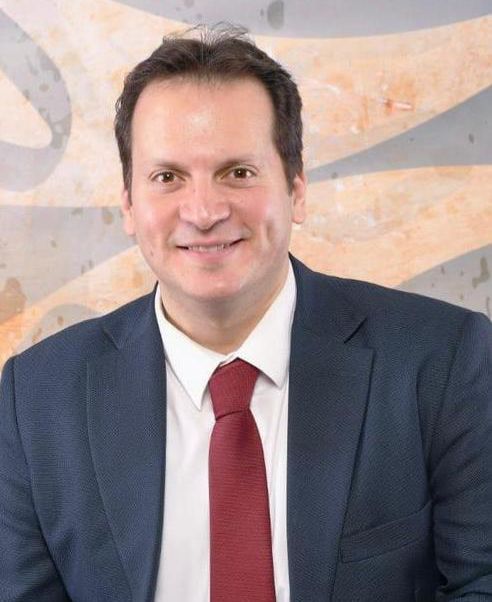
Dr Ramy Galal is an Egyptian writer and academic specialising in public management and cultural policies. He has authored studies on cultural diplomacy, the orange economy, and restructuring Egypt’s cultural institutions.
Galal holds a PHD degree from Alexandria University, a master’s degree from the University of London, and a Diploma from the University of Chile.
A former senator, and former adviser and spokesperson for Egypt’s Ministry of Planning. He was also the spokesperson for the Egyptian Opposition Coalition.
