

Let’s face it: thinking about your roof probably isn’t your favorite pastime. It’s just… there. Until it isn’t. Then, you’re suddenly lost in a maze of contractor lingo, bewildering material samples, and estimates that make you gulp.
But what if we shifted the perspective? This isn’t just about fixing a problem. It’s about making a smart, long-term investment in your biggest asset: your home. This guide is here to help you navigate that investment with clarity, looking beyond the initial price tag to the true value of safety, longevity, and simple peace of mind.
It’s Never Just One Price
If you ask a contractor, “How much does a new roof cost?” the only honest answer is, “It depends.” A host of factors conspires to create your final estimate. Ignoring them is like budgeting for a car without deciding between a compact and an SUV.
First, size and complexity are primary drivers. Roofers price by the “square,” a unit of 100 square feet. A simple, large, open roof will have a lower cost per square than a smaller roof dotted with chimneys, skylights, dormers, and steep pitches. These complexities require more labor, more time, and more specialized work.
Second, material choice is where costs can diverge dramatically. Here’s a quick breakdown of common residential options:
| Material | Average cost per square | Expected lifespan | Key considerations |
| 3-tab asphalt shingles | $350 – $550 | 15-25 years | Most economical, widely available, but basic in appearance and durability. |
| Architectural asphalt shingles | $450 – $900 | 25-30 years | Premium look with dimensional texture, better wind resistance, and superior warranty. |
| Metal roofing | $800 – $1,400 | 40-70 years | Excellent longevity, energy-efficient, great for snow, and higher upfront cost. |
| Wood shakes | $900 – $1,600 | 25-30 years | Stunning natural aesthetic, requires maintenance, not allowed in all fire zones. |
| Synthetic slate | $1,000 – $2,000 | 50+ years | Mimics slate beautifully without the extreme weight or cost, highly durable. |
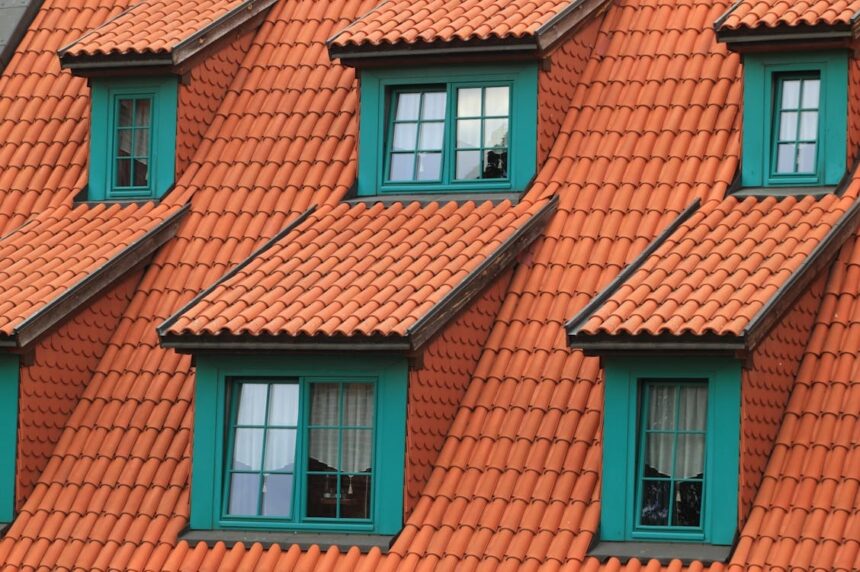
| Clay/concrete tile | $1,000 – $2,500+ | 50-100 years | Extremely long-lasting, distinctive look, very heavy, requires reinforced framing. |
Finally, don’t forget the unseen essentials. The tear-off and disposal of your old roof (often $150-$300 per square), decking repair (if rotted boards are discovered), and upgraded underlayment or ventilation systems all add to the bottom line. A low quote might exclude these, leading to stressful surprises mid-project.
From Savings to Incentives
Now that you grasp the variables, let’s talk strategy. Funding a roof upgrade requires looking at your entire financial picture.
Start with a Realistic Budget: Using the table above, you can ballpark your costs. For a typical 2,000 sq. ft. home (approx. 20 squares), a standard architectural shingle roof might range from $9,000 to $18,000. Always add a 10-15% contingency for those inevitable hidden issues. This isn’t pessimism; it’s prudence.
Seek Multiple Estimates: This is non-negotiable. Get at least three detailed, written estimates from licensed, insured, and well-reviewed local contractors. Compare them line-by-line, not just the total. What materials are specified? What’s the warranty on both materials and labor? A reputable pro won’t rush you or pressure you to sign on the spot.
In this initial discovery phase, leveraging technology can provide a powerful starting point. Before you even pick up the phone, using a resource like eRoof’s free online roof quote tool can demystify the early budgeting process. By inputting your home’s basic details, you can get a preliminary, data-driven estimate that helps you walk into conversations with contractors armed with knowledge, making you a more informed and confident consumer.
Explore Financing and “Free Money”
- Cash: Paying upfront avoids interest, but ensure it doesn’t deplete your emergency fund.
- Home Equity Loan/HELOC: Often the best option for major projects, offering lower interest rates and potential tax deductibility (consult a tax advisor).
- Roofing Contractor Financing: Convenient but scrutinize the terms; APRs can be high.
- Tax Credits and Rebates: Energy-efficient upgrades, like certain cool roofs or solar-integrated systems, may qualify for federal tax credits or local utility rebates. The Database of State Incentives for Renewables & Efficiency (DSIRE) is a fantastic resource.
The Hidden Equation: Long-Term Value vs. Immediate Cost
It’s tempting to choose the lowest bid. But the true cost of a roof is measured over decades, not just on installation day. Consider this long-term value equation:
- Durability and Avoided Future Costs: That $12,000 metal roof might be double the cost of shingles upfront. But if it lasts 50 years versus 25, you’ve potentially avoided a second $10,000 replacement in 2050. That’s a net savings, not to mention decades without worry about leaks or failures.
- Energy Efficiency: A roof significantly impacts your home’s thermal envelope. Light-colored “cool” roofs, proper ventilation, and insulated systems can reduce cooling costs by up to 15%. An energy audit can quantify this potential saving for your home.
- Curb Appeal and Resale Value: A new roof is a powerful selling point. According to the National Association of Realtors, a full roof replacement recoups an average of 100% of its cost at resale. A worn roof, conversely, is a major red flag that can scare off buyers or lead to hefty price reductions.
- Warranty Wisdom: A 50-year material warranty is only as good as the company backing it. Research manufacturers. More importantly, a contractor’s workmanship warranty (5-10 years is standard) is critical; it covers leaks from installation errors. The best materials are wasted by poor installation.
Your Action Plan: A Step-by-Step Summary
- Self-Educate: Understand your roof’s basic size, shape, and current issues.
- Get Preliminary Numbers: Use online tools and material guides to establish a realistic price range.
- Research Contractors: Read reviews, check licenses and insurance, and ask for references.
- Secure Detailed Estimates: Get 3+ in-person, written, itemized quotes.
- Ask the Right Questions: “Are you hauling away old materials?” “Will you install ice and water shield?” “How will you protect my landscaping?”
- Review Financing: Decide on your payment strategy and secure funds.
- Get Everything in Writing: The final contract should include materials (brand, style, color), project timeline, payment schedule, cleanup details, and all warranty information.
- Prepare Your Home: Move vehicles, secure patio furniture, and protect fragile items in the attic from vibration.
Think of a roof upgrade as the ultimate act of caring for your home. It’s a big commitment, for sure. But when you do your homework and hire true pros, you’re not just buying shingles; you’re buying decades of quiet confidence. You’re investing in cozy nights, dry attics, and the simple assurance that your shelter is solid. That’s the real return on investment.


