

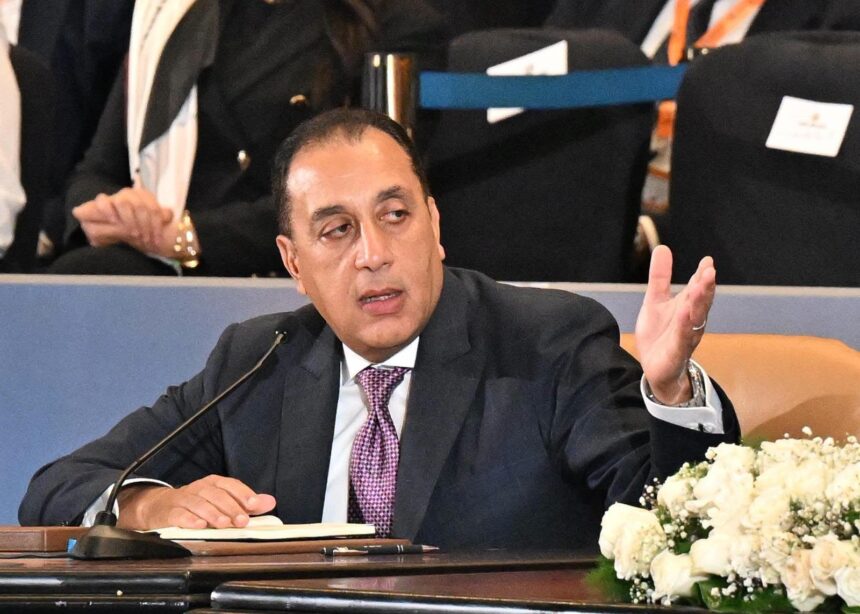
Egypt is preparing to launch a major housing programme covering rental apartments, social housing and projects targeting middle-income households, Prime Minister Mostafa Madbouly said, adding that President Abdel Fattah Al-Sisi will announce the initiative as part of efforts to expand access to affordable housing.
Speaking during a session titled “Market Regulation and a More Effective Social Protection System” on the third day of Egypt Forum 2026, Madbouly said the programme aims to ensure that citizens across different income groups can access suitable housing, with units to be built and delivered over the next four years.
The initiative will combine rental housing with ownership schemes, expanding the options available to households unable to afford units offered by private developers, he added.
Madbouly noted that the government has implemented, is implementing or is completing around two million housing units in recent years, with the majority allocated to social housing and middle-income projects, including Sakan Misr, Dar Misr and Janna.
These programmes allow citizens to purchase homes through payment plans extending to around 20 years, with prices and financing terms designed to improve affordability compared with prevailing market options.
The prime minister said the government recognises that some households cannot afford privately developed housing, making it necessary to diversify housing models and provide alternatives suited to different financial circumstances.
Rental housing to return as a key option
Madbouly said the government is seeking to revive rental housing alongside ownership programmes, following presidential directives to expand housing choices.
He noted that renting was once a common housing model in Egypt but declined from the 1960s and 1970s onwards amid legislation and policies that gradually contributed to an imbalance in the housing market.
The president has previously linked the decline of rental housing to the growth of informal settlements, Madbouly said, stressing the importance of providing diverse housing options to meet demand and help prevent the emergence of informal areas in the future.
He added that rental housing accounts for around 50% of the housing market in many countries, including developed economies, where approximately 50% to 60% of housing units may be rented rather than owned.
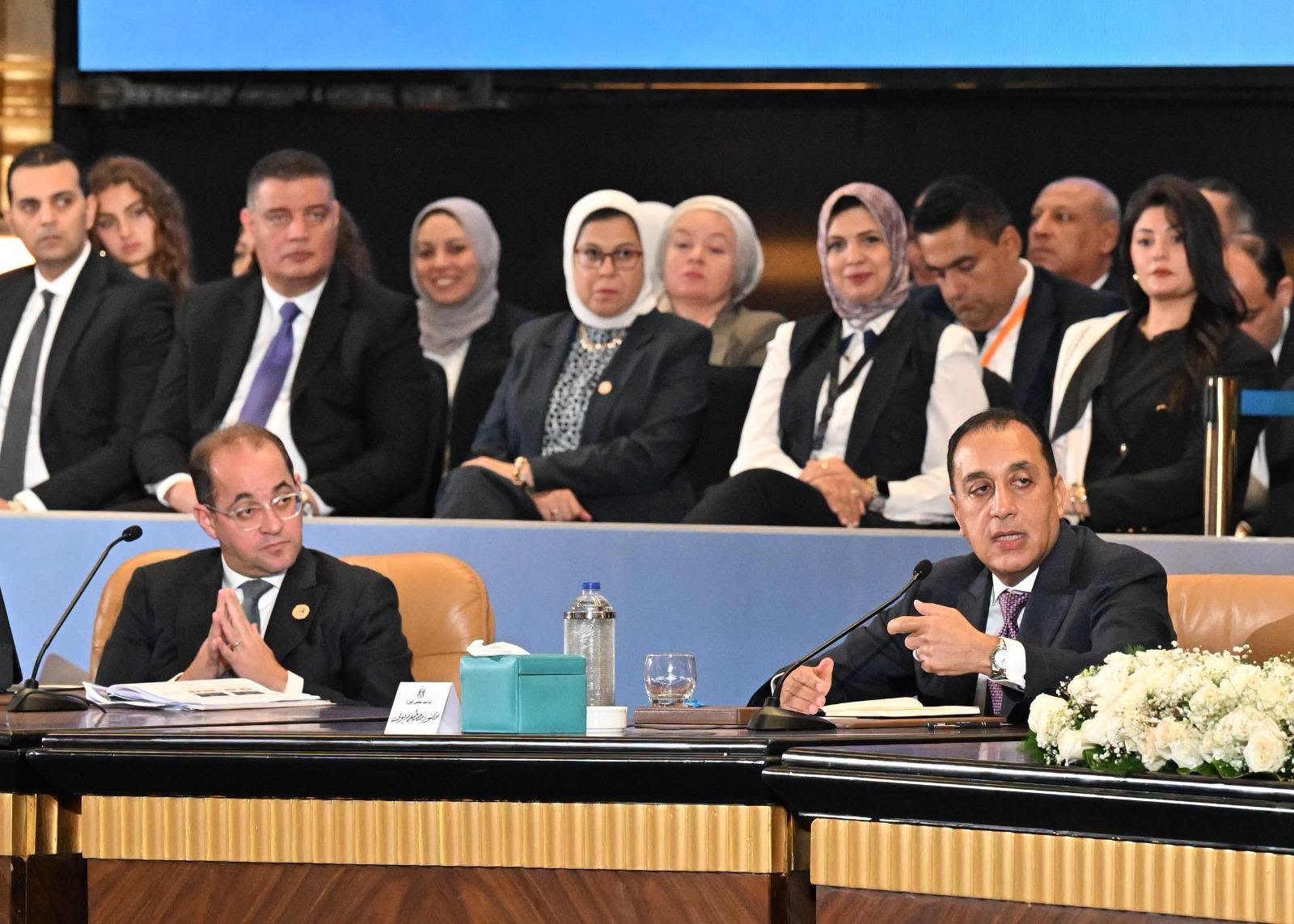
The government is therefore considering rental housing as a central component of its broader strategy to improve affordability and expand access to suitable accommodation.
Madbouly also referred to the president’s announcement a day earlier of plans to offer thousands of rental housing units in the coming period, alongside continued implementation of the presidential initiative Sakan Likol Al-Masryeen, or Housing for All Egyptians, and other social housing projects.
Food subsidy allocations reach EGP178bn
Turning to social protection, Madbouly said the government does not intend to reduce subsidy values or the number of eligible households under the planned transition to a cash-based commodity subsidy system.
Instead, the objective is to ensure that assistance reaches those who qualify and enables families to obtain the essential goods they need.
The current system covers bread and around four basic commodities, while household needs vary. Under the proposed approach, each eligible family would receive a monetary allocation that could be used to purchase essential goods according to its needs.
Madbouly said the programme takes inflation and other economic changes into account, adding that subsidy allocations have increased substantially over the years.
Total allocations for food and bread subsidies stood at around EGP32.8bn in 2013/2014, rising to EGP127bn in 2023, EGP134bn the following year and EGP160bn thereafter. The total reached approximately EGP178bn in 2026, he said.
The government will continue increasing allocations in line with prevailing economic conditions, with the priority being to ensure that eligible families receive adequate support.
The prime minister also said the current subsidy programme reaches around 60% of Egyptian households, underlining its scale within the country’s social protection system.
Takaful and Karama continues to support millions
Madbouly said the Takaful and Karama social protection programme has benefited approximately 8.2 million Egyptian households over its lifetime, with around 4.7 million households currently receiving assistance.
The programme is designed to help beneficiaries gradually move out of poverty through employment opportunities and income generation. It includes a three-year support period and assessments intended to measure progress towards greater economic independence.
However, he stressed that the government would continue developing the programme in response to economic conditions, recognising that some households would continue to need assistance.
He also highlighted increases in public spending on essential services, noting that allocations for health and education had risen by 30% and 20%, respectively, compared with the relevant previous-year periods.
Madbouly said the government hopes to accelerate the nationwide expansion of the Universal Health Insurance System, although completing the rollout would require hundreds of billions of Egyptian pounds.
The prime minister said social protection would remain the government’s foremost priority over the next three years, despite unprecedented economic challenges and rising living costs worldwide.
He added that the government is working to mobilise additional resources to finance social programmes, including pensions, social security, commodity subsidies, healthcare, education and housing.
These programmes will continue over the coming four years, backed by substantial allocations in the state budget, Madbouly said.
He stressed that funding for social protection would be adjusted as economic conditions change, with the aim of safeguarding low- and middle-income households and improving living standards.
The government, he concluded, remains committed to maintaining and expanding its social protection programmes while pursuing economic reforms and addressing the pressures facing Egyptian families.


