

Egypt has invested around EGP 57bn in developing and modernising the national electricity grid across the Sinai Peninsula, Electricity and Renewable Energy Minister Mahmoud Esmat said.
The investments are part of the state’s sustainable development plan and national projects aimed at supporting urban, industrial, agricultural, and tourism development in North and South Sinai.
Esmat reviewed the ministry’s ongoing projects to strengthen electricity transmission and distribution networks, increase their capacity to accommodate new loads and generation capacities, and ensure reliable supplies to strategic and investment projects.
He said the electricity system in Sinai has undergone major development, with the investments supporting the upgrading of transmission and distribution networks, improving efficiency, and enhancing the stability and quality of electricity supplies.
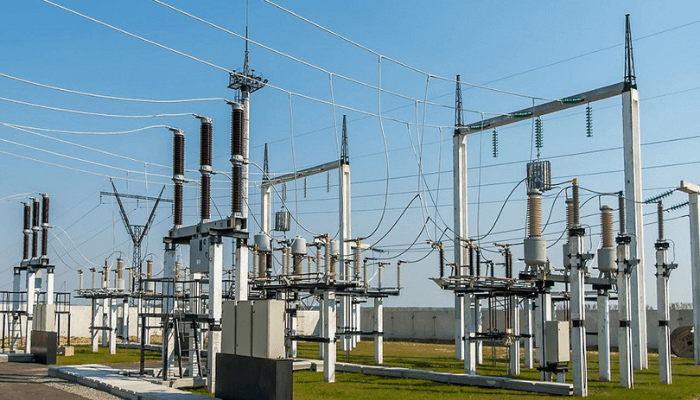
On the transmission side, the Egyptian Electricity Transmission Company has established 29 transformer substations in Sinai, with work underway to complete a new facility, bringing the total to 30 substations.
The substations serve cities, tourism and residential projects, industrial zones, and agricultural development areas.
The transmission network includes around 3,000 km of overhead circuits and underground cables at extra-high voltage, in addition to 1,150 km at high voltage. Since July 2025, several transmission lines linking substations with load centres in new development areas have been completed.
Strategic projects include the New Ismailia, Massaeed, and Sheikh Zuweid transformer substations, as well as the Zagazig–East Banha 500-kV line, Oyoun Moussa–New Ismailia 500-kV line, and Nuweiba–Saint Catherine 220-kV line.
The ministry has also implemented construction and expansion works at the permanent El Tor transformer substation and the East Port Said Development substation, along with expansions at the Taba, Massaeed, and Baghdad substations.
On the distribution side, the ministry has implemented expansion and replacement programmes serving around 280,000 subscribers across 96 centres and villages in North and South Sinai.
The projects included the installation of 550 transformers and substations of various capacities, more than 15,000 medium- and low-voltage poles, and over 3,800 km of overhead lines and underground cables.
Electricity connections have also been provided to strategic and vital facilities, residential and industrial projects, and seawater desalination plants.
The ministry has established an electric vehicle charging station in Sharm El Sheikh and upgraded customer services through a solar-powered mobile service centre and a customer service centre that includes facilities for people with disabilities and investors.
Work is also underway to establish an automated control centre for medium- and low-voltage networks in Sharm El Sheikh to identify faults and reduce outage repair times. The first phase of the city’s control system has been completed.
Esmat said the ministry would continue developing a strong and flexible grid capable of supporting new investments and accommodating growing electricity demand.
He also highlighted the importance of transforming the grid into a smart network capable of integrating large renewable energy capacities and transmitting electricity efficiently in line with international standards.


