
Chinese President Xi Jinping’s visit to Egypt represents an important boost to the strategic relations between the two countries and strengthens opportunities to expand cooperation in tourism and aviation, supporting Egypt’s efforts to increase the number of Chinese tourists visiting the country, according to Haitham Arafa, board member of the Egyptian Travel Agents Association (ETAA) and head of its training committee.
In exclusive statements, Arafa said the Chinese tourism market is one of the most promising markets for Egyptian tourism, given the vast size of the People’s Republic of China and its population of nearly 1.4 billion. He noted that Egypt aims to increase the number of Chinese tourists to one million annually in the coming years, with ambitions to eventually reach three million Chinese tourists per year.
He explained that the number of Chinese tourists visiting Egypt has witnessed significant growth in recent years, rising from around 165,000 in 2023 to nearly 300,000 in 2024 and reaching approximately 360,000 in 2025. This growth reflects the significant potential of the Chinese market and its capacity to achieve even higher growth rates.
Arafa stressed the major economic importance of Chinese tourists to the Egyptian destination, noting that their average spending per trip ranges between $1,800 and $3,500, while their average length of stay ranges from eight to 12 days. This makes increasing Chinese tourist arrivals an important factor in boosting tourism revenues and raising average visitor spending in Egypt. Chinese tourists primarily favour cultural and heritage tourism, as well as Nile cruises.
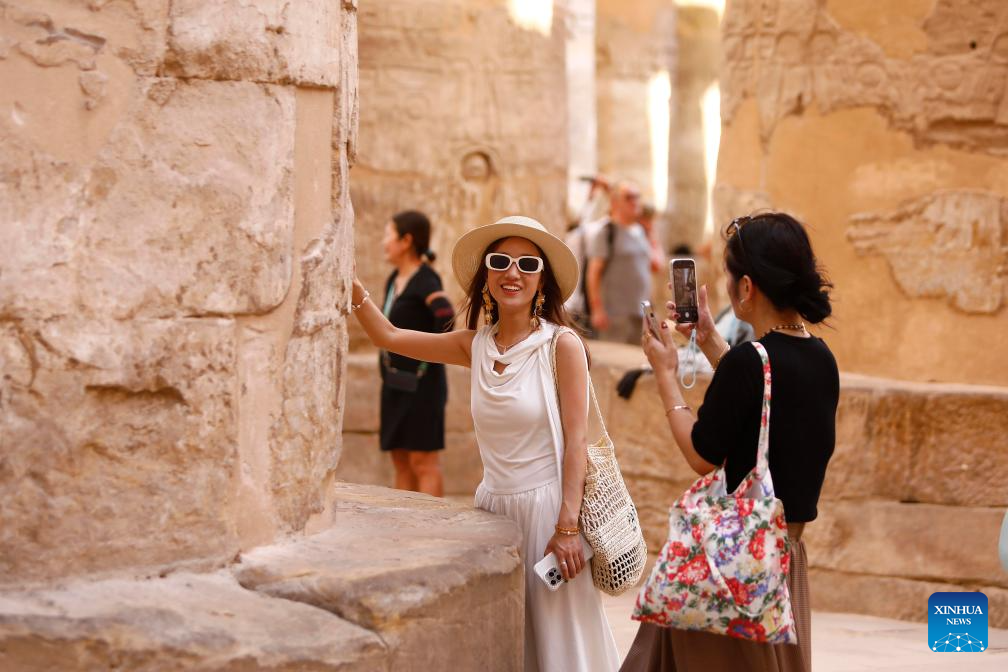
He pointed out that achieving the target of one million Chinese tourists requires increasing direct air connectivity between Chinese cities and Egyptian destinations, expanding partnerships among tourism companies, airlines, and Chinese travel platforms, and intensifying promotional campaigns and tourism roadshows in major Chinese cities, particularly Beijing, Shanghai, and Guangzhou.
Arafa also highlighted the importance of leveraging Egyptian archaeological exhibitions held in China as an effective tool for promoting Egypt as a tourist destination, particularly its new tourism products. He stressed the need to capitalise on Egypt’s diverse tourism offerings by designing specialised programmes for Chinese tourists that go beyond cultural and archaeological tourism to include Nile cruises, beach, desert, and eco-tourism, as well as interactive experiences and sound-and-light shows.
He emphasised that developing services provided to Chinese tourists is essential to achieving growth targets. This includes providing services and information in Chinese, facilitating payment methods, and improving the skills of tourism-sector employees through specialised training programmes designed to help them interact effectively with Chinese tourists and understand their needs and culture.
Arafa said the Chinese President’s visit to Egypt represents an important opportunity to translate the strength of political and strategic relations between Cairo and Beijing into greater cooperation in tourism and aviation. He stressed the need to build on the current momentum in bilateral relations through practical steps that contribute to increasing Chinese tourist arrivals to Egypt.