

The United States and Iran are preparing for a new round of high-level talks in Doha aimed at advancing implementation of their recent memorandum of understanding, even as maritime security in the Strait of Hormuz and Israel’s military presence in southern Lebanon continue to test the fragile diplomatic process.
The White House announced that US envoy Steve Witkoff and senior adviser Jared Kushner will travel to Doha for meetings on Iran, with technical discussions scheduled alongside the high-level negotiations.
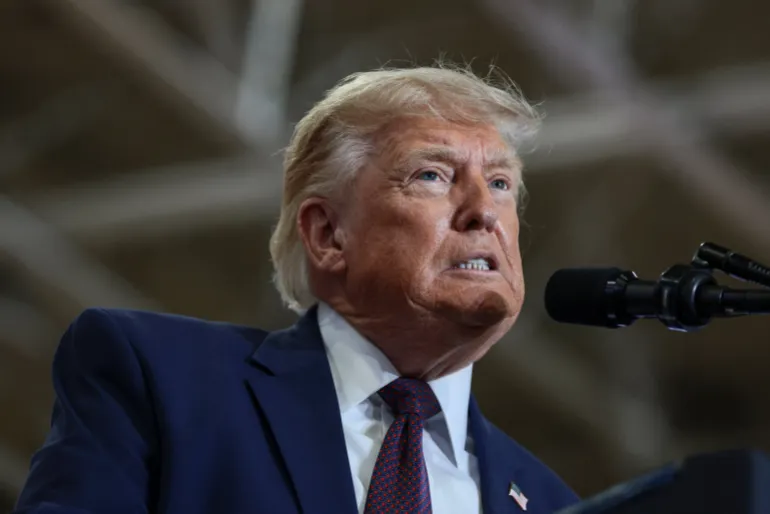
White House Press Secretary Karoline Leavitt said President Donald Trump remains committed to carrying the peace process through to completion, while warning that any Iranian attacks on commercial shipping would continue to draw a military response.
“Iran would be better off signing a good agreement with the United States,” Leavitt said, adding that the ceasefire memorandum would remain in force for as long as the diplomatic process continued.
Trump later said on Truth Social that Iran had requested the meeting, which he said would take place on Tuesday in Doha. He reiterated that Iran would never be allowed to obtain a nuclear weapon and argued that oil prices had fallen below pre-conflict levels following the launch of efforts to dismantle Tehran’s nuclear programme.
Iran, however, offered mixed signals regarding the negotiations. Deputy Foreign Minister Kazem Gharibabadi said no technical meetings were scheduled this week under the memorandum, although consultations with Qatar would continue on implementing US commitments. He said technical talks would take place only after the necessary conditions had been established.
Reuters, citing a source familiar with the discussions, reported that US and Iranian technical teams are nevertheless expected to meet in Doha within days after mediators established communication channels designed to reduce tensions.
Iranian President Masoud Pezeshkian sought to reassure the international community, saying Iran’s nuclear activities would remain consistent with the country’s civilian needs and declared policies. He also announced that, under recent understandings with Washington, Tehran would recover $6bn of the $12bn in Iranian funds frozen in Qatar, while efforts would continue to secure the release of the remaining assets.
The Strait of Hormuz remained another central issue.
Oman announced that the first meeting of the joint Omani-Iranian committee on the future management of the strategic waterway had taken place in Muscat. According to Oman’s Foreign Ministry, the two sides discussed the future governance of the strait, enhanced coordination on maritime affairs, and reaffirmed their commitment to international maritime law and safe navigation.
Commercial shipping through the Strait of Hormuz remained subdued despite diplomatic progress. Bloomberg reported that vessel traffic continued at relatively low levels following recent attacks on two ships, although several oil tankers and cargo vessels completed crossings over the weekend.
Meanwhile, Israel signalled that it would maintain its military posture in Lebanon regardless of ongoing diplomatic efforts.
Defence Minister Israel Katz said he had agreed with the commander of US Central Command that Israeli forces would not withdraw from security zones in Lebanon, Syria, or Gaza. He added that there would be no further withdrawals from southern Lebanon beyond two previously designated trial areas until Hezbollah had been fully disarmed.
Katz argued that linking the Iranian and Lebanese tracks served US strategic interests and said Israeli forces should prepare for a prolonged deployment because the Lebanese army was unlikely to confront Hezbollah in the near term.
