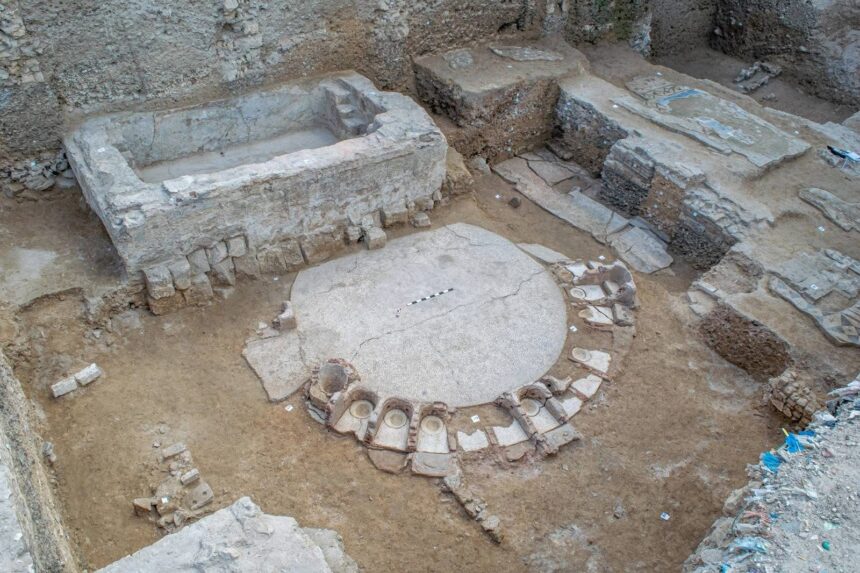
Archaeologists in Egypt have unearthed the remains of a late Ptolemaic circular public bath and a Roman residential villa featuring multi-style mosaic floors in the Moharam Bek area of central Alexandria.
The discovery, made by a Supreme Council of Antiquities rescue excavation mission, reveals a complete cultural sequence spanning the Ptolemaic, Roman, and Byzantine periods, according to a statement from the Ministry of Tourism and Antiquities.
Hisham El-Leithy, Secretary-General of the Supreme Council of Antiquities, said the continuous settlement at the site is highlighted by the discovery of a ‘Tholoi’ style circular bathhouse and a Roman villa, which demonstrate advanced urban planning and welfare during those eras.
The site provides a comprehensive model of the evolution of residential and service architecture in ancient Alexandria, said Mohamed Abdel Badie, Head of the Egyptian Antiquities Sector. Excavators uncovered advanced water facilities, including a small swimming pool connected to the Roman villa that features an integrated water management system.
Abdel Badie added that the mosaic floors utilised both *Opus Tessellatum* and *Opus Sectile* techniques, reflecting the diversity of artistic schools present in Alexandria during the Ptolemaic and Roman periods.
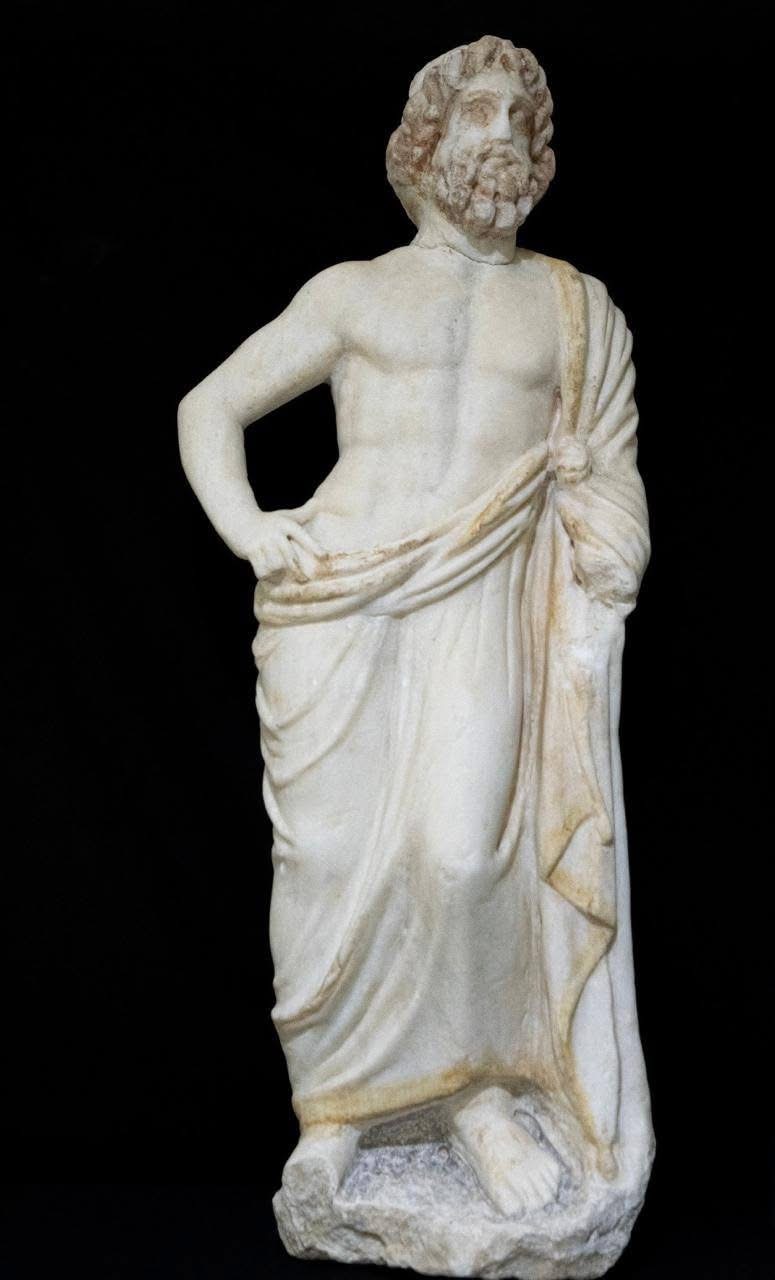
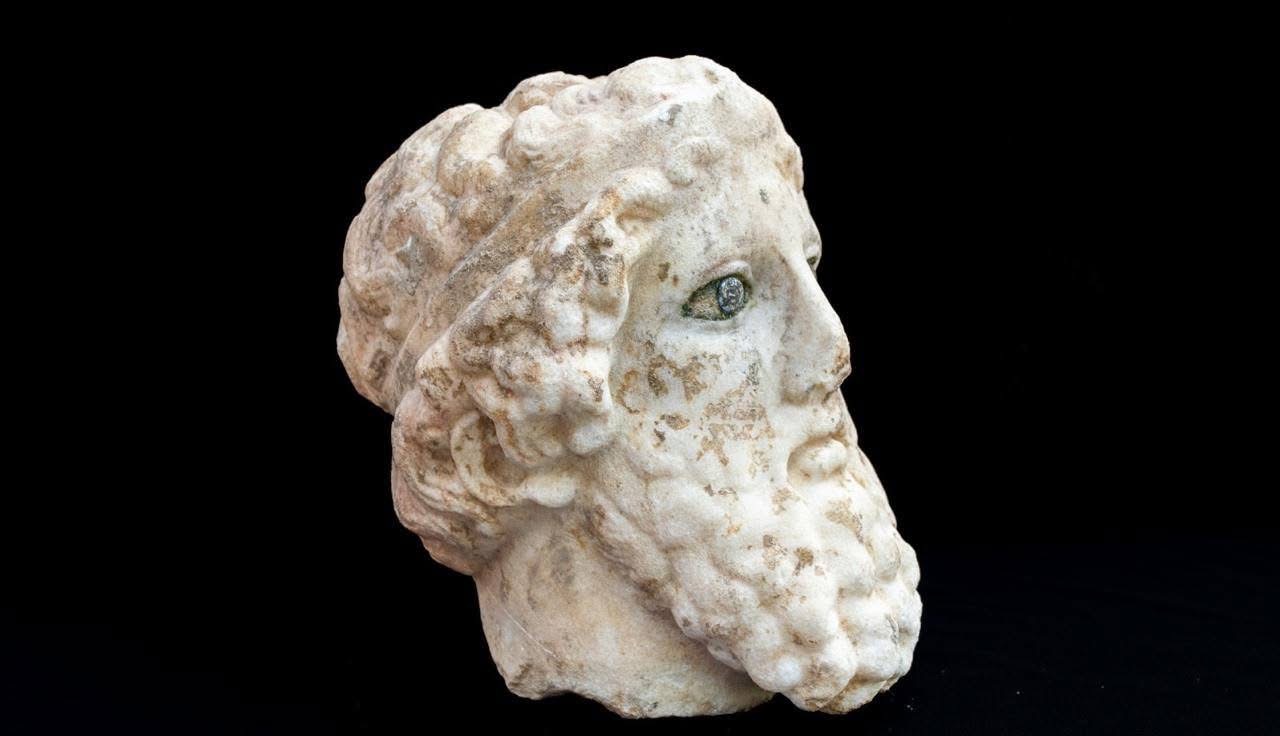
The excavation yielded a variety of movable artefacts, including marble statues of the deities Bacchus and Asclepius, as well as a headless statue believed to depict Minerva. Researchers also recovered coins, oil lamps, pottery, and fragments of stamped amphorae, which indicate prosperous commercial and cultural activity and wide-ranging Mediterranean trade relations.
The findings fill an archaeological gap in the previously under-studied southeastern sector of ancient Alexandria, according to Hisham Hussein, Head of the Central Administration for Lower Egypt Antiquities. Hussein noted that the results support and help re-evaluate historical maps of the city, particularly the work of Mahmoud Bey El Falaki. El Falaki’s maps represent one of the earliest scientific attempts to reconstruct Alexandria’s urban layout using a combination of astronomical measurements, topographical studies, and historical analysis.
Hussein said the discoveries confirm the area remained within the city’s walls until the Byzantine era, before its importance declined due to changes in urban planning.
Minister of Tourism and Antiquities Sherif Fathy stated that the discovery redraws the urban map of ancient Alexandria and serves as a qualitative addition to its archaeological record. Fathy said the find reflects the city’s historical importance as a cultural centre and underscores ongoing efforts to balance heritage preservation with sustainable development plans through rescue excavations.
The excavation spanned several months, according to Ibrahim Mostafa, head of the mission and director of the central district. Mostafa said the team has begun initial restoration of the discoveries before transferring them to specialised laboratories. Authorities are currently studying the display of the most prominent pieces at the Graeco-Roman Museum in Alexandria, while excavations at the site continue.