Egypt’s Minister of Civil Aviation, Sameh El-Hefny, outlined a comprehensive strategy to modernise the aviation sector and enhance its global competitiveness during a meeting with the tourism and aviation committee of the House of Representatives.
Discussions covered a range of key issues, including rising airfares, infrastructure upgrades, fleet expansion, sustainability initiatives, and preparations for the upcoming Hajj season.
El-Hefny said recent increases in ticket prices, particularly on return flights from Gulf countries, are driven by exceptional operational challenges. These include longer flight routes due to regional tensions, lower occupancy rates on certain routes, and higher fuel, insurance, and operating costs. Despite these pressures, he stressed that EgyptAir continues to uphold passenger rights and maintain regular flight schedules.
A central pillar of the strategy is the planned construction of Terminal 4 at Cairo International Airport, which will raise the airport’s capacity to more than 60 million passengers annually. The project will incorporate advanced technologies to improve operational efficiency and enhance the passenger experience, reinforcing Cairo’s position as a regional aviation hub.
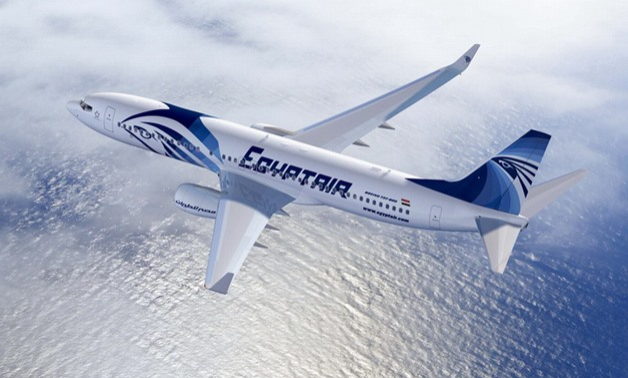
El-Hefny also highlighted EgyptAir’s fleet expansion plan, which includes the addition of 34 new aircraft by 2030/2031, bringing the total fleet to 97 planes. The airline has already improved its global standing, ranking 68th in the 2025 Skytrax list of the world’s top 100 airlines. It has also recorded strong financial performance and is targeting the elimination of accumulated losses within four years.
Air Cairo was identified as a key driver of tourism growth. The airline currently operates 41 aircraft and plans to double its fleet to 82 within four years. It accounts for around 20% of inbound tourism traffic to Egypt and approximately 30% of arrivals at Hurghada International Airport. Efforts are underway to better integrate its operations with EgyptAir to improve efficiency and expand market reach.
Sustainability remains a core focus of the strategy. Solar energy is already being used at Cairo and Alexandria airports, with plans to expand nationwide. The ministry is also studying the establishment of a domestic facility to produce Sustainable Aviation Fuel (SAF), in line with global efforts to achieve net-zero carbon emissions by 2050.
On digital transformation, El-Hefny noted significant progress, including the replacement of paper passport cards for Egyptian travellers at Cairo Airport with a fully digital system developed in cooperation with the Ministry of Interior. The system is set to be gradually rolled out across other airports.
The meeting also reviewed preparations for the Hajj season, with enhanced operational readiness and coordination to ensure smooth travel for pilgrims.
Members of parliament praised the ministry’s efforts, particularly recent regulatory reforms aimed at improving the investment climate and advancing digital transformation.
El-Hefny concluded by reaffirming the government’s commitment to building a sustainable, efficient, and globally competitive aviation sector.