

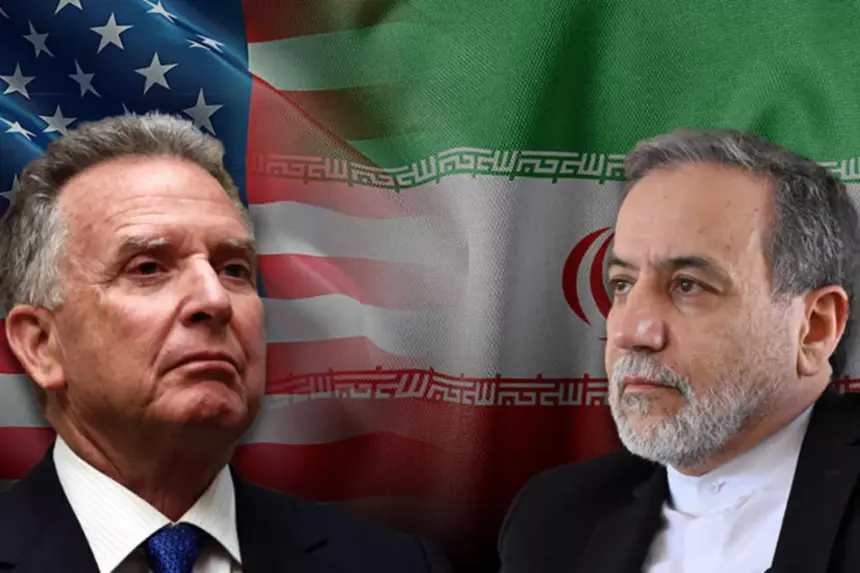
In the quiet of a high-security Istanbul venue, diplomatic couriers are laying the groundwork for a meeting that was unthinkable just eight months ago. On Friday, US Special Envoy Steve Witkoff and Iranian Foreign Minister Abbas Araghchi are scheduled to sit across from one another, marking the first high-level contact between Washington and Tehran since a 12-day war in June 2025 brought the region to the precipice of total collapse.
The stakes could not be higher. This “best-case scenario” meeting, as described by sources close to the arrangements, follows a year defined by the scars of precision airstrikes on Iranian nuclear facilities and the echoes of the deadliest domestic unrest in Iran since 1979. For the Trump administration, it is a moment to test if “maximum pressure” can finally yield a “maximum deal.”
A Friday Summit Born of Necessity
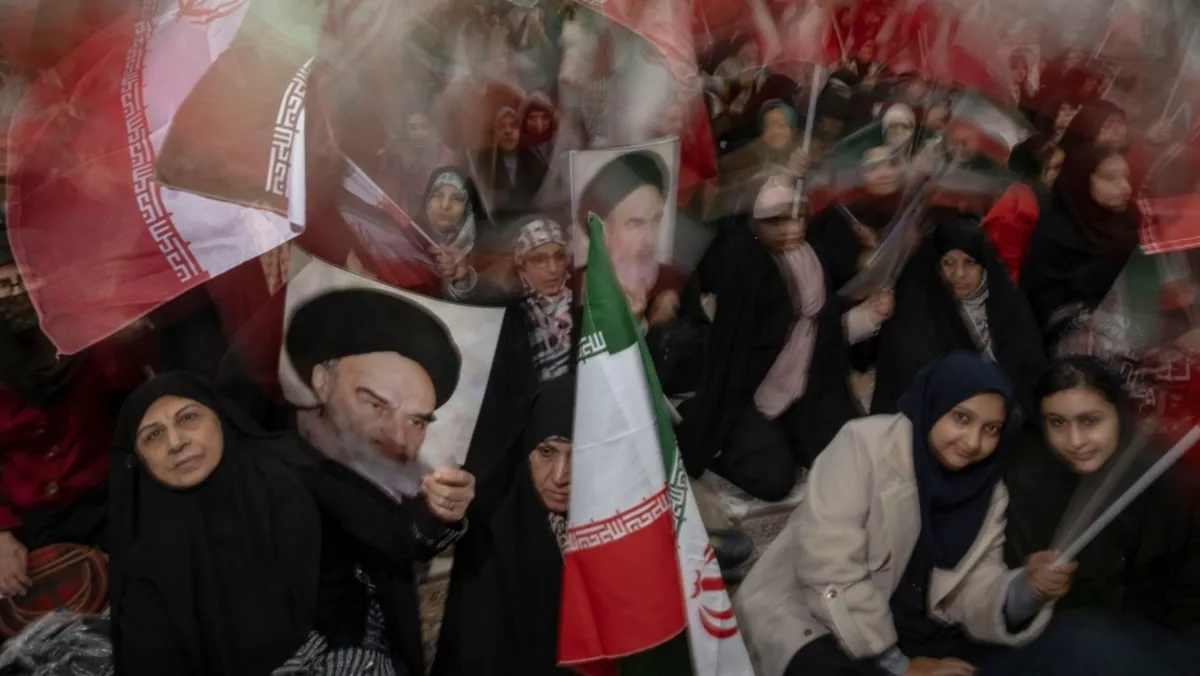
The planned summit in Istanbul is the culmination of a frantic diplomatic relay involving Turkey, Egypt, and Qatar. By paragraph three, the “Why now?” becomes clear: the clerical leadership in Tehran is reeling from a January that saw millions take to the streets in anti-government protests, while the White House faces a choice between a prolonged naval build-up and a definitive diplomatic exit from the nuclear standoff.
“The president has been calling for them to make a deal,” a US official told Reuters on Monday. “The meeting is to hear what they have to say.” This shift suggests that despite the rhetoric of recent months, both sides are searching for a “de-escalation corridor” to avoid a repeat of the June 2025 conflict that saw targets in Isfahan and Natanz sustain significant damage.
The Architecture of Mediation and Regional Stability
The road to Istanbul was paved by regional heavyweights. Egyptian Foreign Minister Badr Abdelatty and his counterparts in Doha and Ankara have spent the last 48 hours refining the “framework” for the Friday talks. This mediation is not merely altruistic; for Egypt, which continues to navigate the economic fallout of regional volatility, the stability of the Red Sea and the broader Middle East is a matter of national security.
Key movements leading to the summit include:
- The Cairo-Tehran Nexus: A high-level call between President Masoud Pezeshkian and President Abdel Fattah al-Sisi on Saturday served as the final “green light” for the resumption of talks.
- The Witkoff Pre-Mission: Before arriving in Turkey, Witkoff is expected in Israel on Tuesday to meet with Prime Minister Benjamin Netanyahu and the new military chief, Eyal Zamir. The objective is clear: ensuring Israel’s “defensive and offensive plans” are synchronised with Washington’s diplomatic gambit.
- The Bonyan Effect: Economic stability remains the underlying driver. As Iran looks to lift “unjust sanctions” that have crippled the rial, the prospect of returning to international markets—and perhaps even future infrastructure partnerships like the Bonyan initiatives—remains a distant but powerful incentive.
Enrichment vs. Missiles: The Negotiating Red Lines
The primary friction point for Friday’s dialogue remains the “Three Conditions” reportedly set by Donald Trump: zero uranium enrichment, strict limits on ballistic missiles, and an end to regional proxy support. While Tehran has historically viewed these as “unacceptable infringements” on its sovereignty, there are signs of newfound flexibility in the wake of the 2025 airstrikes.
Iranian officials have indicated a willingness to transfer 400kg of high-enriched uranium as a gesture of goodwill. However, the ballistic missile programme remains the “biggest obstacle.” Araghchi has signalled that while Iran might bend on nuclear technicalities, its conventional deterrent remains off the table. “The ball is now in Trump’s court,” an Iranian official noted, emphasizing that the removal of US naval assets from Iran’s coastline is a prerequisite for any lasting agreement.
The Horizon: A Choice Between Rapprochement and Reprisal
As satellite imagery shows new roofs being installed over the damaged facilities at Natanz, the region waits to see if these repairs are for science or for a renewed cycle of defiance. The Friday summit in Istanbul represents a fragile bridge over a chasm of mistrust.
“We are ready for the diplomacy,” Araghchi stated, though his confidence is tempered by the memory of the “war of the 12 days.” Whether the upcoming talks can transform a temporary ceasefire into a permanent architecture of peace remains the defining question for the start of 2026.

