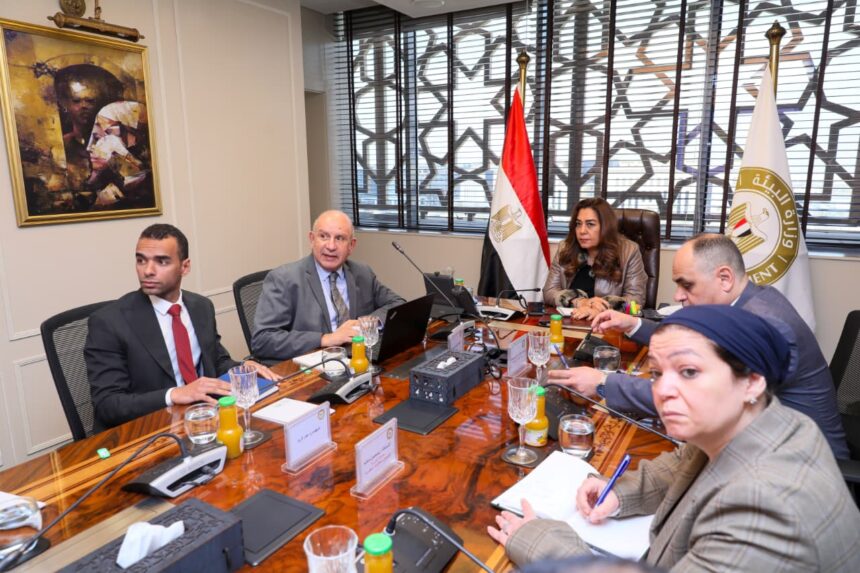
Egypt’s Minister of Local Development and Acting Minister of Environment, Manal Awad, held extensive talks on Tuesday with representatives of the Tahya Misr Fund to explore opportunities for expanding investment in eco-tourism across the country’s natural reserves.
According to a statement from the Ministry of Environment, the meeting focused on upgrading and improving the operational efficiency of protected areas to attract environmentally sustainable investment, while preserving biodiversity and the unique ecological and geological characteristics of each reserve.
Discussions included a proposal to establish designated, paved routes for electric vehicles within natural reserves to facilitate movement for visitors and staff without disrupting sensitive ecosystems. Awad noted that approved eco-friendly routes have already been reviewed and identified in coordination with reserve administrations to maximise their effective use.
The talks also addressed expanding the use of renewable energy—particularly solar power—within protected areas as a cornerstone of sustainable management, contributing to reduced carbon emissions and increased reliance on clean energy sources.
Awad stressed the importance of conducting comprehensive studies to design entrances to natural reserves in a way that reflects each site’s environmental and geological identity, enhances visual appeal, and improves visitor services, while ensuring full compliance with environmental regulations.
She further directed relevant authorities to prepare integrated environmental impact assessments for proposed projects, including detailed specifications for construction materials compatible with the nature of each reserve, to safeguard natural resources and maintain ecological balance.
The ministry affirmed that it will continue to strengthen national partnerships, particularly with the Tahya Misr Fund, to support sustainable development initiatives in natural reserves—reinforcing Egypt’s position as a global eco-tourism destination and ensuring the protection of natural heritage for future generations.