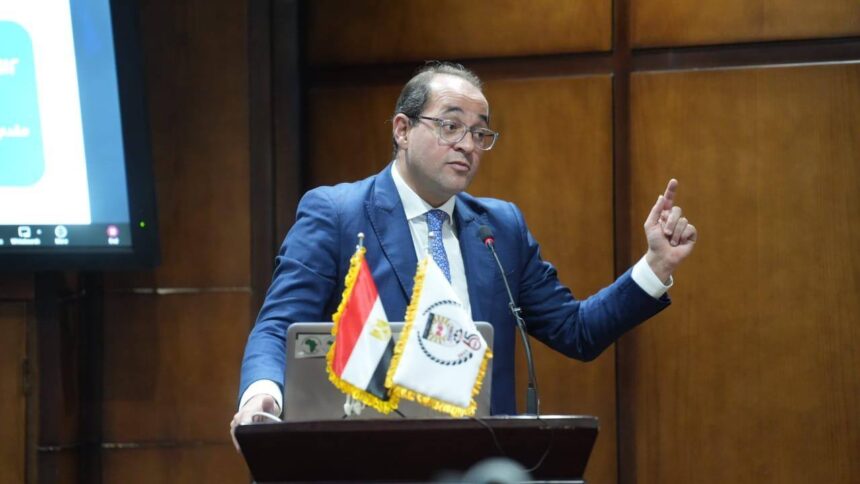
Egypt aims to reduce its budget debt-to-GDP ratio to 80% by the end of June, Finance Minister Ahmed Kouchouk said on Saturday, as the government continues a fiscal discipline path that has already seen the ratio fall from 96% to 84% over the past two years.
Speaking at a salon hosted by the Institute of National Planning, Kouchouk stated that the external debt of budget agencies has decreased by approximately $4bn during the same two-year period. He added that the state is prioritising debt reduction and is currently paying more than it borrows to improve economic indicators.
The minister detailed the impact of the government’s first package of tax facilities, noting it has encouraged voluntary compliance. According to Kouchouk, taxpayers submitted 612,000 new and amended tax returns and voluntarily disclosed additional economic activity worth EGP 1trn, resulting in EGP 78bn in additional tax payments.
Furthermore, 400,000 requests to close old tax files were received, and 127,000 taxpayers have utilised the integrated simplified tax system to date.
Kouchouk said the strategic goal is to expand the economic, productive, and tax base to benefit citizens and investors. He noted that tax revenues increased by 36% during the last year without imposing new burdens on the business community.
“The private sector is capable of transforming Egypt into a regional centre for production and exports,” Kouchouk said, noting that private investment rose by 73% last year. He highlighted strong growth in the industrial, information technology, and tourism sectors during the previous fiscal year.
The minister announced that a second package of tax incentives for committed taxpayers is being prepared, with additional packages for customs and real estate taxes expected soon to simplify procedures. He added that the new budget will feature increased allocations for health, education, and cash support programmes targeted at the most vulnerable groups.
Kouchouk stated that reducing debt service costs would provide additional resources to improve living standards and allow for higher spending on social protection and economic support. He also noted an “ambitious vision” to develop the resources of local administrations to ensure the benefits of growth reach citizens across all governorates.
Ashraf El-Araby, head of the Institute of National Planning, said the business and economic community welcomed the current path of incentives and facilitation. He emphasised the need to accelerate progress toward the Egypt Vision 2030 targets and reduce economic gaps in the coming years.