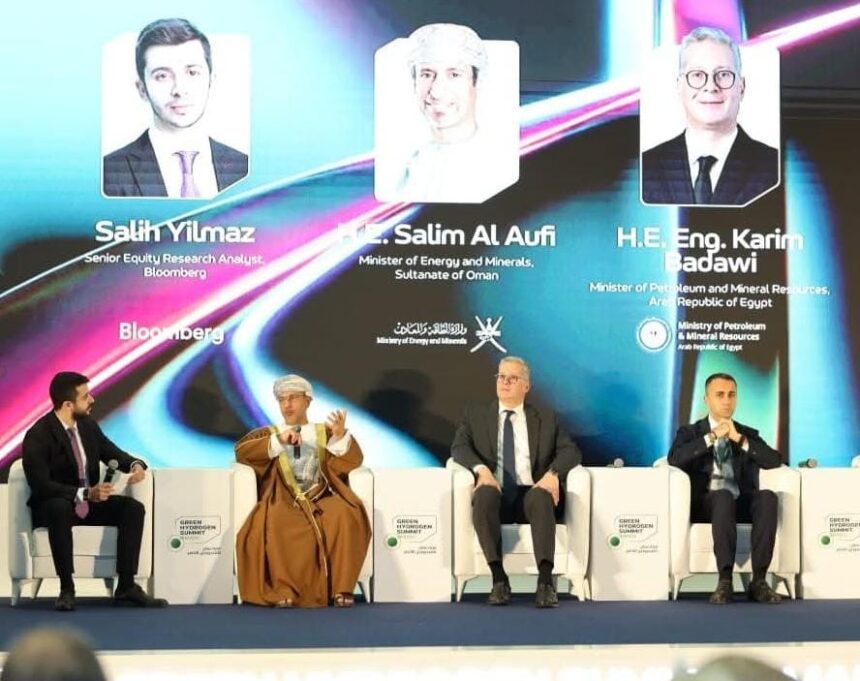
Petroleum and Mineral Resources Minister Karim Badawi announced that Egypt is developing a set of highly attractive incentive packages to accelerate investment in green hydrogen, as the country works to position itself as a central player in the emerging global hydrogen economy. Egypt is targeting an 8% share of the global hydrogen market, with plans to reach an annual production capacity of around 10 million tons in the coming decades.
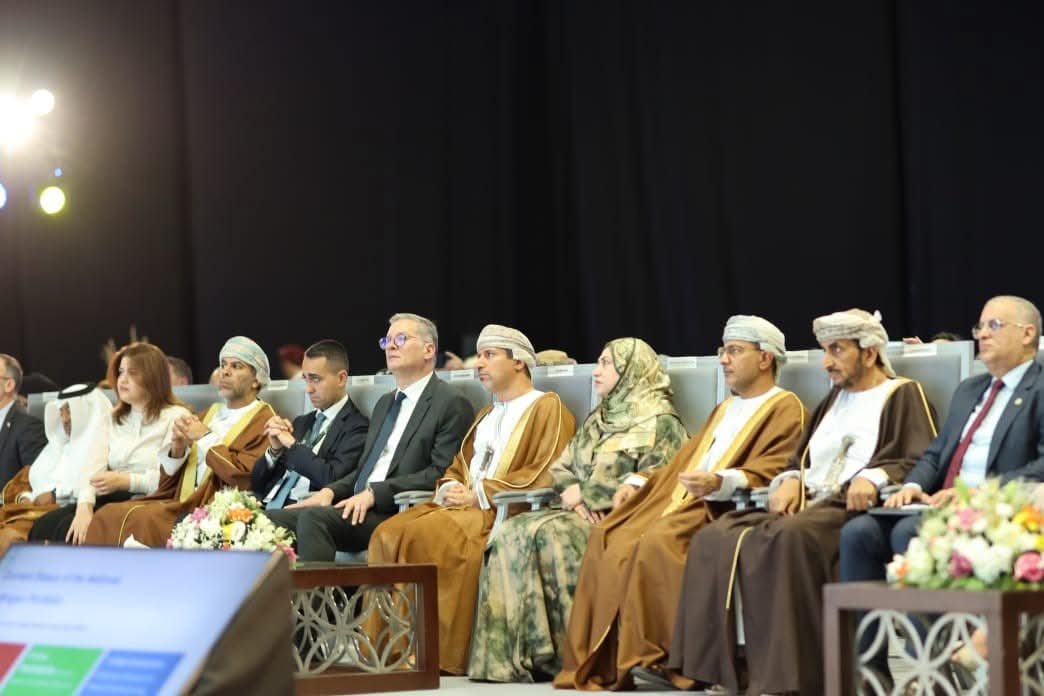
Badawi made the remarks during his keynote speech at the opening ministerial session of the fourth Oman Green Hydrogen Summit in Muscat, organised by the Omani Ministry of Energy and Minerals in cooperation with Hydrogen Oman (Hydrom).
Highlighting Egypt’s competitive advantages, Badawi pointed to the country’s strategic geographic location in the Middle East, its role as a natural bridge to Africa, and its strong energy interconnections with Europe, including existing grid linkage projects with Cyprus and Greece. He also underscored the pivotal role of the Suez Canal—poised to become a major route for global hydrogen supply chains—and the Suez Canal Economic Zone, which already hosts infrastructure suited for renewable energy projects, green industries, and green bunkering services.
The minister stressed that achieving Egypt’s hydrogen ambitions will require deep partnerships with global technology providers and long-term off-take agreements. He noted Egypt’s interest in strengthening cooperation with Oman, which has made notable progress in developing its hydrogen sector. Badawi said Egypt is keen to adopt best practices and broaden knowledge and technology exchange between the two countries.
While Oman is emerging as a key regional hub serving Asian hydrogen markets, Egypt is working to position itself as a primary gateway for supplying hydrogen to Europe, Badawi said.
He also highlighted the role of the Ministry of Petroleum and Mineral Resources’ six strategic pillars in advancing Egypt’s hydrogen vision. Among the major ongoing projects, he cited the production of green ammonia at the MOPCO complex in Damietta, in collaboration with Norway’s Scatec and Yara.
Badawi added that continued acceleration of oil and gas exploration and production provides a strong platform for entering the low-carbon hydrogen market—produced from conventional fuels during the energy transition—alongside Egypt’s expanding green hydrogen initiatives powered by renewable energy.
Turning to the mining sector, he noted that its strategy focuses on optimizing the use of critical and rare minerals essential for renewable energy technologies and hydrogen production. He added that Egypt is rapidly implementing its national plan to raise the share of renewable energy in the domestic electricity mix to 42% by 2030, supported by vast desert areas and strong solar and wind resources. Increasing renewable output, he emphasized, will free up natural gas for higher-value industrial uses.
Badawi concluded by underscoring the importance of regional and international cooperation in building a competitive green hydrogen industry and reducing future production costs.
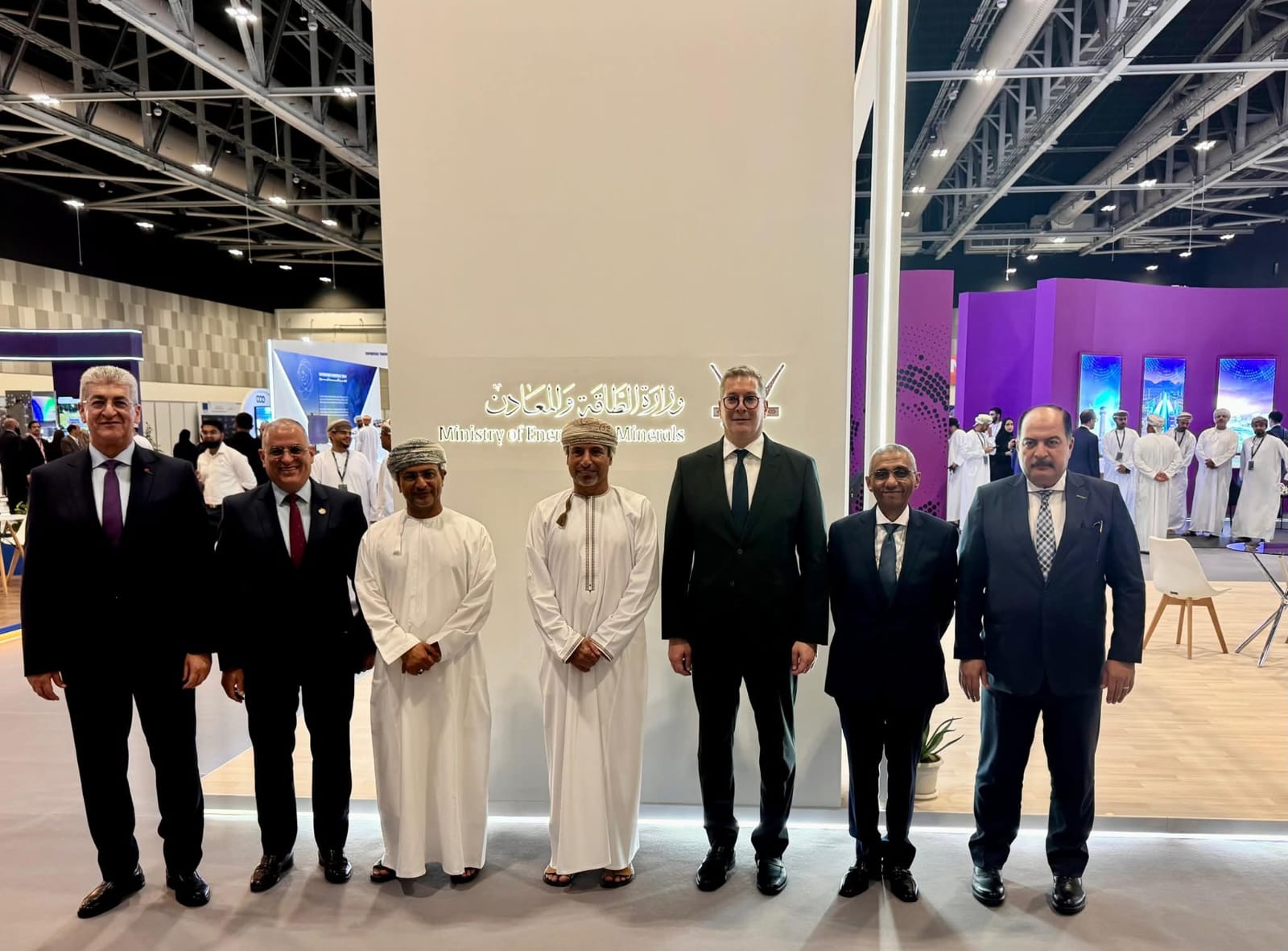
On the sidelines of the summit, the minister and his Omani counterpart inaugurated the accompanying exhibition, which features the latest technologies and solutions across the global hydrogen value chain.