

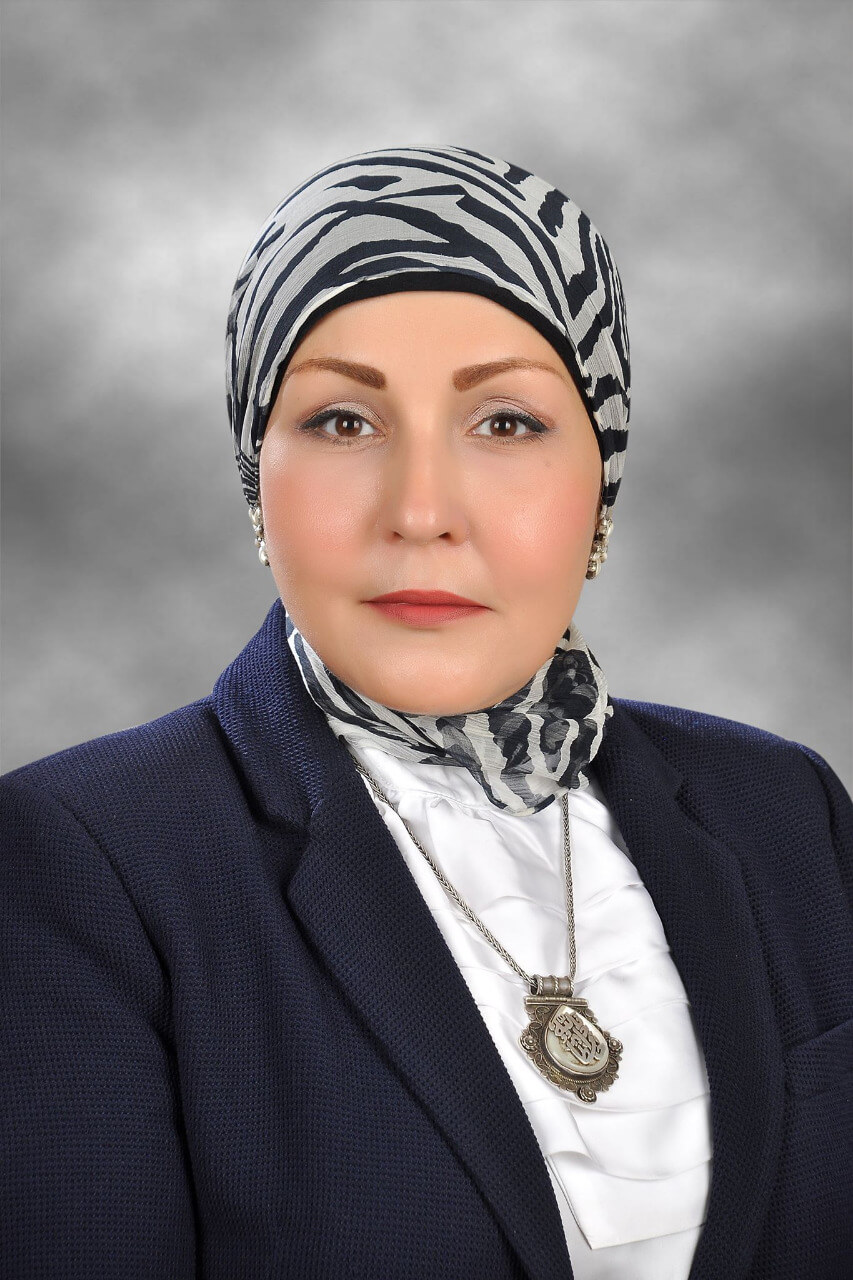
Egypt’s microfinance sector maintained strong growth during the first quarter (Q1) of 2026, with the total outstanding microfinance portfolio approaching EGP 108bn, according to Hala Abu Elsaad, Chairperson of the Egyptian Federation for Financing Medium, Small and Micro Enterprises (MSMEF).
The total portfolio increased from approximately EGP 105bn in March 2025, representing annual growth of around 3%, while the number of beneficiaries exceeded four million clients.
Abu Elsaad said the sector’s performance reflects its continued ability to support microenterprise owners, advance the state’s financial inclusion agenda, and provide financing for productive and service-oriented projects across Egypt.
She explained that non-governmental associations and institutions affiliated with the federation and licensed by the Financial Regulatory Authority (FRA) provided financing worth EGP 23.4bn to 1.6 million clients in March 2026, compared with EGP 22.1bn extended to 1.765 million clients during the corresponding period of 2025.
Microfinance companies continued to account for the largest share of the market, recording an outstanding portfolio of EGP 50.2bn serving 1.9 million clients in March 2026, compared with EGP 43.7bn benefiting approximately 1.97 million clients a year earlier.
Abu Elsaad added that the banking sector extended EGP 34.3bn in direct financing to 587,000 microenterprise clients in March 2026, compared with EGP 39bn provided to 720,000 clients in March 2025. These figures exclude indirect financing channelled through licensed microfinance companies and associations.
She also noted that federation members licensed to provide financing for small and medium-sized enterprises (SMEs) extended EGP 25.3bn to 16,700 clients in March 2026, compared with EGP 18.7bn during the corresponding period of 2025.
Abu Elsaad said the Q1 2026 results demonstrate the resilience of Egypt’s microfinance sector and its ability to continue supporting economic activity and empowering entrepreneurs despite prevailing economic challenges.
She added that the federation continues to coordinate with all relevant stakeholders, particularly the FRA and the Central Bank of Egypt (CBE), as well as other partners, to support the sector’s growth, improve the efficiency of market participants, and expand access to financing services in a manner that contributes to sustainable economic and social development.
Abu Elsaad expects the microfinance sector to maintain its positive growth momentum in the coming period, driven by the federation’s ongoing efforts to strengthen the capabilities of member institutions, support capacity building, and promote best practices, thereby expanding the beneficiary base and improving the quality of financing services.
She also praised the FRA’s role in developing the sector through continuous supervision and regulation, as well as its responsiveness to evolving market needs. She noted that the authority’s decision to raise the maximum microfinance loan limit to EGP 292,000 reflects higher operating costs across economic activities and enhances the ability of financing providers to meet clients’ funding requirements, supporting the sector’s sustainable growth and its contribution to financial inclusion and economic development.


