

Qatar on Tuesday denied hosting a new round of high-level talks between the United States and Iran, despite conflicting statements from Washington and Tehran, as regional and international efforts continued to preserve momentum behind the fragile ceasefire and broader diplomatic process.
Qatari Foreign Ministry spokesperson Majed Al Ansari said no senior-level US-Iran meeting was scheduled in Doha, clarifying that US envoys Steve Witkoff and Jared Kushner had travelled to Qatar solely for meetings with Qatari mediators.
“There is no high-level meeting planned between the United States and Iran,” Al Ansari said, adding that technical contacts between the two sides were continuing through mediators.
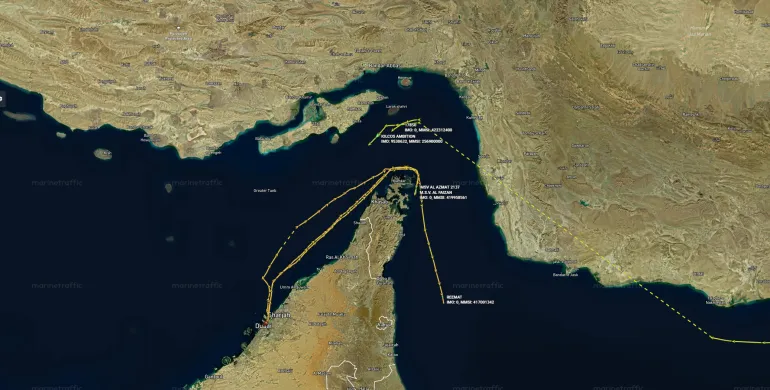
He also denied reports that frozen Iranian assets had been transferred to Tehran, stressing that the funds remain frozen and that any future release would depend on progress in negotiations. Al Ansari added that Qatar was coordinating closely with Oman to ensure the safety of navigation through the Strait of Hormuz, describing freedom of navigation as a fundamental right that must not be compromised.
The clarification followed contradictory statements from Washington and Tehran. US President Donald Trump had announced that new negotiations would take place in Doha on Tuesday, while Iran maintained that no direct meetings with US officials had been scheduled.
Iranian Foreign Ministry spokesperson Esmaeil Baghaei said an Iranian technical delegation would instead travel to Doha this week for discussions with Qatari officials on implementing provisions of the memorandum of understanding, particularly those concerning the release of frozen Iranian assets.
“What is expected in Doha, most likely tomorrow, is negotiations with the Qatari side regarding the release of Iran’s frozen assets,” Baghaei said, stressing that no negotiations with the United States were planned “at any level” in the coming days.
Baghaei added that all major institutions within Iran’s political system were involved in decisions related to peace, war and the ongoing negotiations. He warned that any US failure to honour the memorandum would undermine the diplomatic process, adding that Tehran would continue implementing its commitments only as long as Washington fulfilled its own obligations. He also warned that any future US action against Iran would receive an immediate and firm response.
Meanwhile, Iranian President Masoud Pezeshkian accused domestic political factions of attempting to undermine the agreement with Washington by weakening the negotiating team and questioning what he described as nationally endorsed decisions.
Speaking during a meeting with religious scholars in the city of Qom, Pezeshkian said every stage of the negotiations had been conducted in full coordination with Supreme Leader Mojtaba Khamenei and Iran’s Supreme National Security Council. He argued that the agreement had enabled Iran to withstand external pressure while creating better prospects for addressing the country’s economic challenges.
Despite emphasising diplomacy, Iranian officials maintained a firm deterrent posture. Acting Defence Minister Majid Ebn Reza told his Qatari counterpart that Tehran trusted neighbouring countries—particularly Qatar—but “not the enemy”, warning that Iran’s armed forces remained fully prepared to respond decisively to any violation of the ceasefire. He also expressed interest in expanding defence cooperation with Doha to strengthen regional security.
Regional and international actors continued to encourage dialogue. Chinese Foreign Minister Wang Yi told his Saudi counterpart, Prince Faisal bin Farhan, that sustaining the momentum of US-Iran negotiations was essential, arguing that “dialogue is better than fighting, and negotiation is better than confrontation.”
Germany also welcomed the continuation of talks, describing the ceasefire and ongoing negotiations as an important opportunity for diplomacy. Berlin called for practical arrangements to guarantee safe navigation through the Strait of Hormuz and advance efforts to address Iran’s nuclear programme.
On the Israeli front, Prime Minister Benjamin Netanyahu reiterated that Israeli forces would remain in southern Lebanon until all security threats had been eliminated. He said Israel would not allow “an army of terrorists” to establish itself along its northern border and maintained that both Israel and Lebanon ultimately sought peace and stability.
Lebanese President Joseph Aoun, meanwhile, reaffirmed the Lebanese Armed Forces’ commitment to implementing government decisions, saying attempts to undermine confidence in the military would not affect its mission to preserve national security, protect Lebanon’s borders, and extend state authority across the country.

