

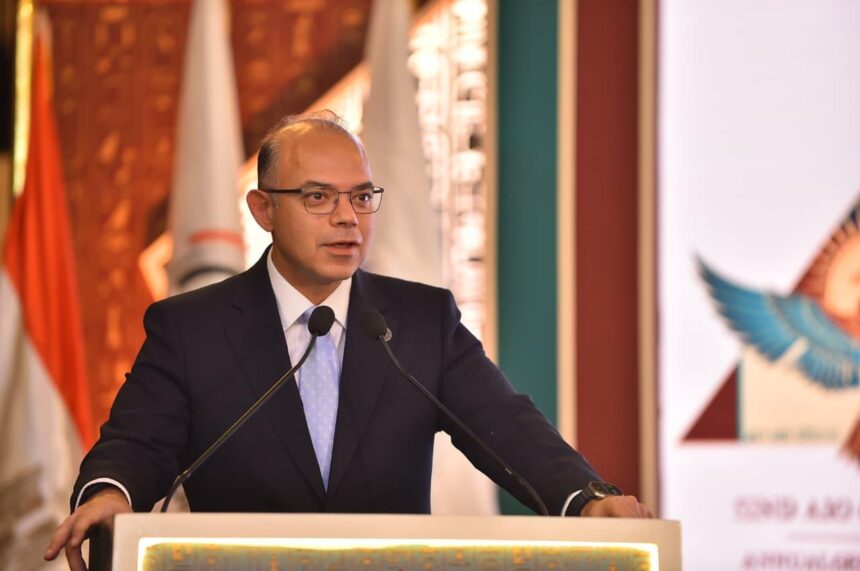
Mohamed Farid, Minister of Investment and Foreign Trade, said the government is moving forward with its state offerings programme as part of broader efforts to strengthen the role of the private sector, deepen financial markets, and attract greater investment.
Speaking on behalf of Prime Minister Mostafa Madbouly at the opening of the 52nd Conference of the African Insurance Organisation (AIO) in Cairo, Farid said the insurance sector is well positioned to support these objectives through its role in mobilising investments and enhancing financial stability.
He highlighted the planned offering of Misr Life Insurance—one of the largest life insurers in Egypt and the region—as a key component of the programme, reflecting confidence in the sector’s growth potential and future prospects.
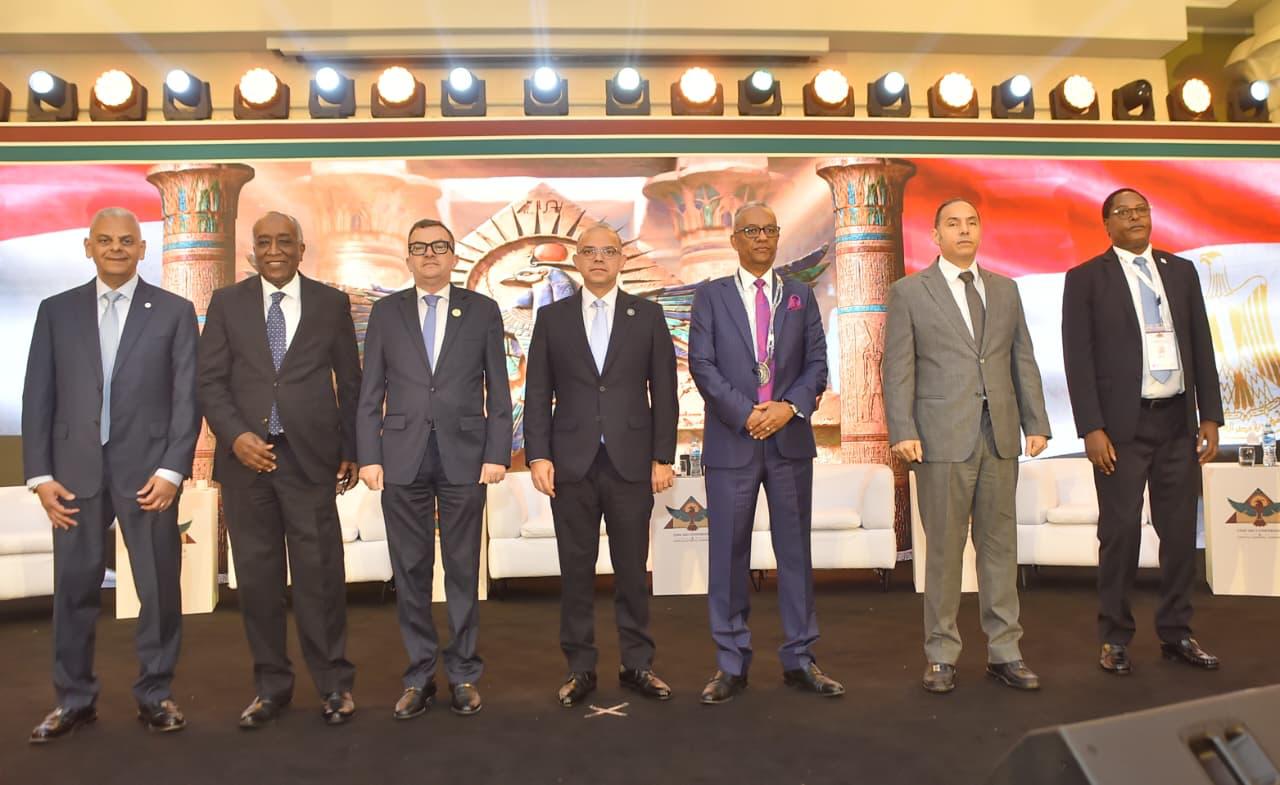
The conference was attended by Ahmed Rostom, Minister of Planning and Economic Development; Islam Azzam, Chairperson of the Financial Regulatory Authority (FRA); Alaa El-Zoheiry, Vice-President of the African Insurance Organisation and Chairperson of the Insurance Federation of Egypt; and Yared Molla, President of the African Insurance Organisation and CEO of Nyala Insurance Company in Ethiopia, alongside representatives of regulatory authorities, insurance and reinsurance companies, and insurance federations from across Africa.
Farid described the insurance sector as a cornerstone of economic growth and sustainable development, noting that its role has expanded far beyond risk coverage to include supporting savings and investment, enhancing economic and social stability, promoting insurance inclusion, and providing protection for individuals and businesses.
He said Egypt’s hosting of the conference reflects the growing stature of the Egyptian insurance market at both the regional and continental levels and offers an important platform for exchanging expertise and successful experiences among African countries.
According to Farid, Egypt has implemented a comprehensive programme to reform and modernise the insurance sector over the past four years. The reforms have focused on strengthening governance, improving operational efficiency, enhancing financial solvency, recapitalising selected entities, and updating regulatory and supervisory frameworks to support sustainable growth and adaptation to global economic and technological developments.
He added that the FRA has introduced a range of measures aimed at increasing the participation of insurance companies and pension funds in capital markets, particularly through investments in listed equities. These measures have contributed to stronger market activity and liquidity, enhanced the attractiveness of the Egyptian capital market, and encouraged additional public offerings by both state-owned and private-sector companies.
Farid noted that sector development has also encompassed digital transformation initiatives, database modernisation, process automation, and investment in human capital to develop a new generation of insurance professionals, specialists, and actuaries capable of leading the industry’s future growth.
He pointed out that several African countries are undertaking significant reforms in their insurance sectors, creating new opportunities for cooperation and integration among African markets and supporting the development of a more resilient and efficient continental insurance industry.
The minister stressed that expanding insurance coverage and inclusion remains a key priority, given its importance in protecting individuals and institutions while supporting broader economic stability.
Reviewing the impact of the government’s economic reform and private-sector empowerment agenda, Farid highlighted a sharp increase in private-sector investment, which now accounts for 59% of total investments compared with a historical average of 42%.
He also noted that the market capitalisation of the Egyptian Exchange has more than tripled, rising from around EGP 1trn in 2018 to more than EGP 3.8trn in 2026.
“The state is not presenting a reform programme it hopes to achieve in the future,” Farid said. “Rather, it is describing a transformative shift that is already taking place on the ground and is clearly reflected in the growth of private-sector investment.”
On regional cooperation, Farid said Africa’s future will depend not only on its abundant resources but also on strong institutions, collective risk management capabilities, and the ability to build trust across markets.
He announced that Egypt is taking a practical step in this direction through the establishment of a dedicated investment fund for Africa, structured as a partnership between The Sovereign Fund of Egypt and the private sector. The fund will target strategic sectors including pharmaceuticals, education, and financial services.
Farid described the initiative as more than a statement of intent, calling it a practical model for mobilising capital and supporting sustainable development across the continent.
Concluding his remarks, the minister praised the efforts of the Financial Regulatory Authority and insurance sector stakeholders, reaffirming the government’s commitment to supporting the industry’s continued development. He also expressed his hope that the conference would contribute to deeper cooperation and greater integration among African insurance markets.


