The International Monetary Fund (IMF) said the economic impact of the ongoing Iran conflict on Egypt has so far remained “relatively limited,” citing early and coordinated policy measures by Egyptian authorities that helped contain external pressures.
Speaking at a press briefing, IMF spokesperson Julie Kozack noted that Egypt’s flexible exchange rate has played a key role as a “shock absorber,” helping mitigate the impact of global volatility while preserving foreign currency reserves.
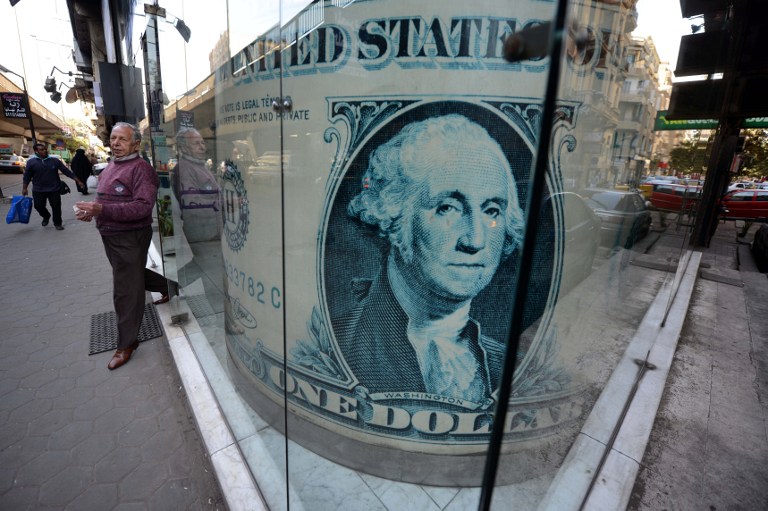
However, the Egyptian economy continues to face mounting pressures from rising global energy prices and capital outflows. The Egyptian pound has weakened by more than 8% against the US dollar since the start of the conflict, reflecting heightened risk sentiment and foreign investor withdrawals from local debt markets.
Egypt, which relies heavily on imported natural gas to meet its electricity needs, has also been hit by higher energy import costs. In response, the government has implemented a series of preemptive measures to safeguard fiscal stability.
These include raising domestic fuel prices by between 14% and 30%, as well as introducing electricity consumption controls, such as earlier closing hours for shops and cafes. Authorities have also formed a high-level crisis committee to ensure a swift and coordinated response to evolving developments.
The IMF acknowledged these efforts as part of a broader strategy to enhance economic resilience, while noting the delicate balance policymakers must maintain between fiscal discipline and social protection.
Egypt is currently navigating a complex economic landscape as it continues reforms under a $57 billion international support package agreed in 2024, aimed at stabilizing the economy and restoring investor confidence.
While risks remain elevated due to ongoing geopolitical tensions in the region, the IMF’s assessment suggests that Egypt’s policy response has, for now, helped cushion the immediate economic fallout.