

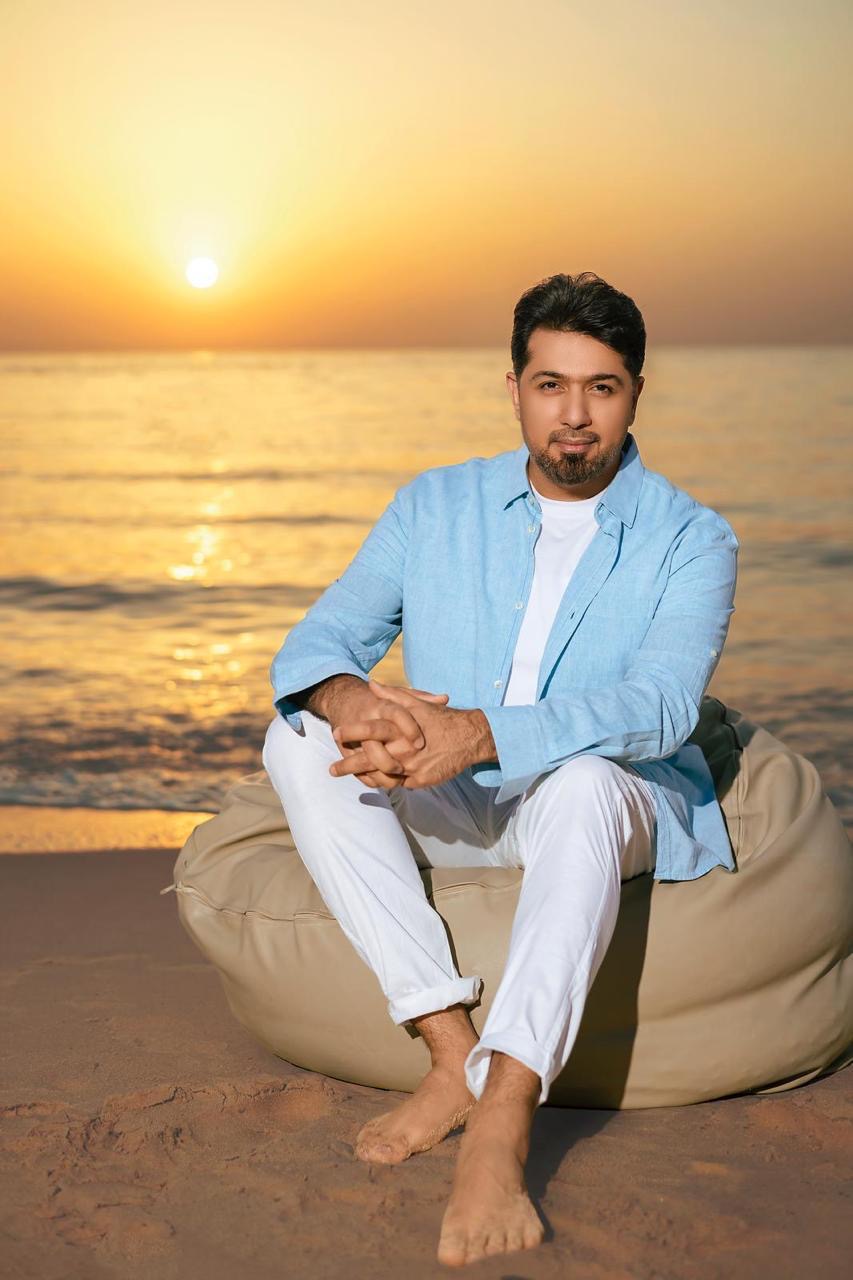
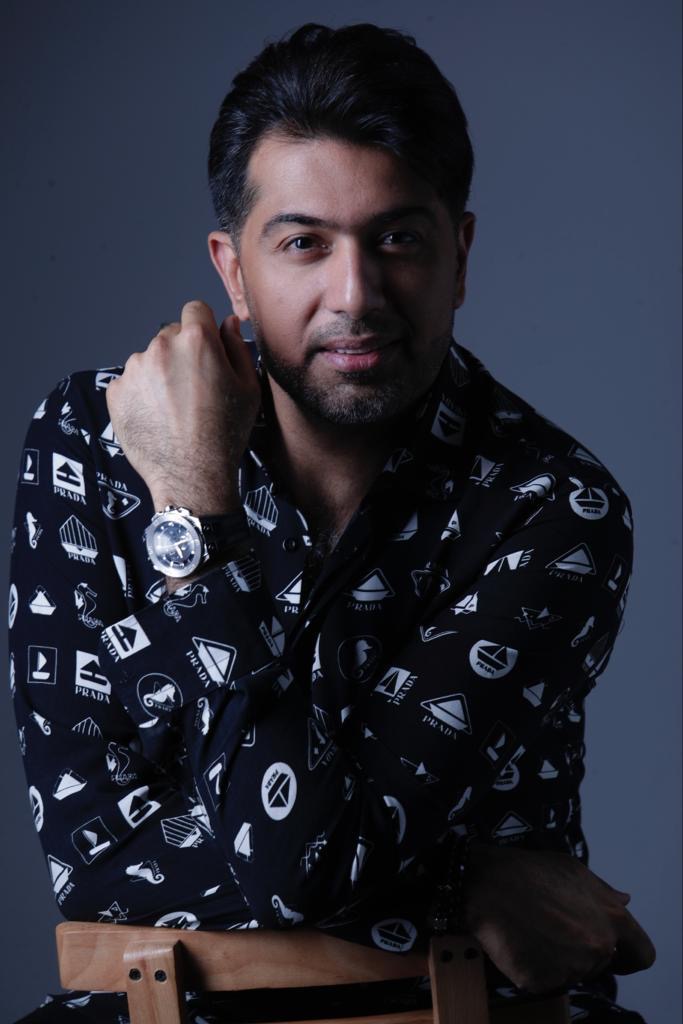
In a fast-moving artistic landscape driven by algorithms and fleeting trends, Iraqi singer Humam Ibrahim continues to move at his own pace, guided not by noise, but by feeling. Between romantic ballads, emotionally charged releases and major stage appearances, he is shaping a more mature and self-aware phase of his career.
In this conversation, Ibrahim speaks candidly about his latest songs, his bond with audiences, his reservations about acting, his vision for Iraqi music in the digital age, and the firm boundaries he draws around his private life, while reflecting on how he experiences Ramadan in both Iraq and Egypt.
Ramadan in Iraq carries a distinct atmosphere. How do you experience the holy month there?
Ramadan in Iraq is something you feel before you describe. It carries deep spirituality mixed with nostalgia. From the sighting of the crescent moon, everything changes–the family gatherings, the sound of the “adhan”, the simplicity of shared iftars and visits between relatives.
What moves me most is the emotional solidarity. People genuinely feel one another’s struggles. There is a quiet sadness intertwined with serenity. That emotional duality lives inside me–and perhaps inside my voice–even if I haven’t expressed it directly in a Ramadan song.
How does Ramadan feel in Egypt?
Ramadan in Egypt is vibrant and celebratory. The streets are alive with lanterns, gatherings and laughter. The city feels awake all night.
The fawanees, charity tables, Ramadan series and classic songs create a collective joy that you can sense instantly–even as a guest. In Egypt, Ramadan feels expansive and social. It embraces you.
Between the two, where do you feel closest?
I can’t choose. Iraq represents my roots, reflection, memory, and depth. Egypt represents openness, celebration and warmth.
In Iraq, I live Ramadan inwardly. In Egypt, I live it outwardly, among people. Each experience completes the other.
Why haven’t you released Ramadan songs or supplications?
Because I take that very seriously. A supplication is not just a seasonal track; it is a responsibility. It must come from a true spiritual state, not from marketing calculations.
I once performed a supplication about love for God, and it was warmly received in Iraq. It was a deeply personal experience for me. That kind of work requires inner clarity.
So you’re not against the idea of a Ramadan song?
Not at all. I’m simply waiting for the right moment. If I find sincere lyrics, a melody that carries spiritual simplicity, and the right emotional state within me, I would do it.
But I don’t want to imitate anyone or enter comparisons. If I present something in this space, it must feel authentic to my own spiritual journey.
Would you consider a purely Iraqi-style Ramadan song?
Absolutely. In fact, that idea attracts me. Iraqi Ramadan carries subtle emotions; quiet, contemplative, deeply human. If I find the right artistic formula, I will present it at the right time.
What is your Ramadan message to your audience?
Ramadan is a month of mercy and reconciliation–with God and with ourselves. I wish peace to Iraq, Egypt and the entire Arab world. May love remain stronger than division.
You recently released “Al-Tayyib Ziyada”, “Ya Rouhi” and earlier “Hob Gheiry”. How do these songs differ?
Each song reflects a different emotional state.
“Al-Tayyib Ziyada” celebrates kindness. It sends a simple message: goodness is not weakness. It’s light, romantic and connects easily with audiences in concerts.
“Ya Rouhi” is more introspective. It speaks about a spiritual bond beyond appearances. It’s quieter–meant to be felt privately.
“Hob Gheiry” is more direct and confrontational. It addresses betrayal honestly. I avoided exaggeration because today’s audience immediately recognises authenticity–or the lack of it.
At this stage in my career, I choose songs based on sincerity first. I follow audience reactions, but I only release what reflects who I am.
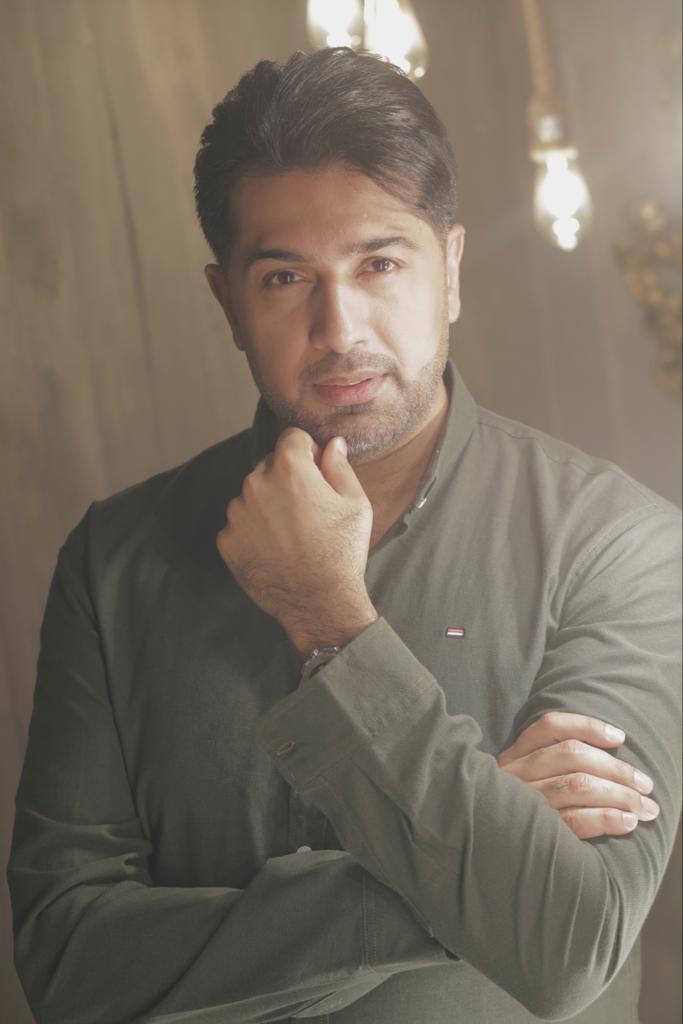
In November 2025, you participated in the Very Short Film Festival (VS-FILM) and were honoured. How was that experience?
It was special because the context was cinematic. The audience was there for art in its broadest sense.
I performed several of my songs and also sang “Zay El Hawa” by Abdel Halim Hafez, alongside Iraqi classics. The interaction was genuine.
Being honoured in a cinematic setting felt like recognition beyond music–it was cultural appreciation.
You have performed at the Arab Music Festival at the Cairo Opera House several times. What does that stage represent for you?
The Cairo Opera House is a prestigious stage. Standing there is a responsibility before it is an honour. The audience listens carefully–they value musical depth.
I always try to present Iraqi heritage in a contemporary way. Heritage must evolve, but without losing its soul.
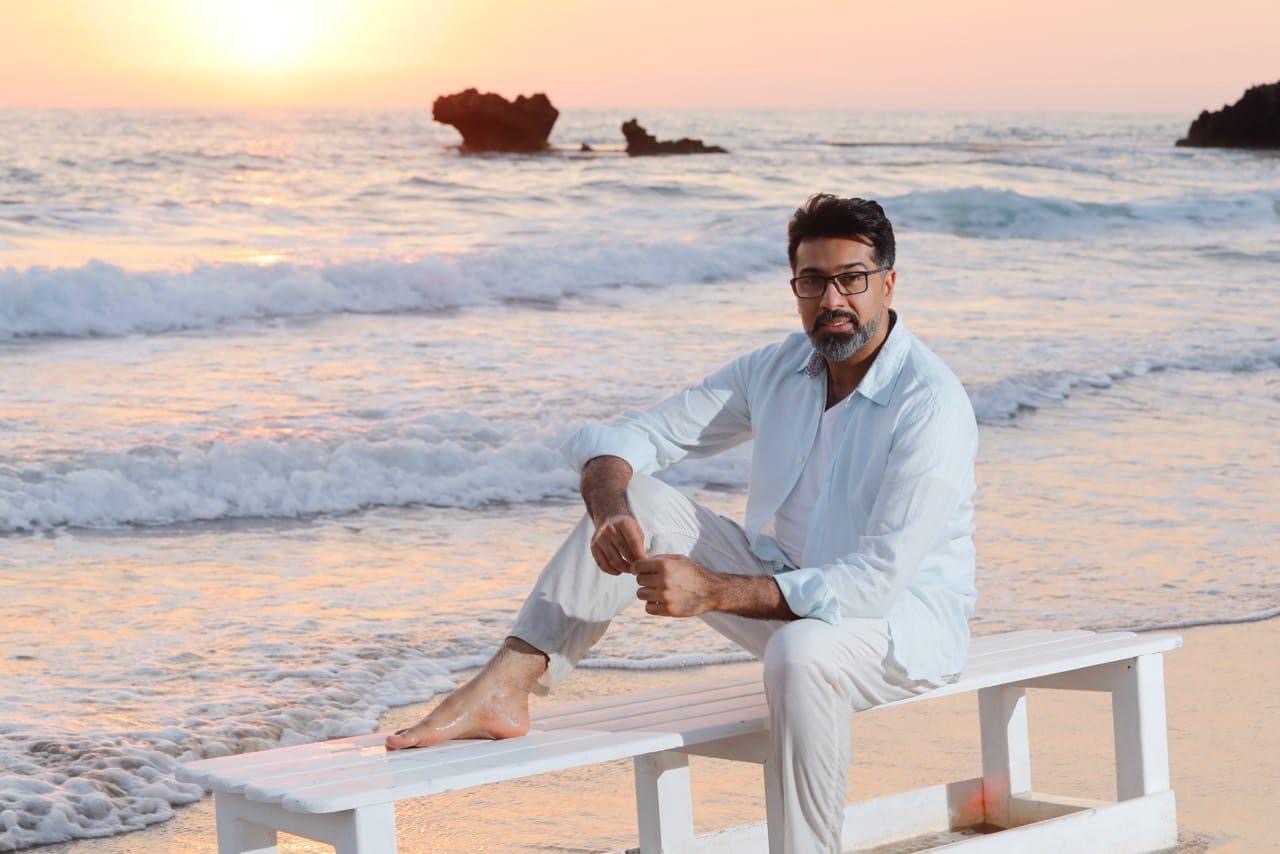
You’ve received acting offers, as well as theme song proposals. Where do you stand?
I’ll be honest; I’m afraid of acting. It’s a different craft entirely. It requires physical expression, timing and a kind of exposure I’m not sure I’m ready for. I don’t enter any experience unless I feel fully confident.
As for television theme songs, I take them very seriously. A theme song can live in people’s memories for years. I’ve received offers and I’m studying them carefully. If the lyrics and melody move me, I won’t hesitate.
You always keep your private life away from the spotlight, why?
Privacy is essential for me. My marriage remains away from media attention because I want to protect it. I prefer to be known for my music, not personal details.
That separation gives me balance, and protects my sincerity as an artist.
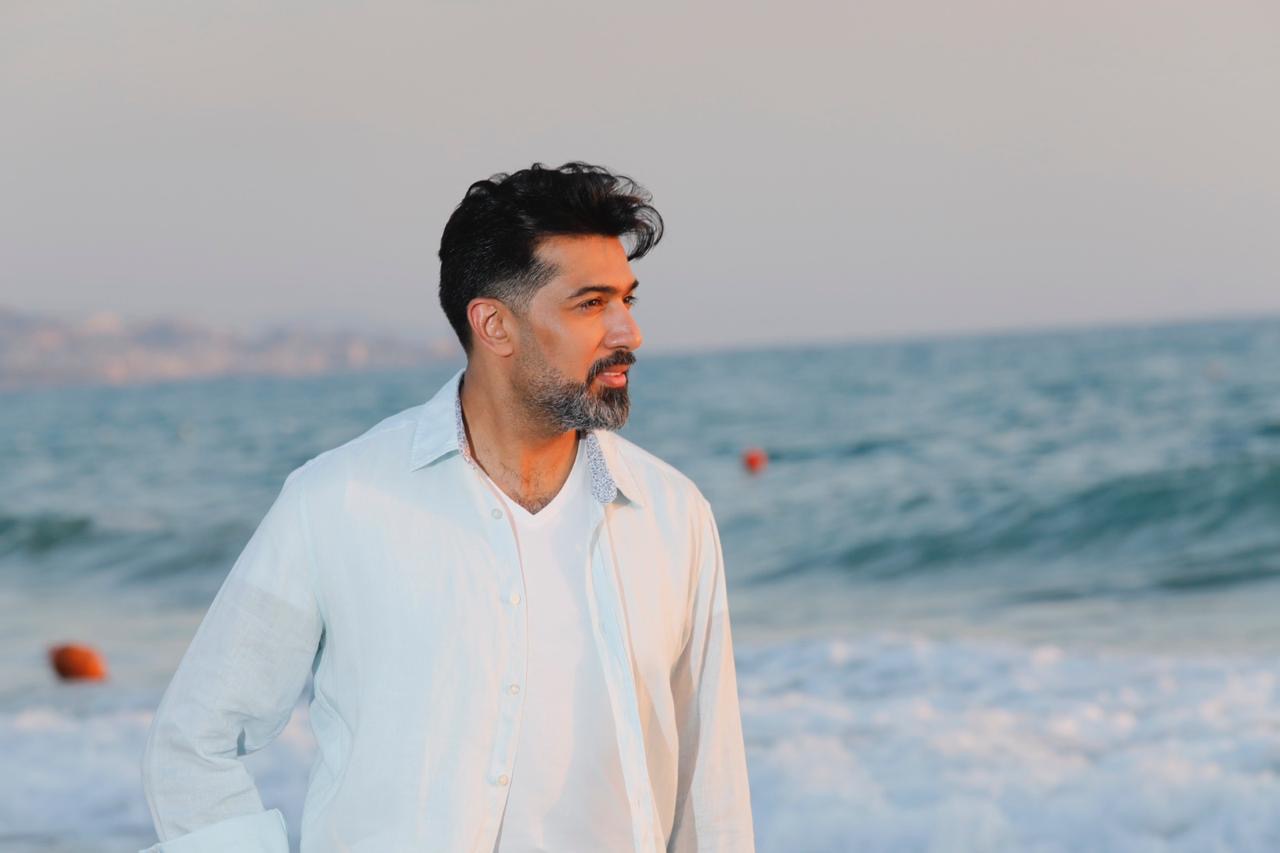
How do you view the future of Iraqi music in the digital era?
Iraqi music is in a strong phase. The Iraqi dialect is now widely embraced across the Arab world, and digital platforms have amplified its reach.
But the challenge is to preserve authenticity. We must avoid superficial trends. My goal is always to merge heritage with modern sound while maintaining a clear artistic identity.
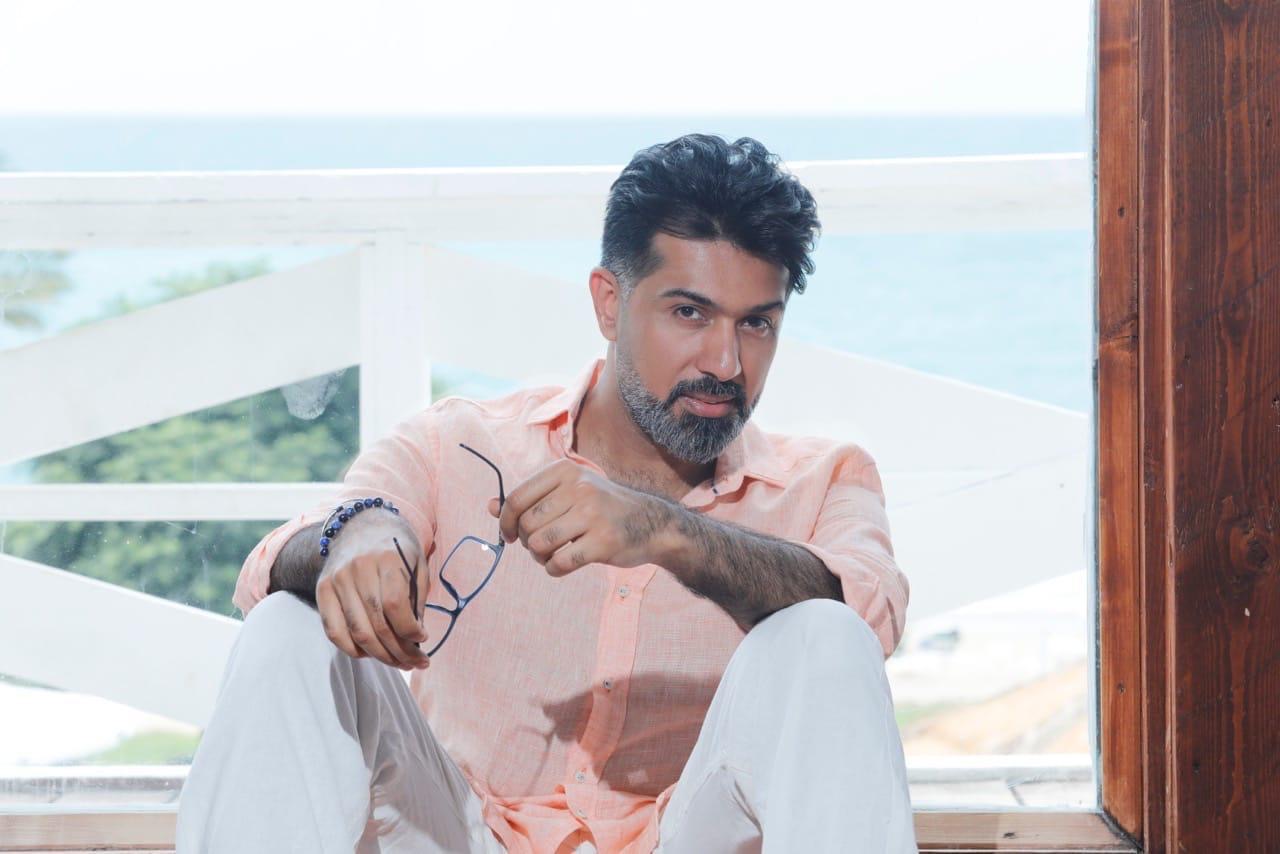
What’s next for you?
I’m preparing songs in the Egyptian dialect, Gulf dialect and even dabke-style tracks.
I would love to collaborate with Kadim Al Sahir, and I’m considering a second heritage album.
There are upcoming concerts across several Arab countries, and I hope to perform again in Iraq very soon. This remains deeply important to me.
Can you send a final message to your audience?
Thank you for your constant love and trust. 2026 will be a year of heartfelt music and hope. Iraq will always live in my heart, and you are part of every step in this journey.


