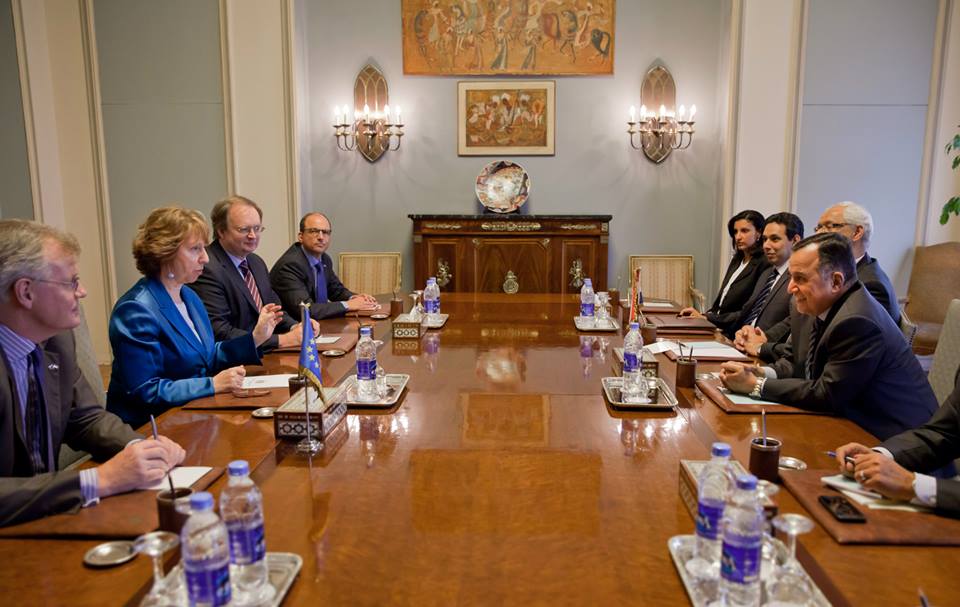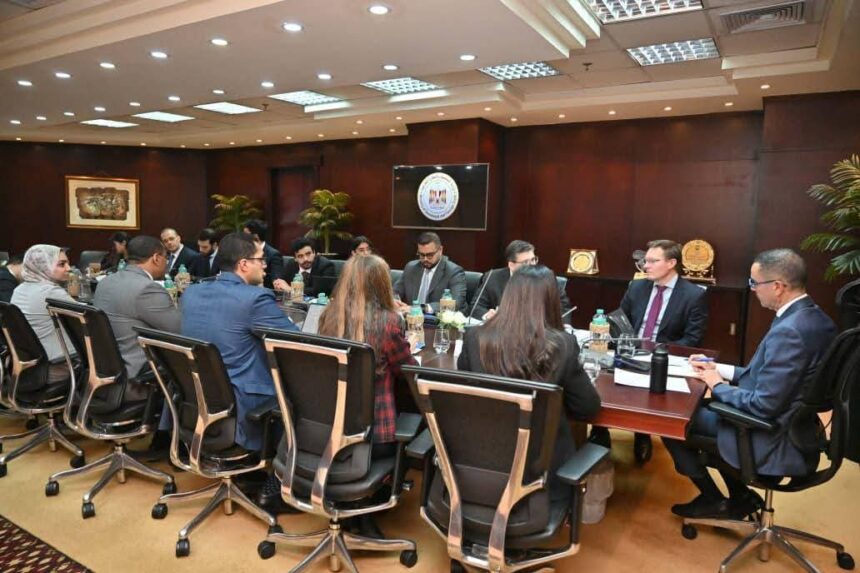
Egypt currently attracts an average of $12bn in foreign direct investment (FDI) annually and has the capacity to double this figure through ongoing structural reforms, Minister of Investment and Foreign Trade Hassan El-Khatib said.
Speaking during a meeting with a delegation from Moody’s Ratings, which included Matt Robinson, Associate Managing Director of Sovereign Risk, and Alexander Perjessy, Vice President and Senior Risk Officer, El-Khatib outlined a comprehensive programme to restructure Egypt’s economic, monetary, and fiscal policies.
The minister stated that recent decisions have led to a “tangible improvement” in net foreign assets and foreign exchange reserves, which have reached unprecedented levels. He added that the government has adopted a “strategic and realistic” approach to energy pricing and subsidy management to correct economic distortions and address inflationary pressures.
On fiscal policy, El-Khatib noted a fundamental shift in coordination with the Ministry of Finance to simplify the tax system. Tax revenues rose by 35% over the past year—the highest rate since 2005—which the minister attributed to a new relationship of trust with the private sector.
The government has prioritised foreign trade by reducing customs clearance times from 16 days to approximately five days, with a further target of two days. El-Khatib said these measures, alongside the decision to operate ports seven days a week, have resulted in annual savings worth billions of dollars and doubled operational efficiency.
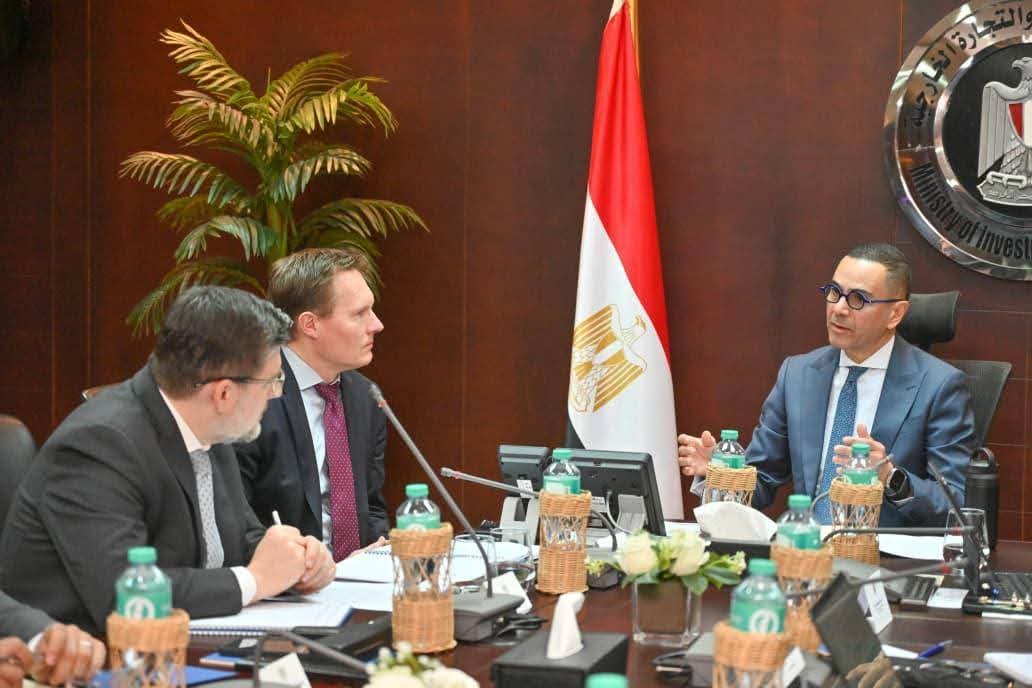
Egypt has also removed a significant number of non-tariff barriers that had accumulated over years, according to the minister. He emphasised the country’s full commitment to World Trade Organisation (WTO) rules and noted that the state has successfully completed more than 20 technical preventive measures in cooperation with relevant authorities to protect national industry while maintaining an open investment environment.
Regarding the business climate, El-Khatib said the government is re-engineering procedures to reduce the time required for investors to obtain licences from an average of 24 months to less than 90 days. This includes replacing a system that required dealing with 41 different entities for 460 services with a single digital platform and an investment map.
“The main indicator of growth in the coming period is the volume of investment, not just traditional indicators,” El-Khatib said, adding that the state targets a sustainable annual GDP growth rate of between 6% and 7%.
The minister identified five strategic pillars for Egypt’s future growth: renewable energy and data centres; electronic chips and high-tech manufacturing; infrastructure; effective operational models; and artificial intelligence. He also highlighted tourism as a key driver, with a new investment map being prepared for the North Coast and Red Sea to increase hotel capacity.
The Sovereign Fund of Egypt is also shifting its focus toward maximising returns from state assets rather than merely holding them, El-Khatib told the delegation.
Moody’s representatives expressed appreciation for the reforms. Matt Robinson noted the importance of transparency and governance in attracting FDI, while Alexander Perjessy praised progress in energy pricing and the digitalisation of licensing procedures, stating these steps support medium-term economic and financial sustainability.
The meeting was attended by Ghada Nour, Assistant Minister for Investment and Promotion; Dalia El-Hawary, Deputy CEO of the General Authority for Investment and Free Zones (GAFI); and Abed Mehran, Assistant to the Minister.