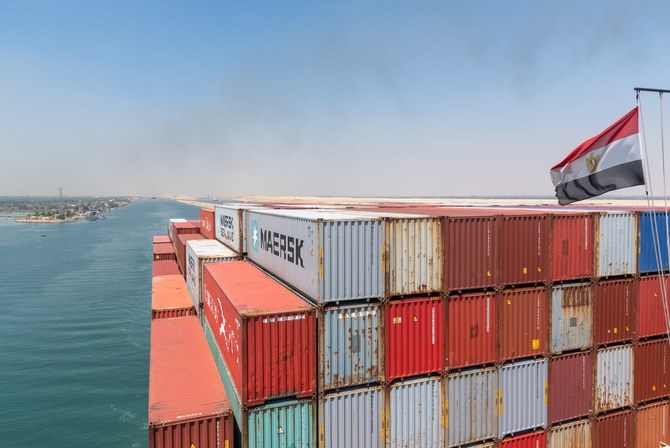
Egypt expects its non-oil merchandise exports to reach between $48bn and $50bn by the end of the current year, marking a 20% annual growth rate, Prime Minister Mostafa Madbouly said on Wednesday.
Speaking at a weekly press conference, Madbouly stated that non-oil exports recorded approximately $40bn in 2024. He affirmed that the national target to increase total exports—including both goods and services—to $145bn by 2030 is achievable in terms of both timing and volume.
The Prime Minister highlighted that the country has recorded its lowest trade deficit in the last ten years, attributing this improvement to the government’s ongoing coordination with export councils to resolve challenges facing exporters.
Investment and Industry
Madbouly announced that the government is finalising a new package of investment facilities and incentives, which President Abdel Fattah Al-Sisi is expected to announce soon. These measures aim to improve the investment climate and support the competitiveness of the Egyptian economy.
Regarding the Suez Canal Economic Zone (SCZONE), Madbouly noted that the zone has recently attracted investments worth $13.5bn. He singled out the Qantara West area as a promising model, with exports from the zone projected to exceed $4 billion in the coming period.
Poverty and Social Impact
Addressing social indicators, Madbouly revealed that the latest official statistics show approximately 29% of Egyptians live below the poverty line.
He acknowledged that economic reform programmes implemented to strengthen the national economy had contributed to a “slight increase” in this percentage. However, he stated that the state is working to mitigate the social impact of these reforms by lowering prices of food products and commodities, while ensuring a stable environment for investors.
Madbouly promised a “qualitative leap” in the level of services provided to citizens in the coming years as part of the state’s comprehensive development plans.
Economic Context
The Prime Minister described 2024 as an “exceptional year by all measures” regarding economic difficulties, particularly affecting the real estate, home appliances, and durable goods markets. He argued that discussions on economic recession must be contextualised, noting that inflation is a global phenomenon affecting even the most advanced nations.
Separately, Madbouly highlighted the involvement of Italian energy group Eni in supporting Egypt’s healthcare infrastructure. He said the company’s work establishing advanced medical facilities reflects a shared vision between the state and its international partners to prioritise human development and health.