


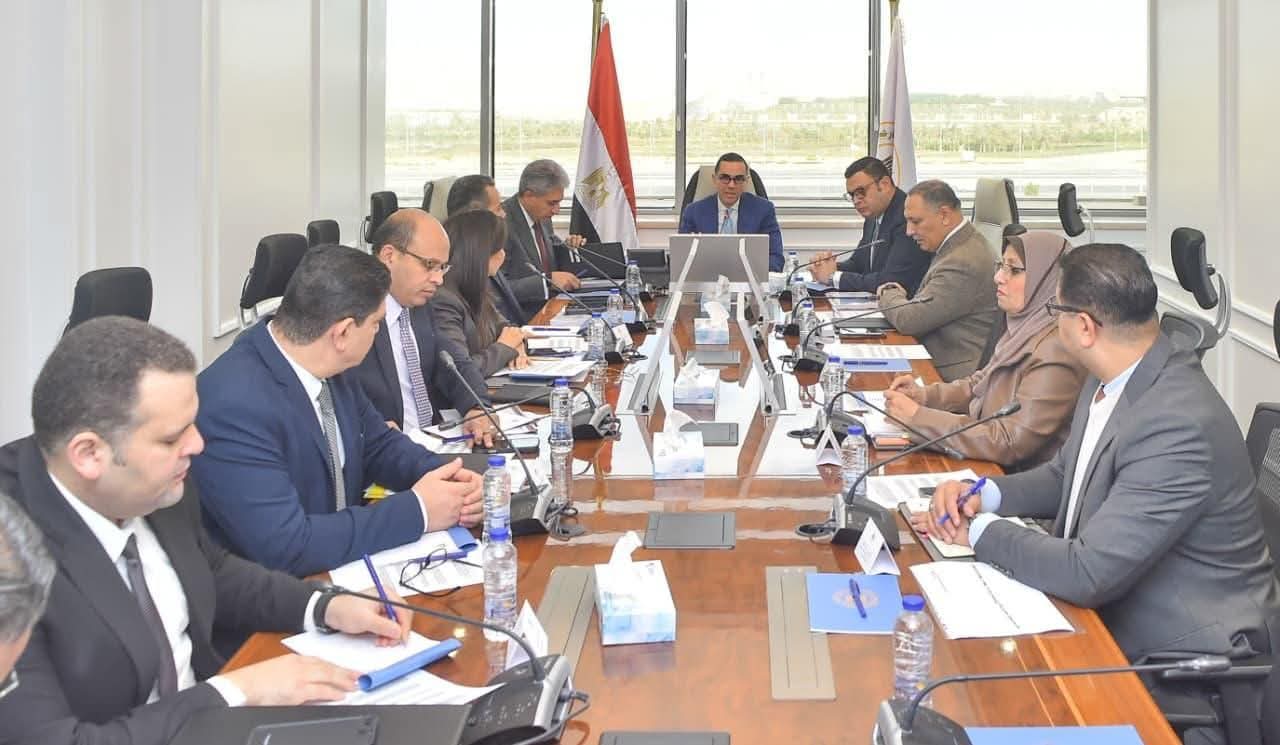
Hassan El-Khatib, Minister of Investment and Foreign Trade, met on Sunday with Sherif Fathy, Minister of Tourism and Antiquities, and Sherif El-Sherbiny, Minister of Housing, Utilities, and Urban Communities at the New Administrative Capital to discuss mechanisms for strengthening investment in Egypt’s tourism sector.
El-Khatib opened the meeting by underscoring the need for a comprehensive investment plan for tourism, including a nationwide map of investment opportunities and clear targets for new hotel capacity across regions and cities. He noted that this vision supports Egypt’s goal of attracting 30 million tourists by 2030, with the ambition to double this figure in the years that follow.
He added that the Ministry of Investment and Foreign Trade is currently restructuring investment procedures by cataloguing all licensing bodies and associated fees and integrating them into a unified digital platform. This, he said, will streamline processes, cut timelines, and ease the regulatory burden on investors across sectors, including tourism — a strategic pillar of the national economy.
El-Khatib stressed the importance of incorporating diverse investment models within the forthcoming plan and securing pre-approvals from the relevant authorities for tourism projects, while requiring implementation within defined timeframes. He also highlighted the need to adopt flexible, investor-friendly public–private partnership models and to apply incentives provided under the law, including the “Golden Licence” for eligible developers.
For his part, Tourism Minister Sherif Fathy said that boosting investment in the sector, in line with the State’s objectives, hinges on issuing pre-approvals for land allocated to tourism projects, accelerating the procedures required to begin operations, and regulating and fixing fees for a set period. These steps, he noted, would encourage foreign direct investment and enhance the value of Egypt’s tourism assets.
Fathy added that the Ministry aims to transform the current investment map from a static document into a “bank of investment opportunities”, accompanied by a complete package of procedures, legislation, and incentives that both attract investors and safeguard the State’s interests. He emphasised that the plan must be implemented through clear and accessible institutional processes.
Housing Minister Sherif El-Sherbiny reiterated the need to expedite approvals for land licensing and issue them in advance of offering land to investors. He also underscored the importance of strengthening public–private partnerships through tailored models for hotel development, with clear pricing mechanisms for land allocated to such projects. Stabilising fees and accelerating procedures, he noted, would enable investors to prepare viable feasibility studies.
At the close of the meeting, the ministers agreed that Egypt’s ambition to expand tourist numbers should be advanced as a national project reflecting the priority assigned to the tourism sector by the political leadership. They also agreed to form a joint taskforce comprising representatives from the three ministries and their affiliated bodies to develop a unified tourism investment plan aimed at tripling tourist arrivals in the coming years. The plan will outline investment models, partnership frameworks, and mechanisms to stimulate increased foreign investment in Egypt’s tourism industry.


