

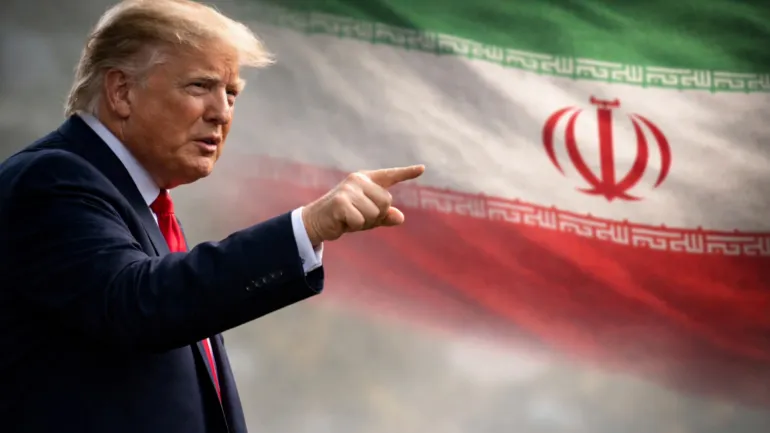
Tensions surrounding the future of the Strait of Hormuz have escalated after Iranian officials unveiled new legislative and military steps aimed at consolidating control over the vital shipping route, while US-Iran negotiations to sustain a ceasefire and end the war face mounting obstacles.
Ebrahim Azizi, head of Iran’s parliamentary national security committee, said proposed legislation would place the Strait formally under the authority of Iran’s armed forces. He noted that Iranian forces already exercise de facto control and are seeking to prevent what he described as “hostile vessels” from transiting. The proposal would also require transit fees to be paid in Iranian rials, a move that could significantly reshape global shipping and energy dynamics.
The developments come as Iran, via Pakistani intermediaries, submitted a new proposal to Washington focused on reopening the Strait and lifting the maritime blockade in exchange for ending the war, while deferring nuclear negotiations to a later stage, according to Axios, citing US officials and informed sources.
US President Donald Trump, speaking during a national security meeting at the White House, said his administration was reviewing next steps following stalled talks. The White House reiterated that any agreement must permanently prevent Iran from acquiring nuclear weapons.
Iranian Foreign Minister Abbas Araqchi said “excessive US demands” had hindered progress despite earlier advances, adding that Tehran is reviewing a US proposal to resume negotiations while continuing consultations with Russia, Oman, and Pakistan over Hormuz and broader diplomatic arrangements.
The divergence highlights a dual-track challenge for diplomacy: securing an immediate arrangement to safeguard shipping and energy flows, while preserving the longer-term political track linked to Iran’s nuclear programme.
In Europe, German Chancellor Friedrich Merz said the United States appeared caught in a conflict without a clear exit strategy, arguing that Iran had proven “stronger than expected” and that Washington lacked a coherent negotiating framework; remarks seen as rare criticism from a key Western ally.
Meanwhile, Russia stepped up its political backing for Tehran. President Vladimir Putin said Moscow would do everything possible to support a peaceful resolution that safeguards both Iran’s interests and regional stability, reaffirming the strategic partnership between the two countries. The Kremlin also signalled readiness to mediate if required.
Regionally, Egypt intensified diplomatic engagement. Foreign Minister Badr Abdelatty held discussions with US envoy Steve Witkoff on the trajectory of US-Iran talks, stressing the importance of sustaining diplomatic efforts while addressing Gulf security concerns.
At the same time, Iran faces growing humanitarian and healthcare pressures as the conflict continues. The health ministry reported damage to dozens of hospitals and emergency facilities, alongside worsening shortages of medicines and essential supplies for patients with chronic conditions.
