

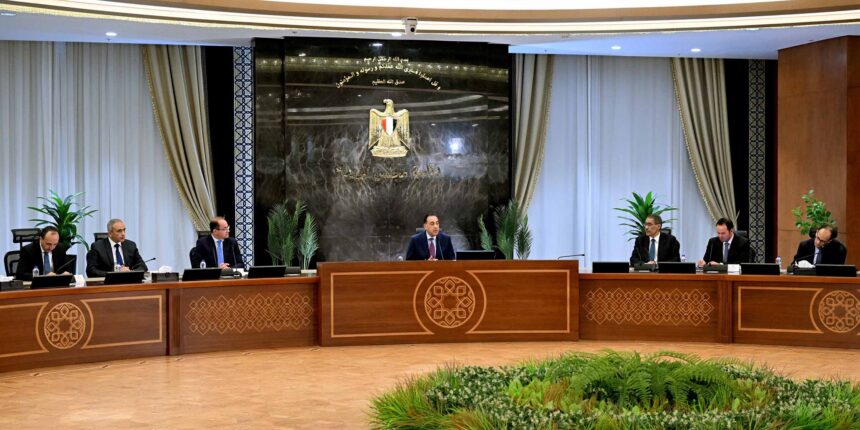
Egypt will bring forward the payment of government salaries for the next two months to ease financial pressures on households during Ramadan and Eid al-Fitr, Prime Minister Mostafa Madbouly announced on Sunday.
Speaking at a press conference at the government headquarters in the New Administrative Capital, Madbouly said the decision aims to help families better manage their expenses during the holy month and the subsequent Eid holiday. The move comes as part of a broader EGP 40.3bn social protection package.
The Prime Minister said the package will be implemented immediately and continue until the end of the current fiscal year on June 30, 2026. It is designed to support citizens’ living standards and ensure that the benefits of economic reforms are directly felt by households.
The social protection package is structured around four key pillars:
Direct cash support: Two cash installments will be provided – one for Ramadan and another for Eid al-Firt – targeting 15 million households. This includes five million families already enrolled in the “Takaful and Karama” programme, along with 10 million additional low-income households identified through official government databases.
Healthcare support: The package allocates EGP 3bn for beneficiaries of the state-funded treatment program, an additional EGP 3bn to accelerate surgical procedures and reduce waiting lists, and more than EGP 3bn to fast-track the inclusion of Minya in the Universal Health Insurance system starting April 2026, ensuring comprehensive coverage for its seven million residents.
Agricultural support: EGP 4bn will cover price differences for wheat procurement, ensuring farmers receive fair compensation for the upcoming harvest season from late April to June.
Rural development: Through the “Decent Life” initiative, EGP 15bn is dedicated to accelerating around 1,000 projects in rural communities, including water, sanitation, and other essential services. Completion of the first phase of these projects is planned before the end of the current fiscal year.
Madbouly stressed that the government aims to ensure the benefits of economic reforms reach citizens directly and alleviate household financial pressures.
He also highlighted directives from President Abdel Fattah Al-Sisi to include a “non-ordinary” increase in salaries and wages in the next fiscal year’s budget, prioritizing teachers, healthcare workers, and medical staff. The government will review the proposed wage increase in detail during the upcoming budget presentation to maximise its impact and provide meaningful benefits to citizens.
The package reflects Egypt’s broader effort to strengthen social safety nets, support low-income families, and ensure that economic growth translates into tangible improvements for households, particularly during key cultural and religious periods such as Ramadan and Eid al-Fitr.


