On the plush, cabin-lit interior of Air Force One on Friday night, President Donald Trump struck a rare chord of cautious optimism. Addressing reporters as the aircraft cut through the evening sky, the President characterised the opening round of indirect talks with Iran in Muscat as “very good,” asserting that Tehran “wants to make a deal badly.” Yet, the diplomatic overture was framed by a familiar steel; even as he spoke of a potential “different” deal, Trump pointedly reminded his audience that a “large American fleet” was moving toward the region, and the military option remained firmly on the table.
The stakes in Oman are profoundly high. These discussions represent the first diplomatic contact between Washington and Tehran since the joint U.S.-Israeli strikes on Iranian targets last June—an escalation that brought the two nations to the precipice of open conflict. For the Islamic Republic, the motivation is existential: a crumbling economy, ravaged by Western sanctions and punctuated by last month’s violent domestic protests, has left the leadership in Tehran desperate for a financial lifeline.
The Muscat Pivot: A High-Stakes Gamble for Iran
The resumption of talks in Muscat marks a critical pivot in the Trump administration’s “maximum pressure” campaign, shifting from pure kinetic deterrence to a coercive diplomatic phase. While Washington seeks a comprehensive treaty that curtails not only nuclear enrichment but also regional proxy activities, Tehran is banking on a narrow nuclear agreement to unlock frozen assets and stabilise a volatile domestic front. The “Why Now?” is clear: with Iran’s economy at a breaking point and the U.S. military posture at its highest readiness in years, both sides see a narrow, albeit dangerous, window for a “different” kind of settlement before the current tensions boil over into a broader regional war.
Shadow Diplomacy and the Military Observer
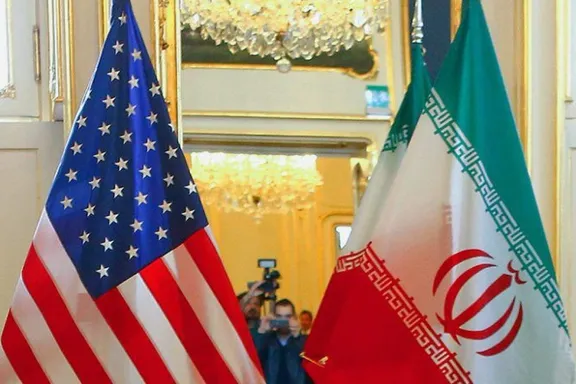
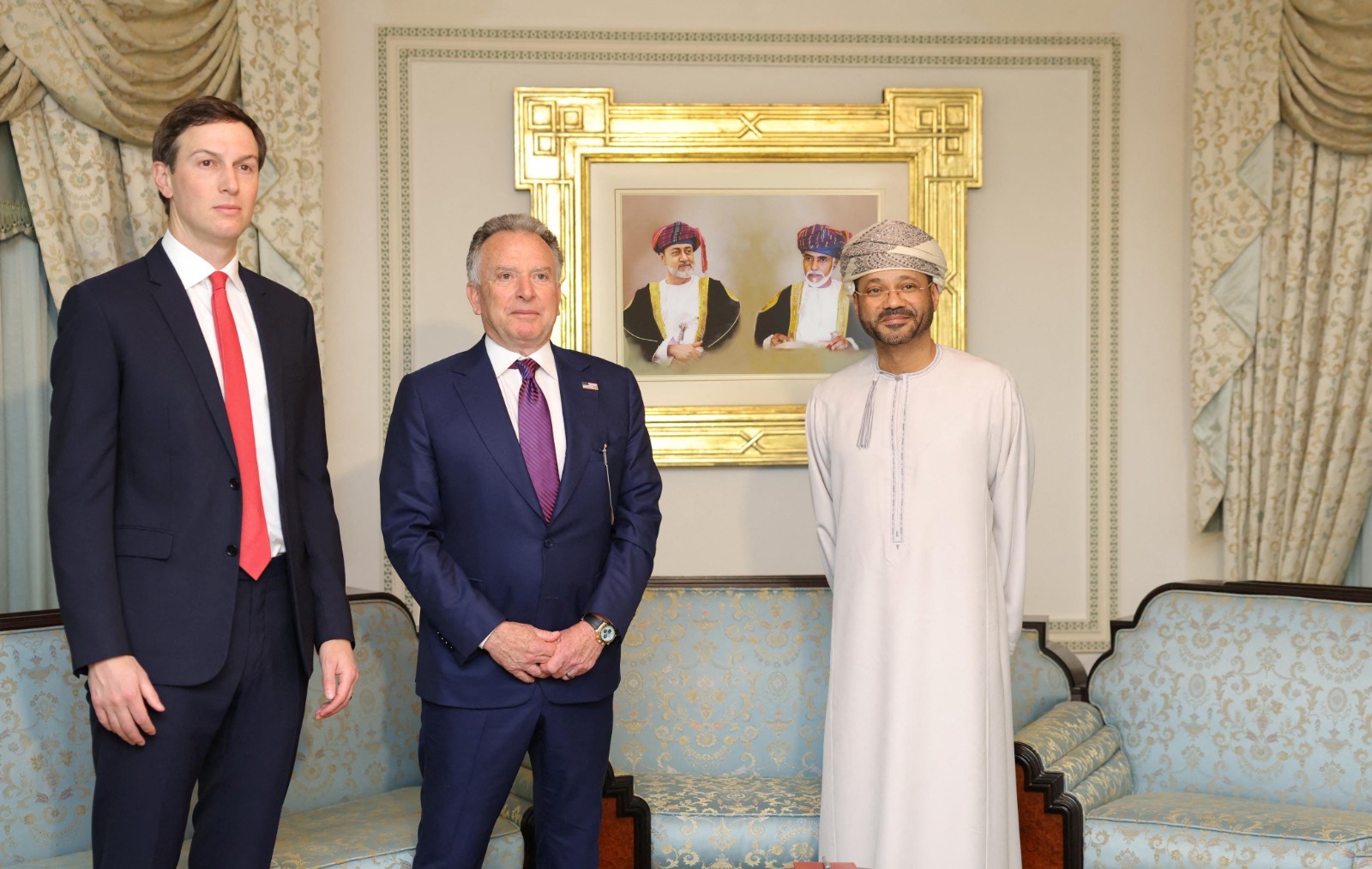
The talks, mediated by Omani Foreign Minister Badr Albusaidi, functioned as a sophisticated game of “telephone.” U.S. Special Envoy Steve Witkoff and Presidential Advisor Jared Kushner led the American side, while Iran’s Foreign Minister Abbas Araghchi headed the Tehran delegation. Notably, the two sides did not meet face-to-face. Instead, Omani officials shuttled between rooms, conveying positions that remain, at their core, fundamentally opposed.
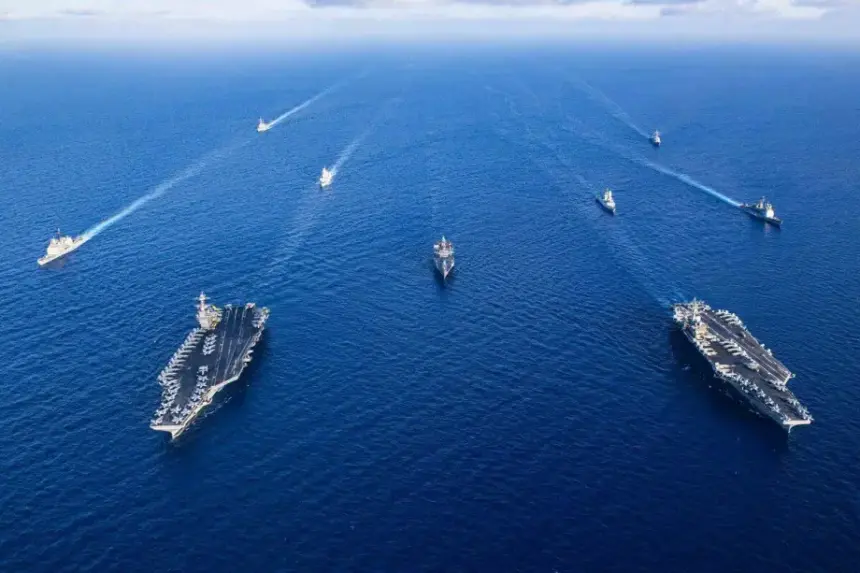
Adding a layer of “Peace through Strength” to the diplomatic theatre was the presence of Vice Admiral Brad Cooper, commander of U.S. Central Command (CENTCOM), who attended the opening sessions. His presence served as a silent reminder of the USS Abraham Lincoln, which the Pentagon confirmed was sailing through the Arabian Sea on Friday, flanked by a strike group in a coordinated “readiness exercise.”
“It was a good start,” Araghchi told Iranian state television, though he admitted a “climate of mistrust” persists. “How these talks proceed depends on consultations with our capitals. There was a near-consensus to continue, and we agreed to meet again early next week.”
Red Lines and the Enrichment Impasse
Despite the “positive atmosphere” cited by mediators, the technical divide remains vast. According to sources familiar with the discussions, Iran continues to reject the primary U.S. demand: the total cessation of uranium enrichment or its transfer abroad. For Tehran, domestic enrichment is a matter of national sovereignty; for Washington, it is a “red line” that signifies a latent nuclear weapons capability.
Araghchi was explicit in his post-meeting briefing, stating that Tehran would only discuss the nuclear file. He categorically rejected any inclusion of Iran’s ballistic missile programme or its regional alliances—the very “broader terms” that Trump has insisted must be part of any “different” agreement.
Key Stakeholder Primary Objective Non-Negotiable Red Line
United States Comprehensive regional stability Domestic uranium enrichment
Iran Sanctions relief & economic survival Ballistic missile programme & regional influence
Oman Regional de-escalation Violation of Omani neutrality
Economic Warfare: Tariffs and the Shadow Fleet
While the diplomats talked, the White House continued to tighten the economic noose. On Friday, the State Department announced fresh sanctions against 15 entities and two individuals, alongside the identification of 14 vessels belonging to Iran’s “shadow fleet”—the clandestine network of tankers used to bypass oil export bans.
The most significant escalation, however, came via a new Executive Order. President Trump authorised the imposition of tariffs—potentially as high as 25%—on any nation that continues to purchase goods or services from Iran. This move, which gives the Secretaries of State and Commerce joint authority to penalise trade partners, threatens to disrupt U.S. relations with major economies including India, Turkey, and China.
The U.S. State Department justified the move as a necessary measure to starve the “major source of revenue” used by the regime to support external activities and “oppress its own citizens.” The administration remains buoyed by the recent wave of protests in Iran, which were sparked by currency devaluation and the rising cost of living.
Iran’s Choice: Diplomatic Thaw or Military Storm
As negotiators prepare to return to Muscat next week, the shadow of the June strikes and the recent domestic unrest looms over every proposal. President Trump’s dual-track strategy—offering a seat at the table while moving a carrier strike group into the Arabian Sea—has forced Tehran into a corner. Whether this “different” deal can be forged depends on whether Araghchi returns from Tehran with the authority to compromise on enrichment, or if the “harsh consequences” Trump promised on Air Force One become the new regional reality.