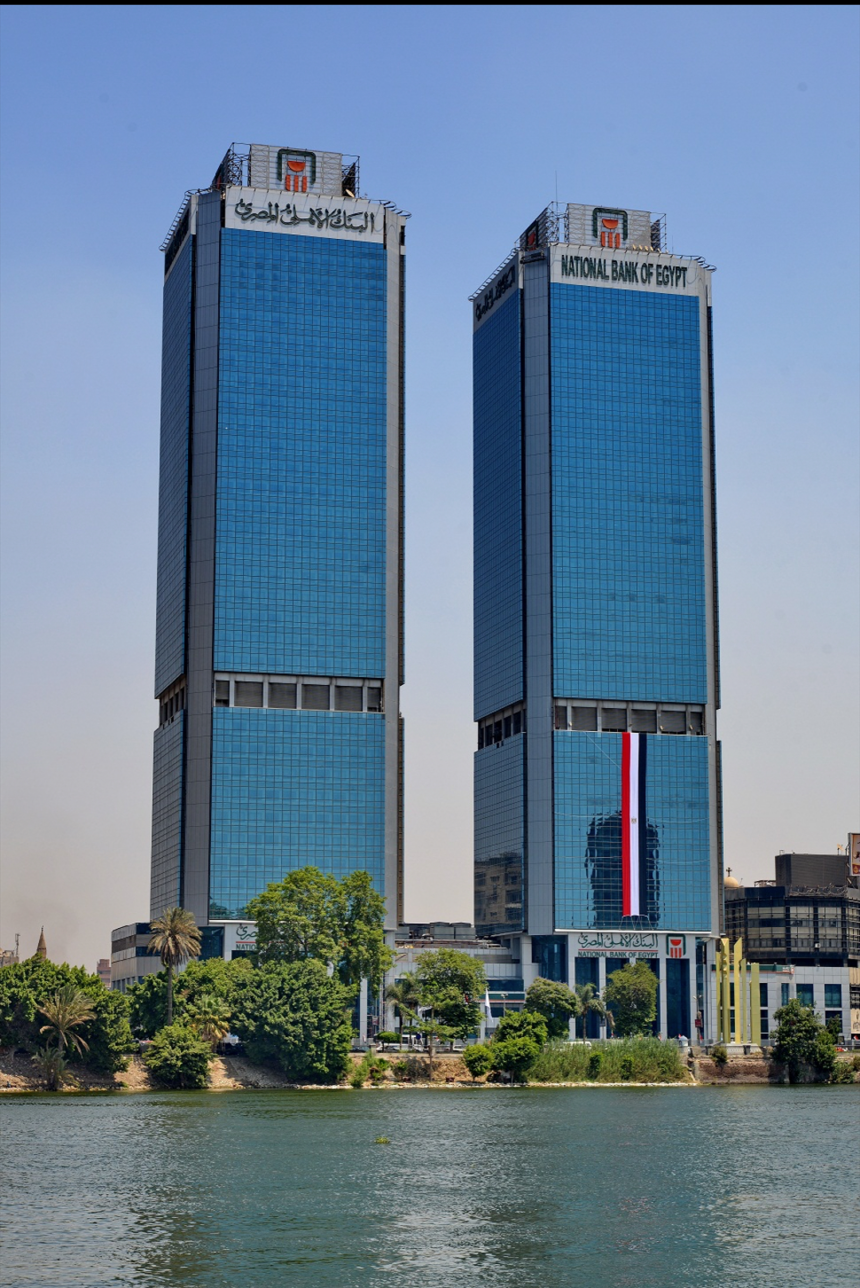
The National Bank of Egypt (NBE) continues to consolidate its position as Egypt’s largest financial institution in terms of the size of its corporate finance and syndicated loans portfolio, recording steady growth across its credit and financing indicators during the current financial year. This performance reflects the strength of the bank’s financial position and its balanced strategy to support the national economy through financing major projects across a wide range of productive and service sectors.
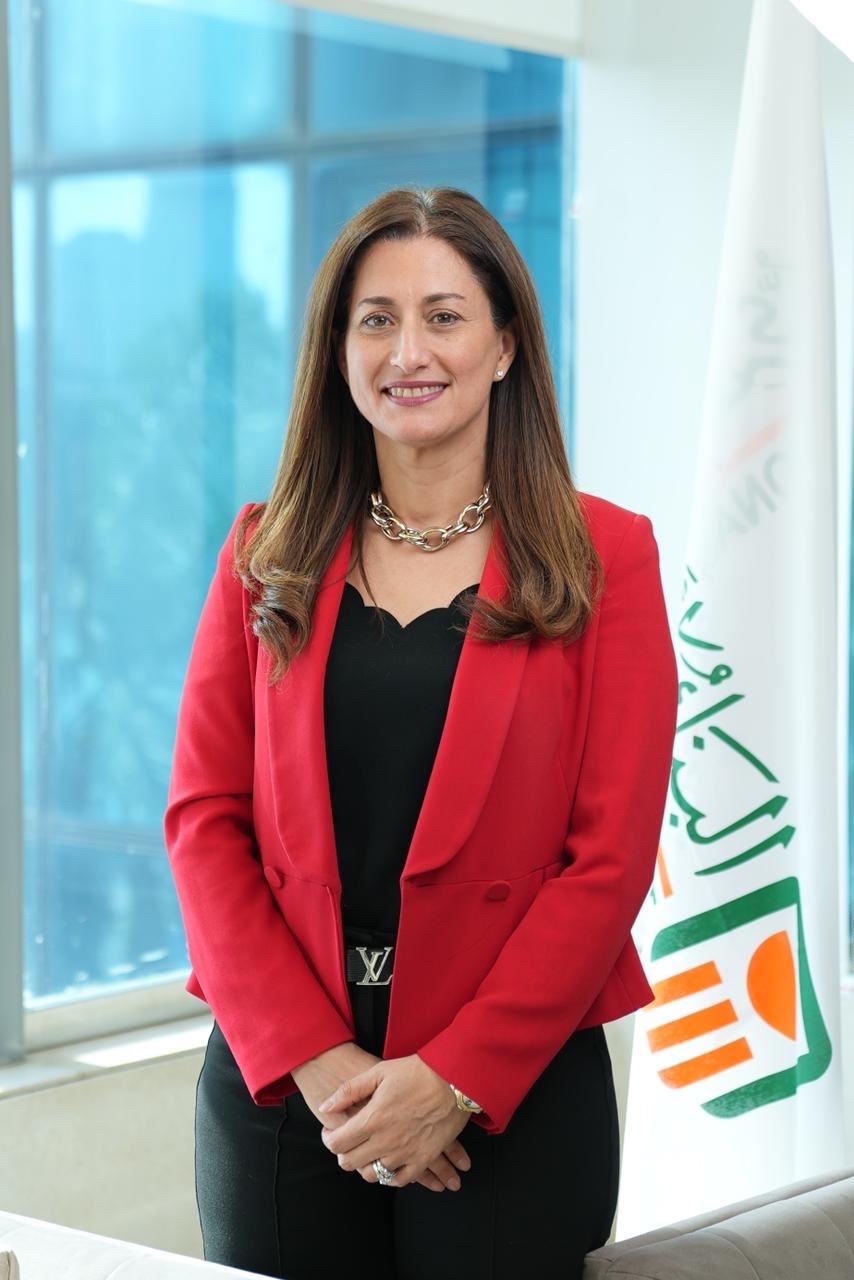
Soha El-Turky, Deputy CEO of the bank, said NBE’s corporate finance and syndicated loans portfolio reached around EGP 4.8trn in 2025, representing growth of nearly 18% compared to 2024. This expansion further strengthened the bank’s market share, which stands at around 48% of Egypt’s total banking credit market.
She explained that the portfolio was distributed between EGP 4.04trn in direct financing, including medium- and long-term loans and working capital credit facilities, and EGP 754bn in indirect financing, covering letters of credit and letters of guarantee.
The total number of large corporate clients reached around 1,578 active clients, in addition to 360 credit cases currently under review and 45 cases at the final approval stage, with a combined value of nearly EGP 150bn.
Syndicated loans
El-Turky added that the National Bank of Egypt remains the largest bank financing syndicated loans in the Egyptian banking market. During 2025, the bank arranged more than 33 syndicated financing transactions with a total value exceeding EGP 442bn, while NBE’s share amounted to around EGP 205bn of the overall financing.
This included 23 transactions in which the National Bank of Egypt acted as facility agent, in addition to its roles as lead arranger, bookrunner and documentation bank.
Among the most prominent deals arranged by NBE were financing transactions for the Egyptian Bioethanol Company, El Sewedy University of Technology, the Egyptian Company for Solid Waste Recycling, Puridive, Orange Egypt, the Egyptian Emirati for Touristic Development Company, Drive Finance, Inertia Egypt, Mashareq Real Estate Developments, and Sky Innovo Developments.
In addition, the bank served as financial adviser on a number of strategic projects, most notably the Silicon Metal Production and Derivatives Complex, launched by Alamein for Silicon Products Company, and contributed to arranging securitisation bond and sukuk issuances for several clients. The National Bank of Egypt participated in 23 issuances with a total value of EGP 70bn, with the bank’s share amounting to EGP 14bn.
The bank also succeeded in restructuring a number of syndicated loans in cooperation with local and international banks, contributing to improving financing structures and reducing borrowing costs for Egyptian companies.
Economic and social development
El-Turky confirmed that the National Bank of Egypt continues to play its role as a key driver of economic and social development in Egypt, stemming from its commitment to achieving the Sustainable Development Goals and Egypt Vision 2030 through the expansion of green and sustainable project financing. Financing directed towards environmental and social projects reached approximately EGP 428.8bn by end-September 2025.
These financings covered projects in solar energy, water treatment, sustainable transport and green buildings, in addition to supporting industrial companies in transitioning towards low-carbon-emission production systems.
The National Bank of Egypt also places particular emphasis on financing productive sectors that create jobs and generate added value for the economy. The contracting and real estate development sector accounted for the largest share of financing in 2025, at around EGP 30bn, followed by the transport sector at EGP 28bn, then the manufacturing industries sector, and the electricity and renewable energy sector.
The bank’s portfolio of financing directed to the tourism sector reached around EGP 6bn, within the framework of the Central Bank of Egypt’s initiative to modernise hotel facilities and develop tourist destinations.
In addition, the bank is currently reviewing new financing worth EGP 150bn, which is undergoing assessment and study, focused on the petroleum, petrochemicals, glass, aluminium, transport and food industries.
Social sustainability projects
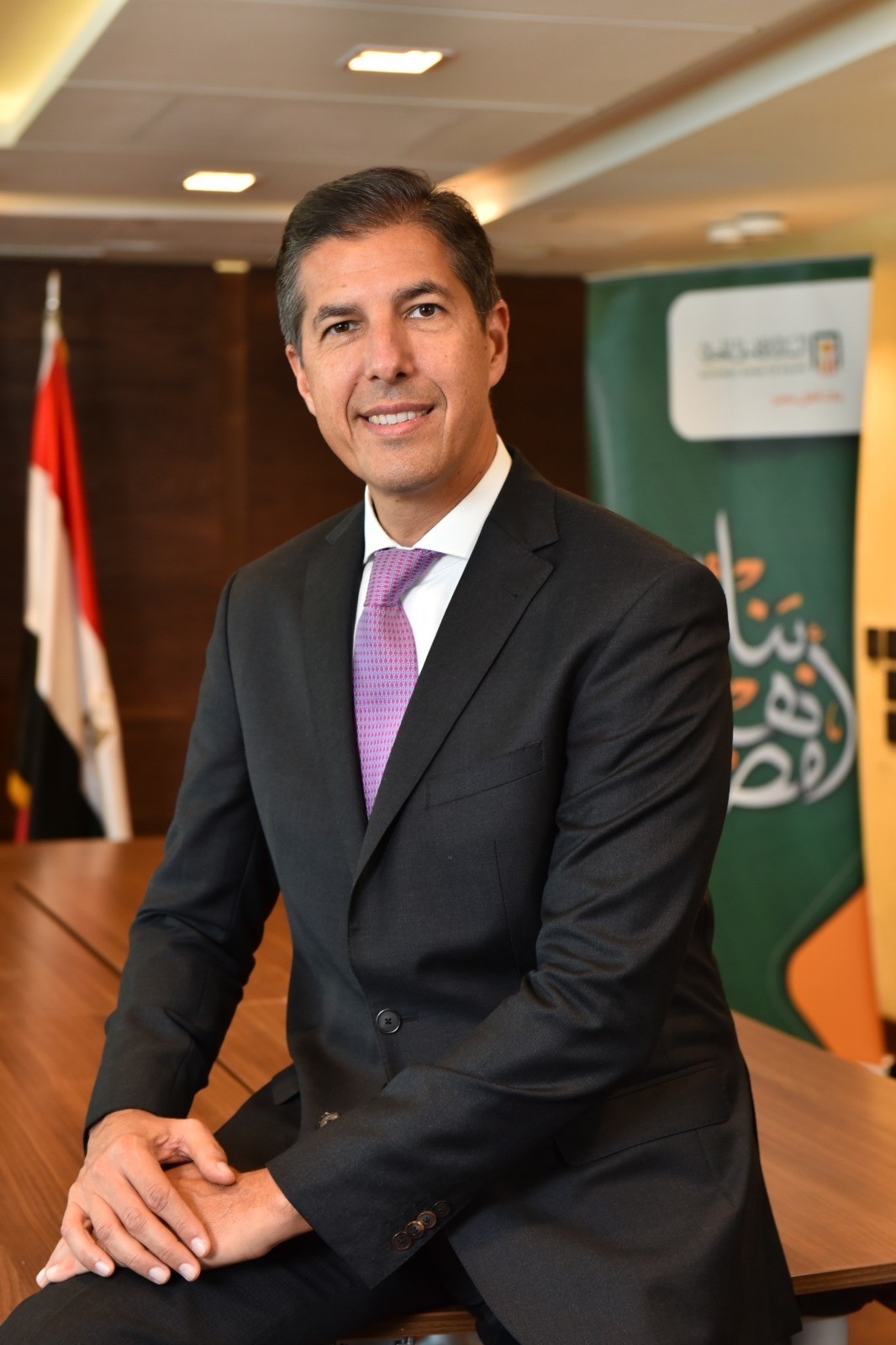
Sherif Riad, Executive Head of Large Corporate Financing at the National Bank of Egypt, said the bank’s role also extends to supporting social sustainability projects with broad impact. These include financing initiatives of the Social Housing and Mortgage Finance Fund, plans to develop the modern transport system – including environmentally friendly modes of transport – and major regional connectivity projects such as the high-speed rail, which contribute to improving quality of life and enhancing social and economic inclusion.
Riad noted that, as part of supporting the green transition, the bank also contributes to securing external financing through a range of FI Finance Programmes, in cooperation with several international institutions. These include the European Bank for Reconstruction and Development (EBRD), the Industrial Pollution Control Programme, the European Investment Bank (EIB), the China Development Bank, the Asian Infrastructure Investment Bank (AIIB), the Federation of Industries, the Abu Dhabi Exports Office, the French Development Agency, and the Green Growth Fund. These efforts aim to enhance the bank’s capacity to finance green projects and support companies in shifting towards low-emission production systems.
Sustainable finance
The National Bank of Egypt is targeting annual growth of 10% in its sustainable finance portfolio through 2027, reflecting its firm commitment to supporting green transition projects, strengthening the resilience of the Egyptian economy, and building a more sustainable future for coming generations.
Riad confirmed that NBE is the first bank in Egypt to provide electronic services supporting the digital transformation of large corporate financing through two main pillars. The first is the internal pillar, which focuses on improving the time required to issue credit approvals, reflected in overall performance and client service through the application of a fully automated mechanism to manage credit approvals, workforce processes and sales teams, including the implementation of a Customer Relationship Management (CRM) system.
The second is the external pillar, which involves direct engagement with clients through the introduction of a new mechanism based on artificial intelligence to receive and assess financing requests or propose new financing options by analysing client transactions and identifying suitable offerings, thereby significantly reducing time and effort.
Internet and mobile banking
The corporate banking sector has also focused on expanding internet and mobile banking services for large companies, with continuous updates to provide a full range of premium services. These include trade finance, cash management, government payments, bulk payments, treasury and foreign exchange services, receivables and payables reports, SWIFT services and account statements.
This is complemented by equipping staff with the necessary technology and tools to verify and complete customer data and documentation required to open accounts, update details or obtain signatures in a fully automated and immediate manner. This is in addition to applying programmes that facilitate and automate procedures, such as I-Score, the commercial register, and Moody’s.
Financing national projects
The National Bank of Egypt continues to play its leading role as the largest national bank financing major national projects, directing its resources towards supporting sustainable and productive investment while maintaining asset quality and strong liquidity ratios.
The bank provides the necessary financing to various sectors as a strategic partner in these projects, in pursuit of sustaining its role in supporting both public and private sector initiatives with sound creditworthiness and economic feasibility, positively reflected in overall economic performance.
This is demonstrated through the bank’s participation in extending financing to the National Egyptian Railway Industries Company, contributing to funding part of the investment costs of establishing a factory in the East Port Said industrial zone. The facility will serve as a fully equipped industrial platform to meet the Ministry of Transport’s expansion needs for manufacturing railway carriages for local and regional markets, representing the first project of its kind in Egypt aimed at localising railway carriage production.
The bank also participated in a long-term syndicated financing for the Social Housing Fund and mortgage finance support for projects implemented under the “Housing for All Egyptians” initiative, in line with the President’s directives.
Over the next three years, the National Bank of Egypt is targeting raising its project finance portfolio to EGP 6trn, reaffirming its role as a key engine of economic and social development in Egypt.
Awards from international institutions
Riad confirmed that the National Bank of Egypt’s strong performance in corporate financing and syndicated loans has been reflected in the bank receiving numerous awards from leading international institutions, including EMEA Finance, Global Banking & Finance Awards, and African Banker Awards.
As part of NBE’s continued progress in sustainable finance, the bank achieved a new milestone in 2025 by winning 10 prestigious regional and international awards from global institutions in recognition of its efforts to strengthen sustainability principles and environmental, social and governance (ESG) practices. The awards also recognise the bank’s prominent role in financing sustainable banking transactions, environmental initiatives, and best practices in managing green finance.
These achievements reflect the National Bank of Egypt’s leading position at both regional and international levels and confirm its success in developing innovative financing solutions that support the green transition and contribute to achieving sustainable development goals.