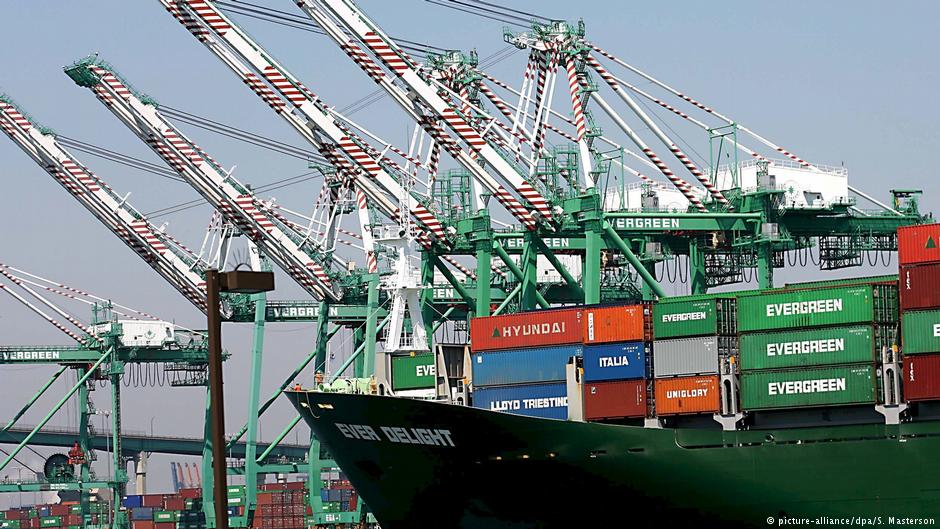
After more than two decades leading manufacturing and consumer-goods operations across international markets, my outlook on Egypt’s personal-care sector remains resolutely optimistic. We are witnessing a fundamental shift where the industry is no longer defined by cost efficiency alone. Instead, it is being reshaped by scale, export readiness, and the ability to operate as a sophisticated, integrated end-to-end value chain.
Egypt possesses the essential structural pillars required to compete on the global stage, including geographic proximity to key markets, a maturing industrial base, and a workforce increasingly capable of meeting international standards.However, these advantages are merely the baseline. The true differentiator in today’s volatile market is leadership discipline. Success now hinges on the ability to transform local manufacturing platforms into resilient, export-driven ecosystems that are robust enough to withstand inflationary pressures, navigate supply-chain volatility, and adapt to the rapid shifts in consumer demand.
Throughout my career, I have championed a singular operational philosophy known as “From Source to Sell.” By optimizing the full value chain and ruthlessly strengthening unit economics, I have led large-scale transformations that achieved 2X and 3X growth. The results of this model speak for themselves, as we successfully expanded exports to more than 30 countries across Europe, Asia, Africa, and the Middle East. In several instances, export volumes reached 80% of total production while increasing local content to 65%. This is a model that aligns directly with Egypt Vision 2030, positioning the nation as a strategic industrial hub for the region and the world.
In the modern industrial landscape, sustainability and human capital are no longer peripheral concerns but rather economic imperatives. Environmental stewardship, through energy-efficient manufacturing and responsible sourcing, is essential for long-term competitiveness in a world that demands carbon accountability. Simultaneously, we must align workforce capabilities with global benchmarks through a “capability-first” approach. This requires a dedicated focus on TVET (Technical and Vocational Education and Training) reform and aggressive leadership development to ensure our talent can compete at the highest levels.
My approach to industry is informed by what many call the “4-Dimensional Strategist” framework, which bridges the gap between corporate transformation, national policy advisory, executive coaching, and the grit of endurance athletics. As a certified ICF executive coach and an endurance athlete, I view industrial transformation as a marathon rather than a sprint. It requires a rare blend of long-term vision and the relentless, day-to-day execution of a disciplined competitor.
As Egypt’s manufacturing sector continues to mature, my focus remains steadfast on scaling globally competitive platforms and fostering the next generation of leadership. By building sustainable industrial frameworks, we do more than improve business performance; we contribute to a national legacy of development and economic resilience.
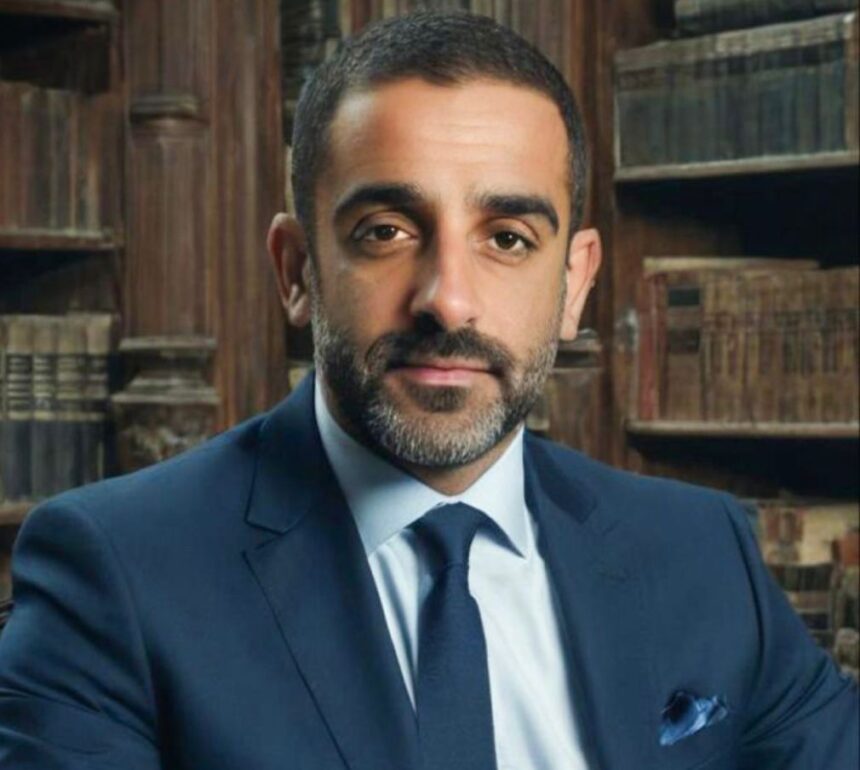
Mohamed R. El-Demerdash is a multinational operations executive with more than 21 years of leadership experience, widely recognized for transforming complex manufacturing platforms.