

Egypt’s Ministry of Water Resources and Irrigation plans to expand digital twin technology to major canals across the country following its deployment on the Ismailia Canal, where real-time monitoring, artificial intelligence and drones are being used to improve water distribution.
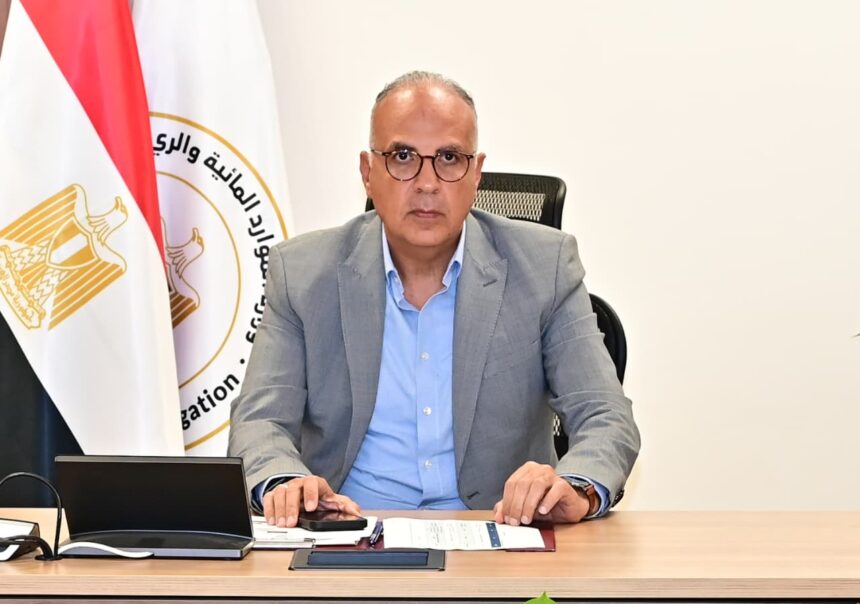
Water Resources and Irrigation Minister Hani Sewilam ordered officials to prepare an integrated plan to extend the technology to other major canals, prioritising areas where it is most needed, the ministry said.
The Ismailia Canal project currently covers 32 branch canals, 119 drinking-water stations and 20 industrial facilities, using real-time monitoring systems to track water levels and flows around regulators, barriers and canal intakes around the clock.
Data collected by the system are being used to monitor daily water consumption and withdrawals by drinking-water stations and develop smart distribution schedules based on actual demand and priorities.
The system is intended to improve water allocation and ensure that supplies reach the ends of the irrigation network more efficiently.
The ministry has also tested advanced cameras to measure water flows, while drone surveys are being completed to create a digital representation of the Ismailia Canal that can be used to monitor changes over time.
Telemetry systems are being expanded along the canal to provide continuous measurements and establish relationships between water levels and actual flows.
The pilot aims to gradually shift irrigation management from relying primarily on water-level readings towards direct measurements of water flows, while assessing different technologies to determine which are best suited to Egypt’s irrigation network.
Sewilam ordered further calibration of the Ismailia Canal model to verify the accuracy of its flow measurements before the technology is rolled out more widely.
He also called for additional telemetry monitoring points, greater integration between government databases and digital applications, and the use of AI tools to connect irrigation departments more closely with measurements collected in the field.
The project forms part of the ministry’s “Water 2.0” programme, which seeks to use digital technologies and decision-support systems to improve water allocation and the management of the country’s limited water resources.

