

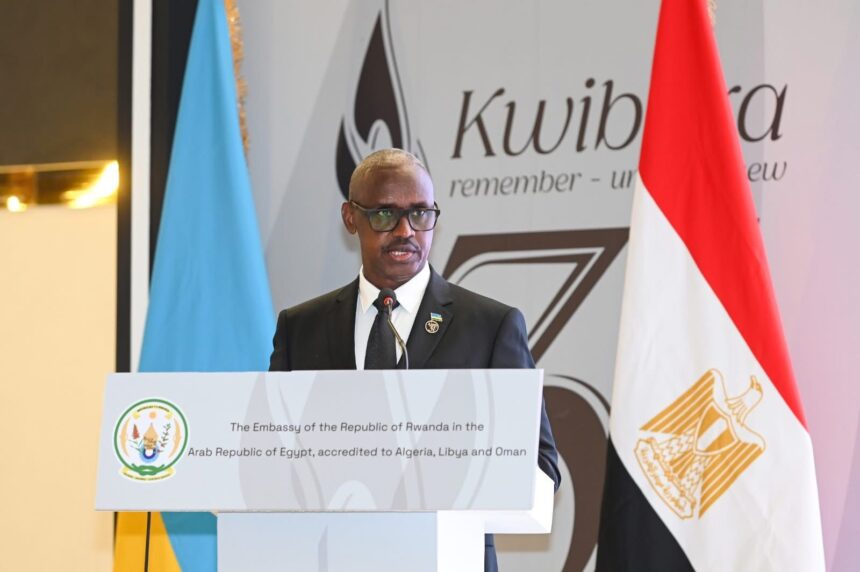
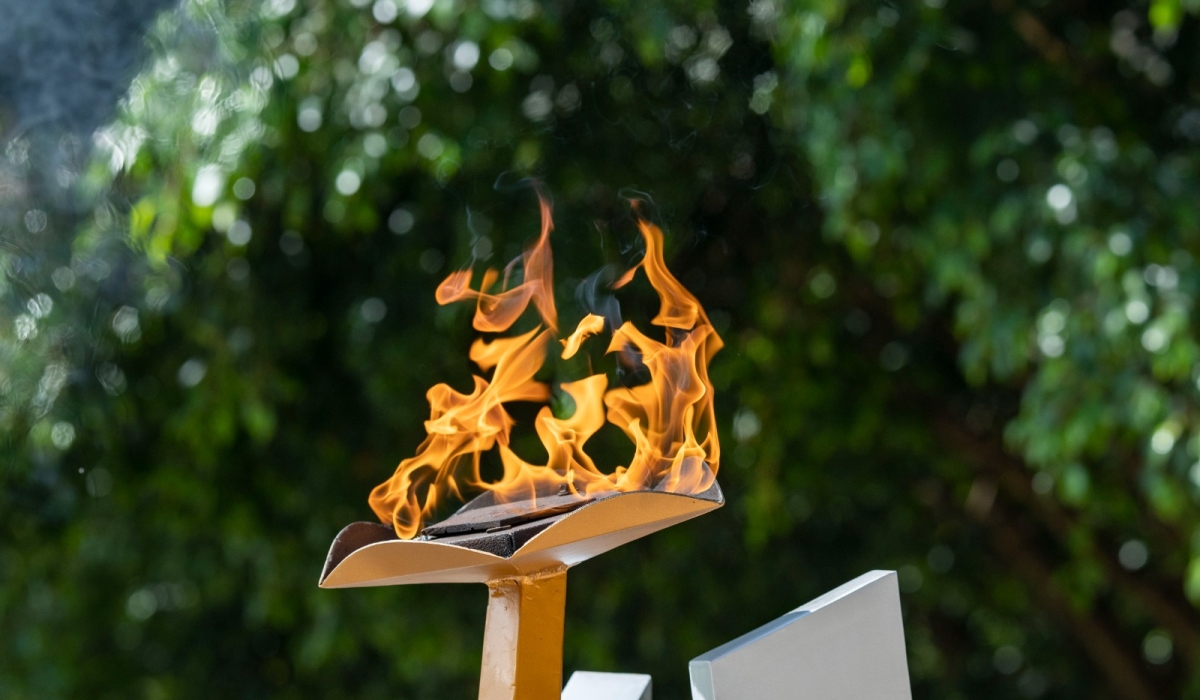
On April 7, Rwanda will mark 32 years since the Genocide against the Tutsi. “Kwibuka”, which means to remember, is an annual period of solemn reflection when we come together to honour the victims, unite in our collective grief and renew our commitment to continue to build a better future for all Rwandans.
As Rwanda and the global community mark Kwibuka 32, it is a moment not only for remembrance, but for reflection on the enduring lessons of one of the darkest chapters in human history.
Kwibuka, is more than a national observance. It is a solemn period dedicated to honoring over one million lives lost, supporting survivors, and reaffirming a collective commitment to “Never Again.” While deeply rooted in Rwanda’s history, the significance of Kwibuka extends far beyond its borders.
For Egypt, a country with a long-standing role in regional stability and diplomacy, Kwibuka 32 presents an important opportunity to reflect on the dangers of division, hate speech, and extremist ideologies. In an increasingly interconnected world, the spread of genocide ideology and misinformation is not confined to one region. It is a shared global concern that requires vigilance, education, and collective responsibility.
The 1994 Genocide against the Tutsi did not happen overnight. It was the result of years of propaganda, dehumanization, and the normalization of hatred. The international community’s failure to act in time remains a stark reminder of the consequences of indifference. Today, as societies grapple with rising polarization and the rapid spread of harmful narratives through digital platforms, the lessons of Rwanda are more relevant than ever.
Egypt, as a cultural and intellectual hub in Africa and the Middle East, plays a critical role in shaping discourse and promoting values of tolerance and coexistence. By engaging with the message of Kwibuka32, institutions, media, and civil society can contribute to raising awareness about the early warning signs of mass atrocities and the importance of prevention.
Education remains one of the most powerful tools in this effort. Teaching younger generations about the causes and consequences of genocide fosters critical thinking and resilience against manipulation. It also builds empathy and a deeper understanding of shared humanity—values that are essential in preventing future atrocities.
Furthermore, Kwibuka32 underscores the importance of unity and reconciliation. Rwanda’s journey of rebuilding and healing offers a powerful example of what is possible when a nation confronts its past with honesty and determination. It is a testament to the strength of human resilience and the possibility of renewal even after profound tragedy.
Kwibuka32 is a call to remember, to learn, and to act.
CG Dan Munyuza is the Rwandan Ambassador to Egypt


