

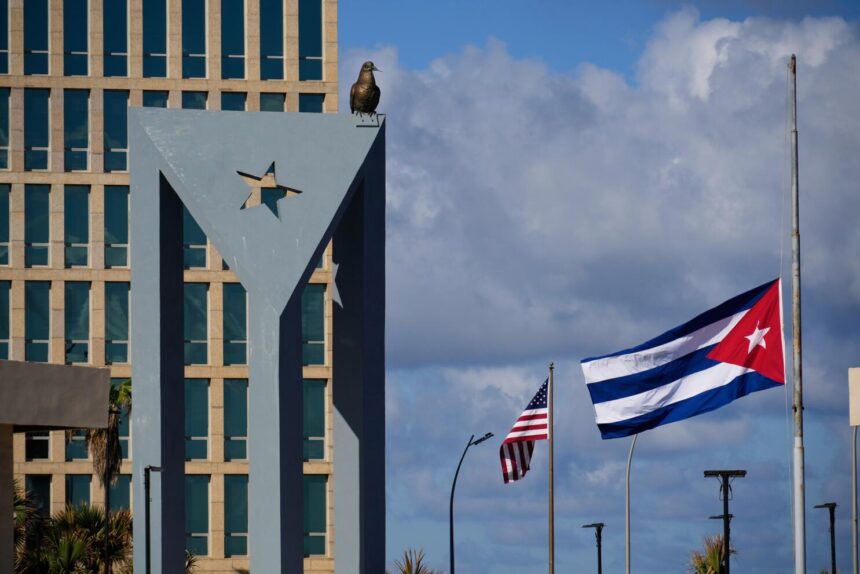
For the third time in a single month, Cuba went dark. On Saturday, a cascade failure originating at the Nuevitas thermoelectric plant in Camagüey province sent a shockwave through the island’s fragile grid, plunging every province into blackout and forcing hospitals to cancel surgical operations. Refrigerators stopped. Cooking became impossible. Vital water systems fell back on emergency generating units hastily activated by the Ministry of Energy and Mines, which called them “micro-islands” in the darkness.
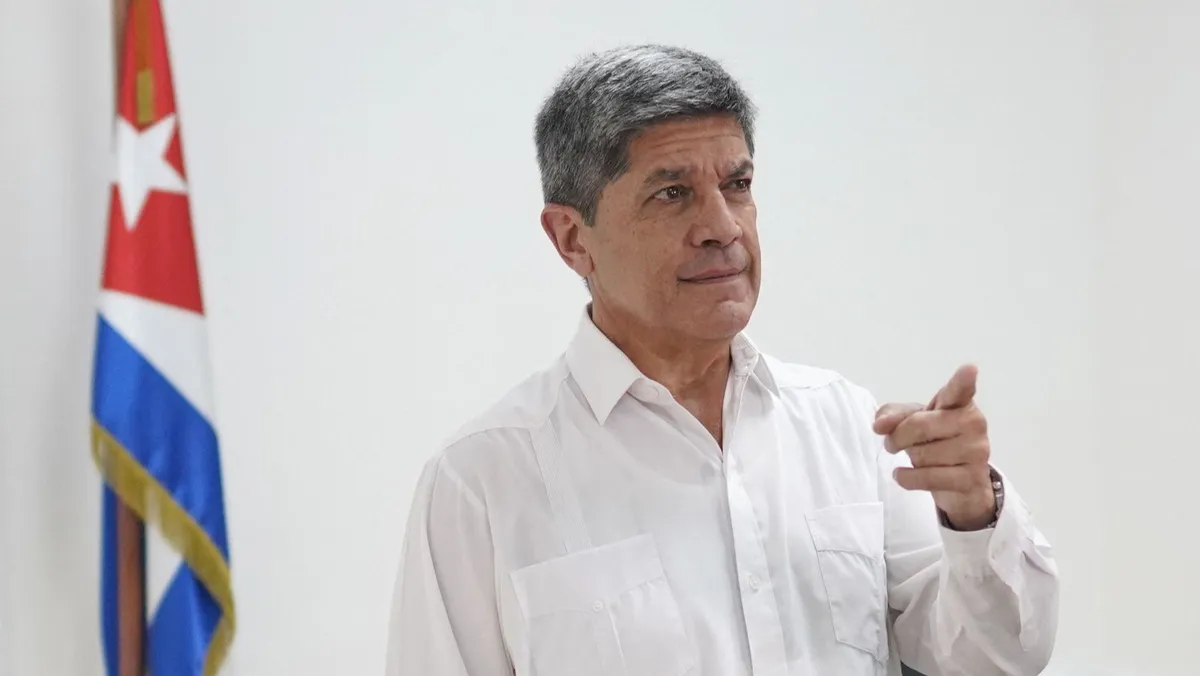
It was, by the time it happened, almost routine. Cuba’s electricity grid has collapsed nationwide three times in March alone, twice in the past week. But the context in which Saturday’s outage occurred was anything but ordinary. On the same day, Cuba’s Deputy Foreign Minister Carlos Fernández de Cossío told NBC News that his country was prepared for what he called “the low probability of a military confrontation” with the United States — a contingency he said Havana could not afford to ignore given the escalating threats of President Donald Trump, who has spoken openly of seizing the Caribbean island and replacing its government. At the intersection of crumbling infrastructure, a suffocating oil blockade, and the most direct American military rhetoric aimed at Cuba in decades, a crisis is deepening on an island that produces barely 40 per cent of the fuel its economy requires.
That is the “Why now” of Cuba’s current predicament: a confluence of deliberate external pressure and systemic domestic decay that has left the country more exposed and more defiant than at any point since the Cold War standoffs of the 1960s.
Defiant in Havana: ‘We Will Not Be Naive’
Fernández de Cossío chose his words with the careful precision of a diplomat who understands that every syllable will be parsed in Washington. Speaking to NBC News in an interview broadcast on Sunday, he acknowledged that Havana views the prospect of direct military conflict with the United States as unlikely — but categorically refused to treat it as unthinkable.
“Our country has historically been prepared for nationwide mobilisation to confront any military aggression,” he said. “We do not believe this is something probable, but we would be naive if we did not prepare.”
The deputy minister was equally direct about the limits of any negotiations with Washington. Regime change, he said, was “definitely not on the table” in talks between the two governments held earlier this month. “We see no reason for it to happen, nor do we find any justification for it whatsoever,” he added — a public rebuttal of reports that the Trump administration is actively seeking to remove President Miguel Díaz-Canel from power.
Trump’s Ambitions: From Tariff Threats to ‘Taking’ Cuba
Trump declared last Monday that he expected to have the “honour” of taking Cuba. On Tuesday, he went further, pledging “imminent action” against Cuba’s socialist government, including installing new leadership. Secretary of State Marco Rubio, whose family heritage is Cuban, has been among the most vocal advocates. “Cuba’s economy is not working andits government is unable to fix it,” Rubio said. “So they have to change things fundamentally.”
The practical instrument of that pressure is oil. In January, the day after imposing sanctions on Venezuela — a move that severed Havana’s most reliable source of fuel imports — Trump warned of tariffs against any country that sells or provides oil to Cuba. According to President Díaz-Canel, Cuba has not received a single oil shipment from any foreign supplier in three months. The consequences are visible in every darkened street, every cancelled operation, every hour spent waiting for the power to return.
The Grid in Freefall: A Nation Running on Empty
Saturday’s outage followed a now-familiar script. The Cuban Electric Union confirmed the cause as an unexpected failure at a generating unit in the Nuevitas thermoelectric plant in Camagüey province. “From that moment, a cascading effect occurred in the machines that were online,” the Ministry of Energy and Mines reported.
Cuba’s electricity infrastructure was built largely in the Soviet era and has received insufficient investment for decades.Power cuts have become a feature of daily life over the past two years, compounded by scheduled outages of up to 12 hours imposed to manage chronic fuel deficits. The cumulative human toll is significant: working hours are reduced; food spoils as refrigeration fails; and hospitals have been forced to cancel surgical procedures.
The Geopolitics of Darkness: Blockade, Regime Change, and the ‘Friendly Takeover’
The Cuban government has consistently framed the electricity crisis in geopolitical terms, arguing that the United States is using energy as a weapon of coercion. Trump has also floated the concept of a “friendly takeover” of Cuba — a phrase that, in Havana, has been received as anything but friendly.
Venezuela’s role in this equation is central. For much of the past two decades, Caracas provided Havana with subsidised oil under preferential agreements. The removal of Venezuela’s government has closed that pipeline definitively, leaving Cuba without its primary energy patron at precisely the moment that American pressure on alternative suppliers has intensified.
An Island Waiting in the Dark
On Saturday night, as Cuba’s engineers worked to restore power, the Cuban Electric Union offered the kind of dry, technical explanation that has become grimly familiar: a generating unit failed, a cascade followed, micro-islands were activated, restoration was under way.
But the macro-island — Cuba itself — remains in a precarious equilibrium between an American administration that speaks openly of taking it over, and a government that insists, with the careful confidence of a country that has survived six decades of US hostility, that it is prepared for whatever comes next.
“We would be naive if we did not prepare,” Fernández de Cossío said. In Havana, the lights went out again on Saturday. They have said the same thing before — and the lights have always, eventually, come back on.
