


Prime Minister Mostafa Madbouly said on Monday that Egypt is finalising a legislative framework to protect children from harmful social media content, which will include a mandate for digital platforms to maintain local legal representatives to be held accountable for violations.
Speaking at a meeting in the New Administrative Capital, Madbouly stated that the move follows directives from President Abdel Fattah al-Sisi to study and implement laws that curb the negative impact of social media and electronic games on the nation’s youth.
“The state is working toward an integrated draft law that sets further controls for children’s use of social media applications and electronic games,” Madbouly said, adding that the government is coordinating with the House of Representatives to reach a final legislative formulation.
Khalid Abdel Ghafar, Deputy Prime Minister for Human Development and Minister of Health and Population, presented the proposed regulatory framework. He stated the plan includes a unified age classification system, mandatory parental controls, and “deterrent penalties” for platforms that fail to comply with Egyptian values and safety standards.
Abdel Ghafar noted that the strategy comprises immediate implementation tracks, including legislative amendments, integrated organisational structures, sustainable funding, and advanced technological solutions alongside a national awareness programme.
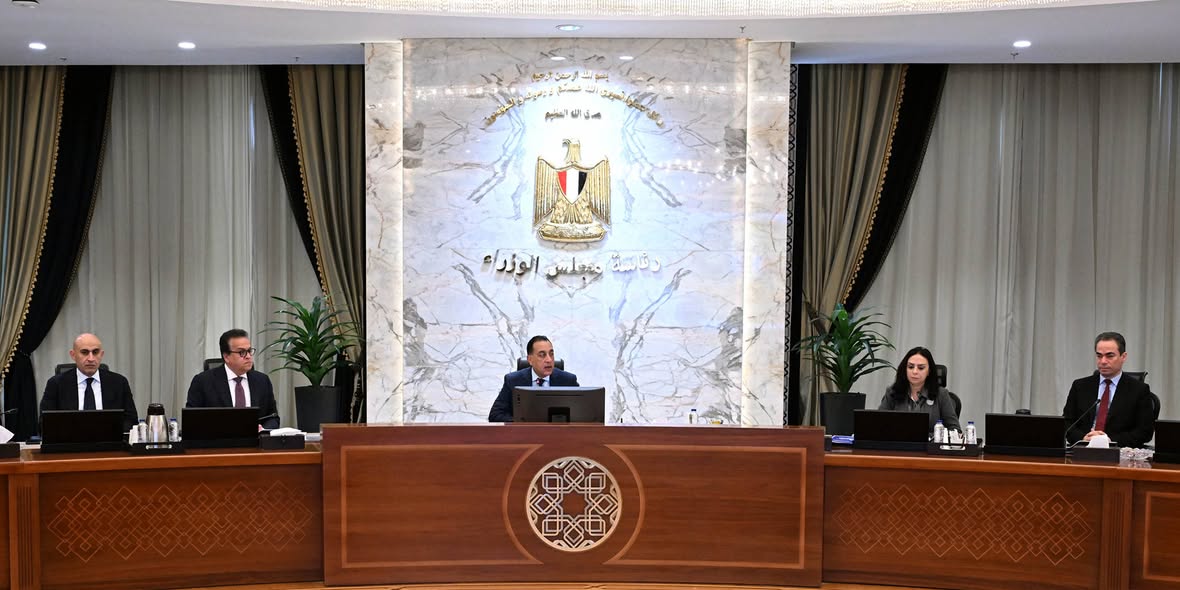
Minister of Social Solidarity Maya Morsy cited international benchmarks for the move, including OECD recommendations on protecting children in digital environments and International Telecommunication Union (ITU) principles. She highlighted that international laws prohibit the circulation of content that addresses a child’s “lower instincts” or encourages behaviour contrary to societal values.
Morsy detailed the physical, psychological, and behavioural risks posed by unsuitable digital applications, noting that international health organisations have tracked significant financial exploitation and risks to child safety. She proposed that proceeds from fines levied against non-compliant companies should be directed to the education and health sectors.
Wael Abdel Razek, Secretary-General of the National Council for Childhood and Motherhood, reported that a high percentage of reports received by the council involve the electronic blackmail of children. He emphasised that awareness remains a “decisive factor” in addressing the phenomenon.
Raafat Hindi, Deputy Minister of Communications and Information Technology for Infrastructure, stated that a committee established by the Prime Minister is currently coordinating with relevant authorities to propose the required legislation, focusing on both the legal framework and family-level protection tools.
The meeting concluded with an agreement to form a high-level national committee, comprising all relevant authorities, to draft a comprehensive national regulatory framework for digital platforms within a specified timeframe.
The session was attended by Minister of Education Mohamed Abdel Latif, National Media Authority Chairperson Ahmed al-Moslemani, National Telecommunications Regulatory Authority CEO Mohamed Shamroukh, and Supreme Council for Media Regulation Secretary-General Yasser al-Maabadi, among other officials.

