

Egypt’s private funeral and burial services sector is stepping in to address a growing challenge: an acute shortage of cemeteries in major urban centres.
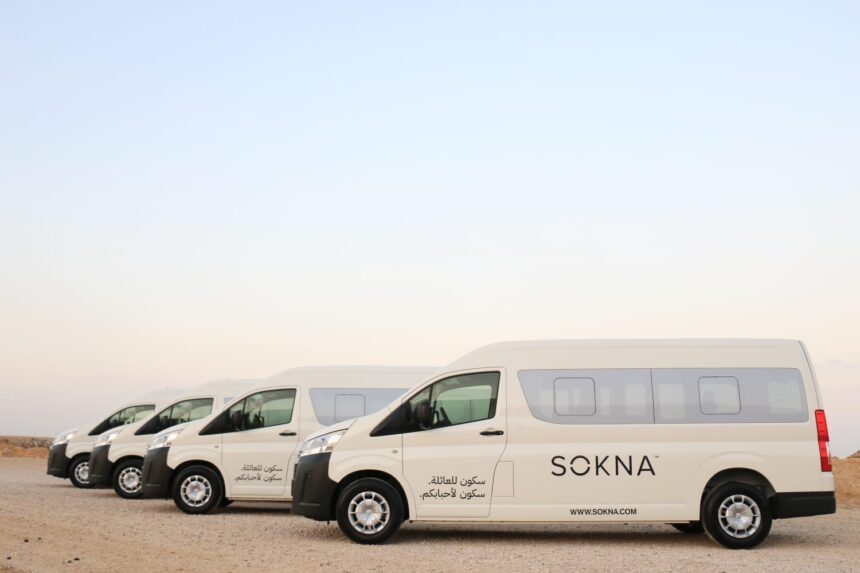
SOKNA, Egypt’s first company to provide organised funeral services, has announced plans to collaborate with the government to modernise the construction and management of cemeteries, offering families a more structured and dignified alternative.
Founded in 2019, SOKNA has established itself as a pioneer in funeral organisation, providing services designed to honour the deceased while easing the logistical and financial burden on families. The company said it has served more than one million clients in Egypt and abroad, achieving a customer satisfaction rate of 99.5%.
Rising demand
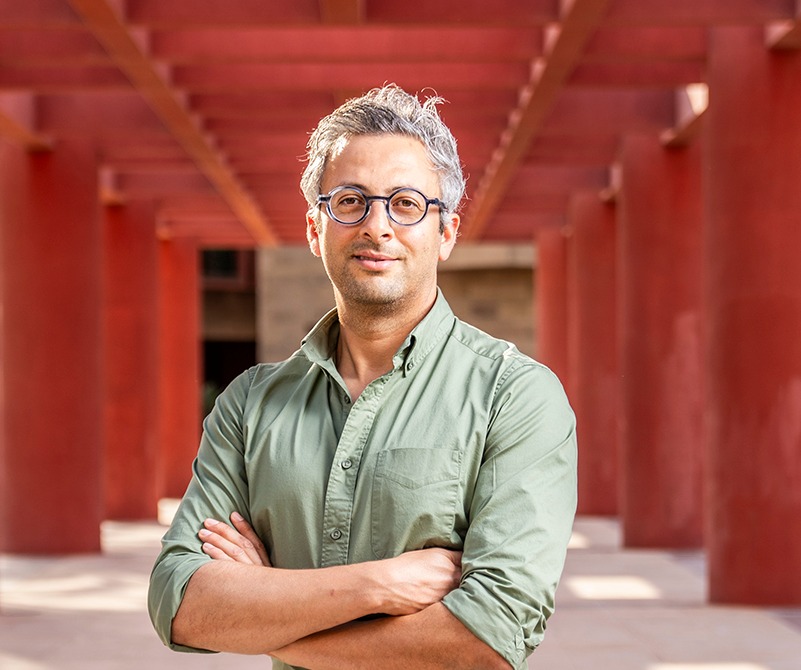
According to SOKNA founder and chief executive Ahmed Gaballah, Egypt faces a genuine shortage of burial spaces, driven by rapid population growth and the expansion of new urban communities that often lack nearby cemeteries. Many existing burial sites are outdated, some lack proper legal documentation, and there is no unified system governing cemetery management.
Gaballah noted that under Egypt’s Vision 2050, the population of Greater Cairo is expected to increase by 60% to around 38 million by 2050 compared with 2020 levels, sharply intensifying demand for burial land.
“The government is currently allocating about 10,000 acres for new cemeteries in east and west Greater Cairo,” he said, stressing that private-sector participation is essential to reduce pressure on the state and establish an organised, institutional framework for burial services.
Private-sector solutions
Gaballah said private involvement would not only improve management standards but also help regulate pricing. “At present, cemetery prices are set arbitrarily. Introducing private operators would allow for transparent pricing and healthy competition, giving citizens more choice at competitive rates,” he said.
SOKNA plans to address the shortage through three main initiatives: developing modern cemeteries in new cities in line with international standards; rehabilitating existing cemeteries; and providing public burial sites for low-income groups to ensure equitable access.
The company has positioned itself as a strategic partner in Egypt’s national cemetery development plan, bringing in investors with experience in urban development, construction and large-scale infrastructure projects to ensure financial sustainability and professional management.
Gaballah added that SOKNA’s operations have been carefully planned since its launch in 2019, covering everything from funeral organisation to the long-term development of burial services.
Global context
The global funeral industry was valued at $126bn in 2024 and is projected to reach $189bn by 2030, according to SOKNA’s research. The United States leads the sector with revenues of $39.9bn, followed by China at $24.4bn and Japan at $16.7bn.
In Egypt, the sector has reached a critical juncture as public cemeteries struggle to keep pace with population growth, increasing the importance of private initiatives such as SOKNA.
Gaballah concluded that the company aims to extend the structured, dignified approach it introduced to funeral services to cemetery management, helping to create a modern, transparent and humane system that supports Egypt’s development goals and meets the needs of its growing population.
