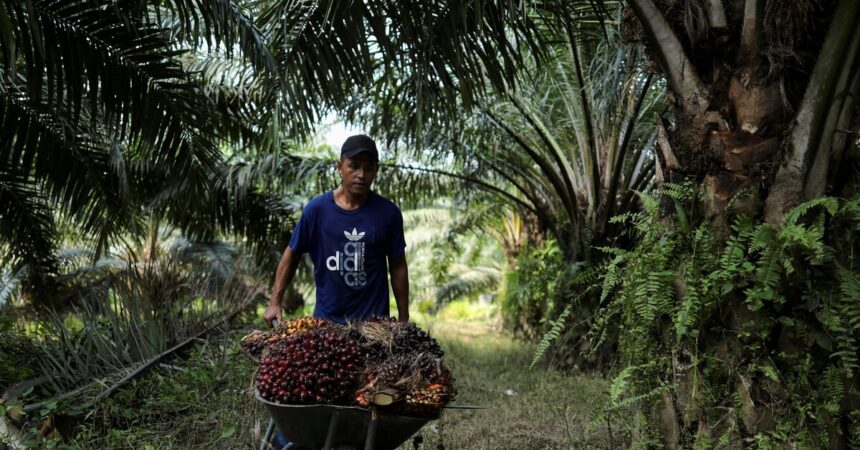
KUALA LUMPUR, Malaysia — The air inside the Kuala Lumpur Convention Centre was sterile and frigid, a stark, air-conditioned contrast to the humid embrace of the tropical outdoors. Inside, scientists in tailored suits debated lipid profiles and smoke points under fluorescent lights. Outside, just a few hours’ drive away, the subject of their debate—the oil palm tree—swayed in the thick afternoon heat, housing barn owls in its fronds and shading the muddy trails of pygmy elephants below.
To the Western consumer, palm oil is often a monolith: a controversial ingredient found in everything from lipstick to peanut butter, frequently cited as an environmental villain. But on the ground in Malaysia, the narrative fractures into something far more complex. It is a story of economic salvation for the rural poor, a high-stakes scientific endeavour to combat malnutrition, and an ambitious, sometimes messy, attempt to engineer a détente between industrial agriculture and the deep jungle.
Health & Nutrition: The Science of Red Palm Oil
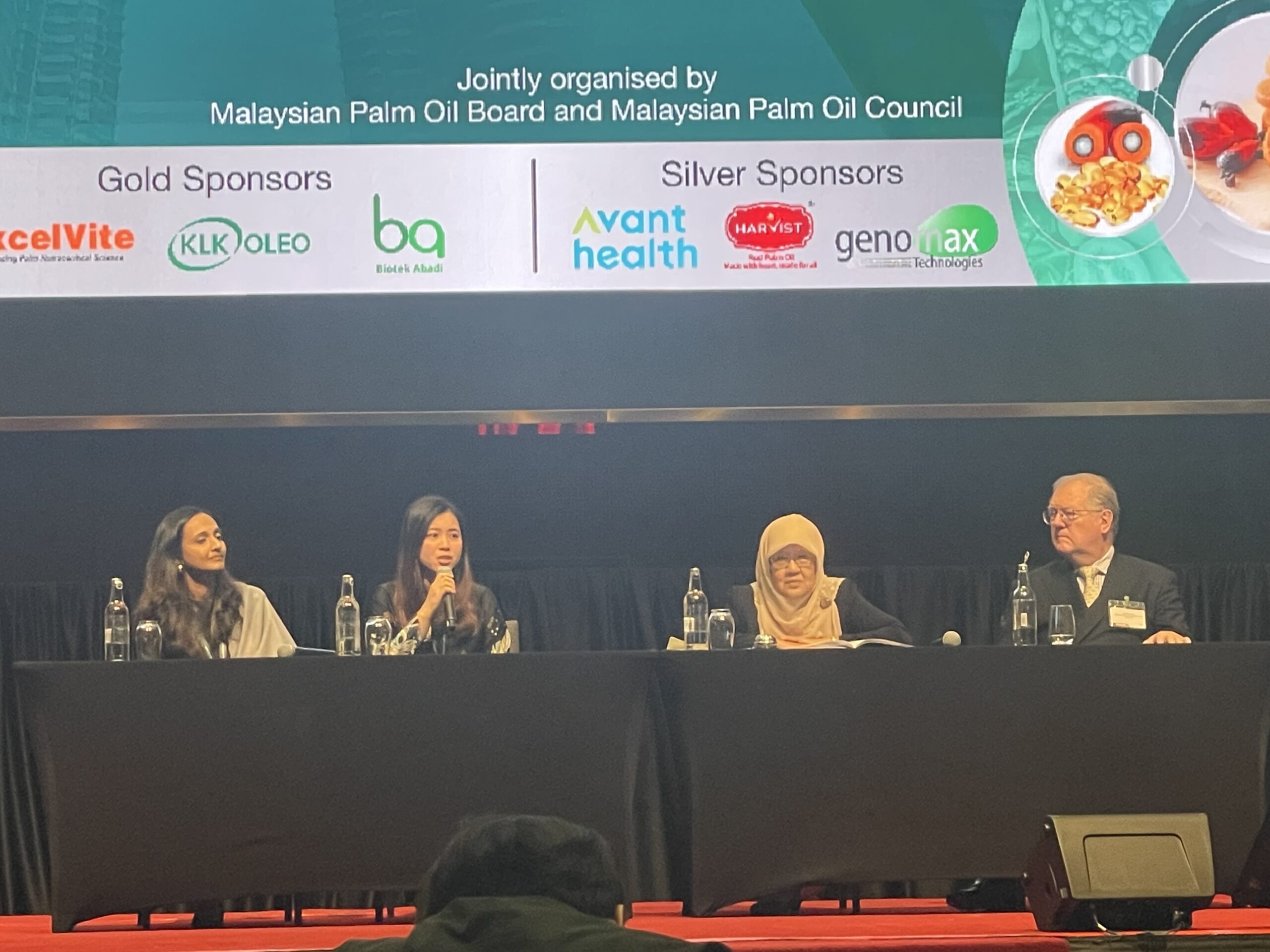
At the Nutrition Satellite Symposium, a prelude to the massive PIPOC 2025 conference, the atmosphere was less trade show and more academic tribunal. The goal, according to Ramle Moslim, the Deputy Director General of the Malaysian Palm Oil Board (MPOB), was to connect “policy, science, and real-world solutions”.
For decades, palm oil has battled a reputation battered by concerns over saturated fats. Yet, the data presented here wasdefinitely nuanced. One researcher presented a massive “umbrella review” that scrutinised data from 12 different global databases, analysing 48 articles and 266 distinct analyses to answer a singular question: Are all fats created equal?.
His conclusion challenged the binary of “good” versus “bad” fats. “Are all edible oils created equal? I think they’re not created equal… There is no one hero here,” he told the audience. While olive oil reigns supreme in salad dressings, the data showed it fails under high heat. Palm oil, stable and possessing a high smoke point, remains the workhorse of the global frying pan.
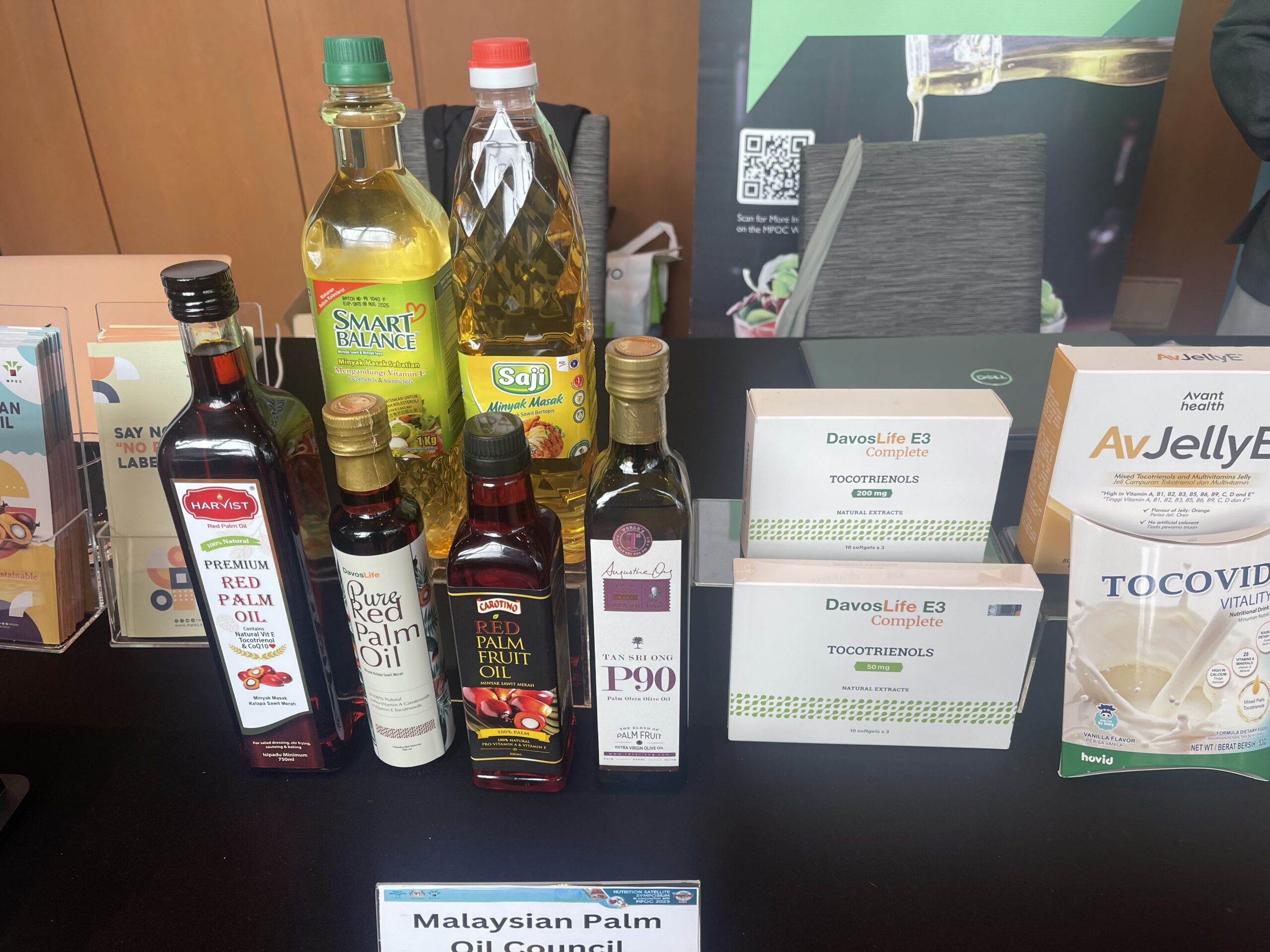
But for the scientists at the MPOB, the value of palm oil isn’t just about what it does in a fryer, but what it can do for a malnourished child. MPOB officials highlighted Red Palm Oil, a variant rich in provitamin A and carotenoids. In a world where Vitamin A deficiency causes blindness in developing nations, scientists here argued that high-tech solutions like genetically modified “Golden Rice” are unnecessary. “You don’t need GMO. You just need palm oil,” Moslim noted, pointing to the oil’s natural abundance of vitamins needed to combat malnutrition in Africa and rural Asia.
Economic Survival: Land for the Landless
Leaving the sterile graphs of the convention centre, the reality of the crop comes into focus in the rural heartlands managed by the Federal Land Development Authority, or FELDA.
Founded in 1956, just before Malaysia’s independence, FELDA was a radical social experiment built on a stirring, populist motto: “Land for the Landless, Job for the Jobless”. The government took the rural poor and gave them roughly four hectares of land to cultivate oil palm or rubber, along with a modest 0.1-hectare plot for a home.
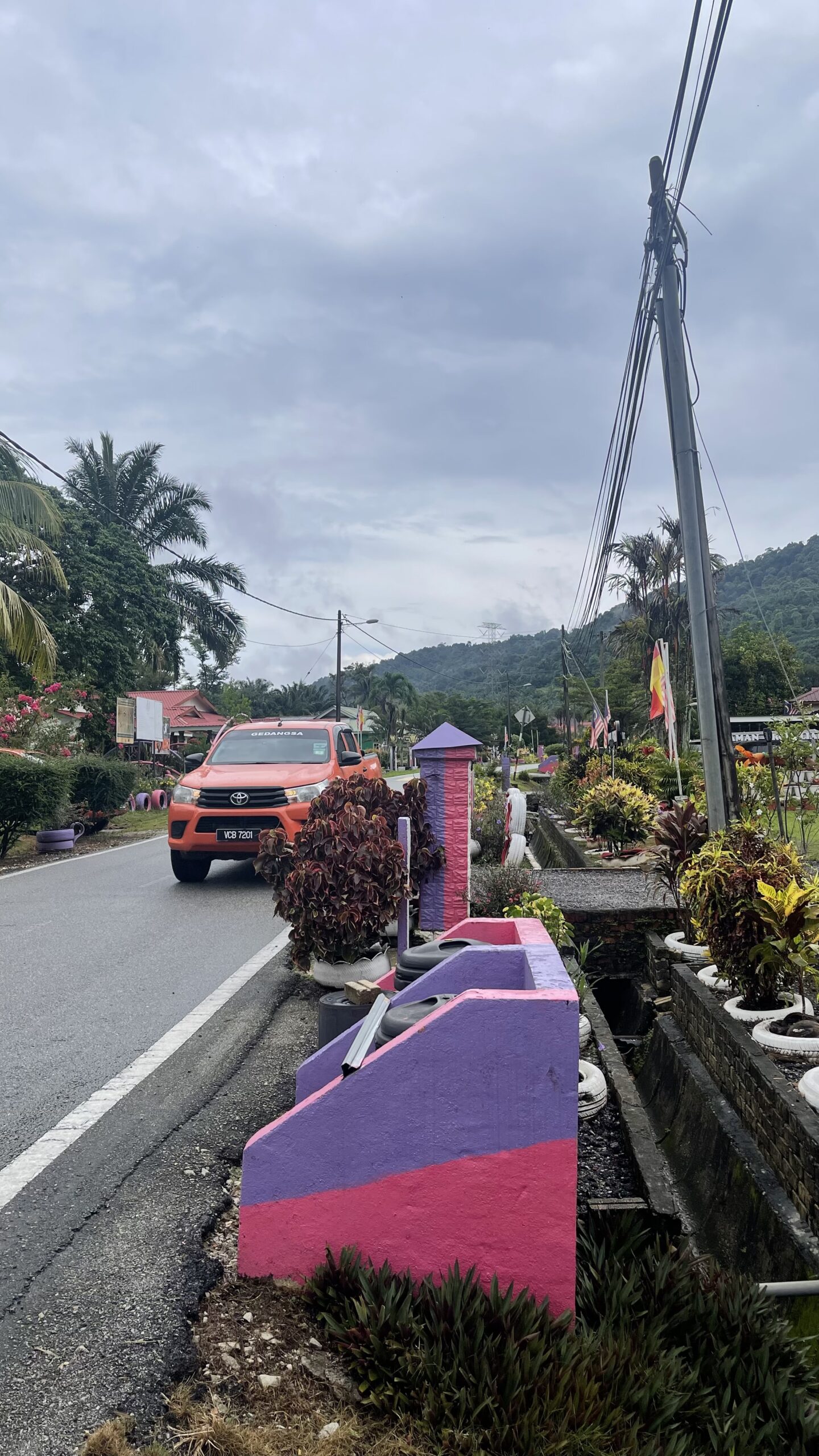
The transformation of these settlements is profound. In the archival photos shown to visitors, early settlers are seen clearing dense jungle, living in simple wooden shacks. Today, driving through settlements like the one in Pahang, thoseshacks have been replaced by modern, single-story cement homes.
For the 112,638 settler families, the crop is not an environmental statistic; it is a lifeline. “The oil palm gave us a life,” said one second-generation settler, reflecting on a trajectory that has seen monthly incomes rise to between RM1,500 and RM5,000 (roughly $325 to $1,082). This economic floor has fueled a massive generational shift: children who once walked muddy tracks to estate schools are now driving national cars to universities in Kuala Lumpur to become doctors, engineers, and professionals. Yet, a reverse migration is beginning, with younger settlers returning to the estates, armed with new technology and entrepreneurial ambitions.

Conservation in Action: Saving Malayan Tigers
Perhaps the most contentious aspect of the industry remains its environmental footprint. The narrative that plantations are biological deserts is one that the industry is fighting to rewrite through the Malaysian Palm Oil Green Conservation Foundation (MPOGCF).
The foundation’s work focuses on the “Other Malaysians”—the wildlife that persists in the margins of the estates.

The Tiger’s Second Chance
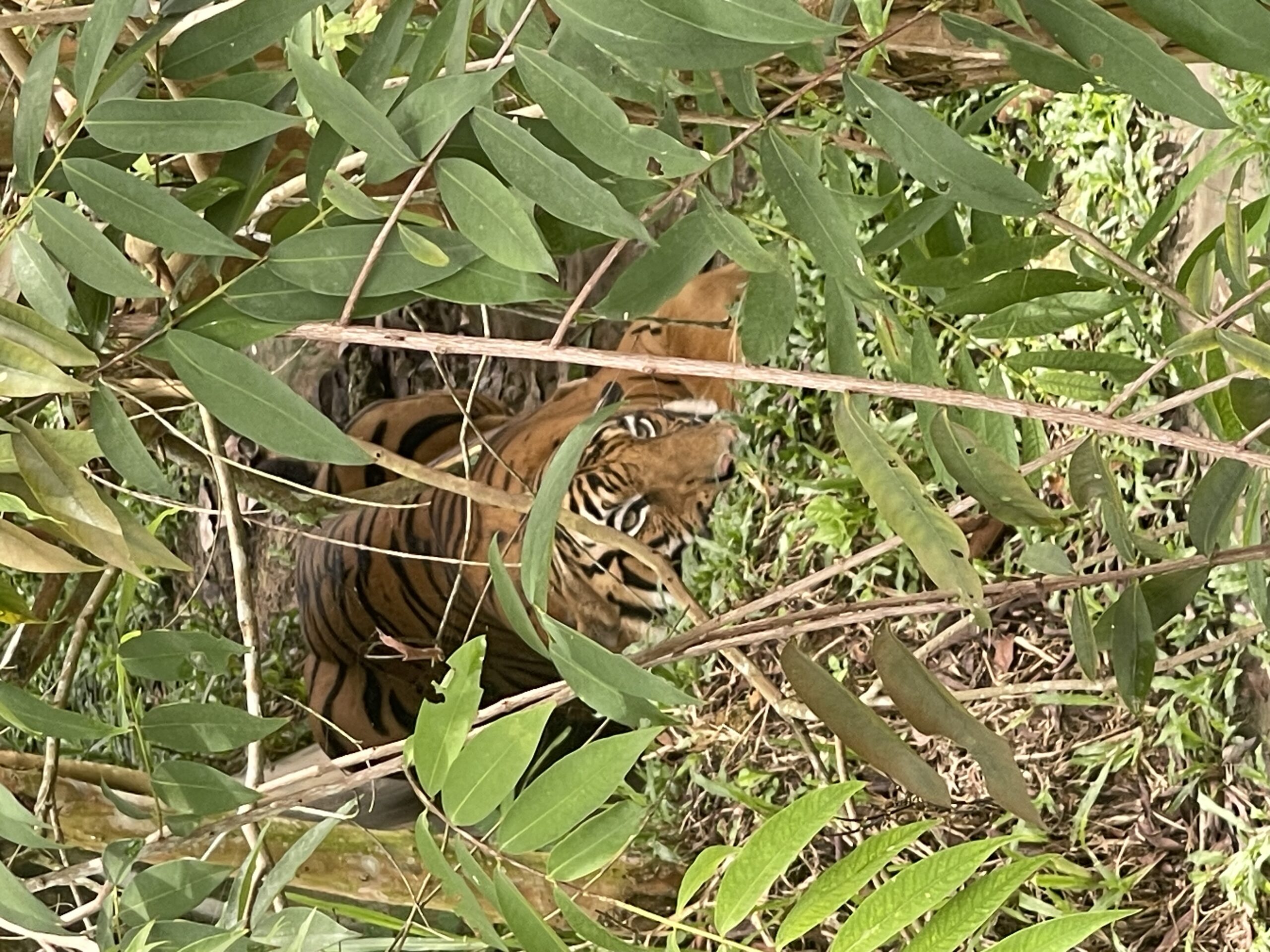
In a country whose national emblem features two tigers, the survival of the Malayan Tiger is a matter of national soul-searching. The MPOGCF has launched a comprehensive Malayan Tiger Conservation Programme that reads less like agriculture and more like a medical drama.
We learned about “ex-situ” conservation efforts, which focus on breeding tigers in captivity to bolster the population. This isn’t just about putting animals in cages; it involves high-tech reproductive hormone profiling, monitoring female tigers’ biological cycles to plan the perfect breeding windows. Scientists are even developing genome references to ensure genetic diversity and disease resilience in the captive population.
But the ultimate goal is the wild. The program includes a “rewilding” initiative where tiger cubs are trained to hunt and develop survival skills before being released back into the jungle. To ensure they have something to hunt, the foundation is also breeding and releasing prey species, like deer, into the forests to sustain the predators and reduce the likelihood of tigers straying into villages in search of food. Crucially, this expensive conservation work is largely funded by the industry itself—creating a direct link between the profitability of the oil and the funding available to protect the predator.
The Elephant’s Corridor
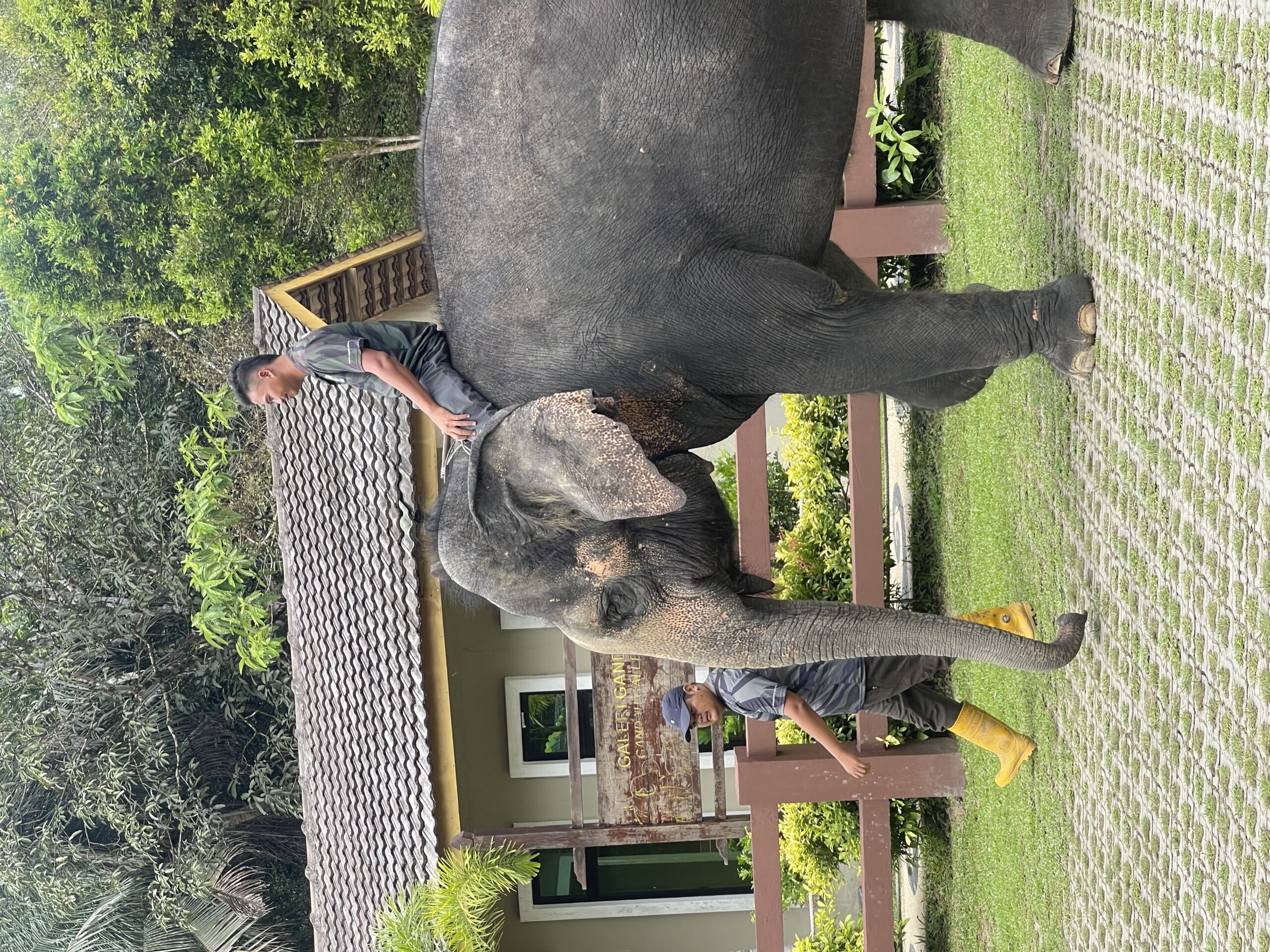
In areas like Kelantan and Sabah, habitat fragmentation has historically driven elephants into plantations, leading to conflict14. The industry’s solution is the “bio-corridor.”
In Sabah, sections of the landscape have been planted with Napier grass, a favourite snack for elephants. These green highways act as designated “food banks,” allowing the animals to traverse between forest reserves like Ulu Kalumpang and Ulu Segama without raiding crops or encountering humans.
Nature’s Pest Control
Even the pest control has gone organic. Rats are a plague in oil palm estates, gnawing at the valuable fruit bunches.Rather than drenching the soil in chemical rodenticides, farmers under the “Barn Owl for Smallholders Initiative” are installing nest boxes to attract Tyto alba javanica. A single family of these owls can consume thousands of rats a year, a solution that one farmer joked made the birds “our employees”.
The Verdict
Looking down at the mosaic of green from a flight out of Kuala Lumpur, the complexity of the situation feels heavy. Palm oil is not perfect; no monoculture is. But the industry visible from the ground is not the simple caricature often drawn by its critics.
It is an industry of scientists attempting to solve malnutrition with Red Palm Oil. It is the economic bedrock for over 100,000 families who climbed out of poverty on the back of these trees. And, increasingly, it is a sector realising—perhaps under the intense glare of global scrutiny—that its survival depends on a fragile, engineered coexistence with the tigers, elephants, and owls that still call this land home.